Research: Food price inflation to hit European wallets by year end

Europe is likely to face a new round of food price inflation toward year-end, driven mainly by a prolonged period of high energy prices.
According to a new RaboResearch report, the recent surge in energy costs stemming from escalating geopolitical tensions in the Middle East will ripple through the highly energy-dependent food supply chain.
This will in turn affect production, packaging, logistics, and agricultural inputs.
Although consumers may not experience the full effects immediately, food price inflation is expected to build throughout 2026 and intensify in 2027.
Geopolitical conflict and higher energy prices
Energy markets have been shaken since the initial attack on Iran five weeks ago.
The conflict has severely disrupted shipping through the Strait of Hormuz, a critical route for global oil and liquified natural gas (LNG) flows.
As a result, Brent crude prices have risen by 61% and TTF gas prices by 68% compared to pre-war levels, according to the RaboResearch report.
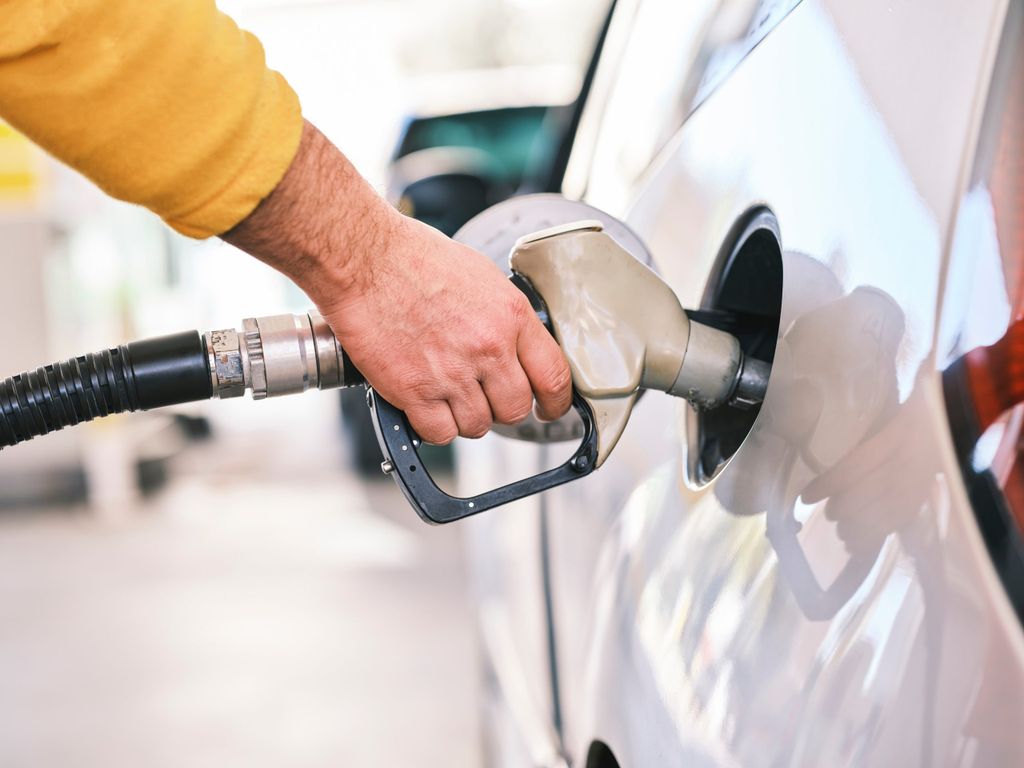
Fuel prices at the pump have also jumped sharply.
RaboResearch’s baseline scenario assumes the war will continue until mid-April, followed by a gradual reopening of the Strait of Hormuz.
Even then, energy prices are expected to stay elevated: oil above US$100 per barrel and gas at €60 to €65 per MWh in the coming months, according to the research.
Prices should ease in the summer, but 2027 forecasts project numbers well above pre-crisis levels, with Brent around US$83 and TTF gas at €42.
Food prices
The food sector is one of the most energy intensive industries.
Core activities, such as cooling, heating, milling, transport, packaging, and the production of agricultural inputs, depend heavily on electricity and fuel.
While many companies learned from the 2022 energy crisis and improved risk management strategies, they cannot fully shield themselves from sustained price increases, according to RaboResearch.
Energy inputs often occur early in the value chain, and forward contracts or inventories delay the pass-through, meaning that today’s energy shock will influence costs with a lag of several months.
Inflation
Because food manufacturers and retailers in most of Europe typically negotiate prices annually, most companies cannot immediately pass current peak energy prices through to customers.
However, the expectation of structurally higher costs are expected to dominate end-of-year negotiations for 2027.
With energy accounting for 5% to 50% of food producers’ cost structures, the industry cannot absorb these rises internally.
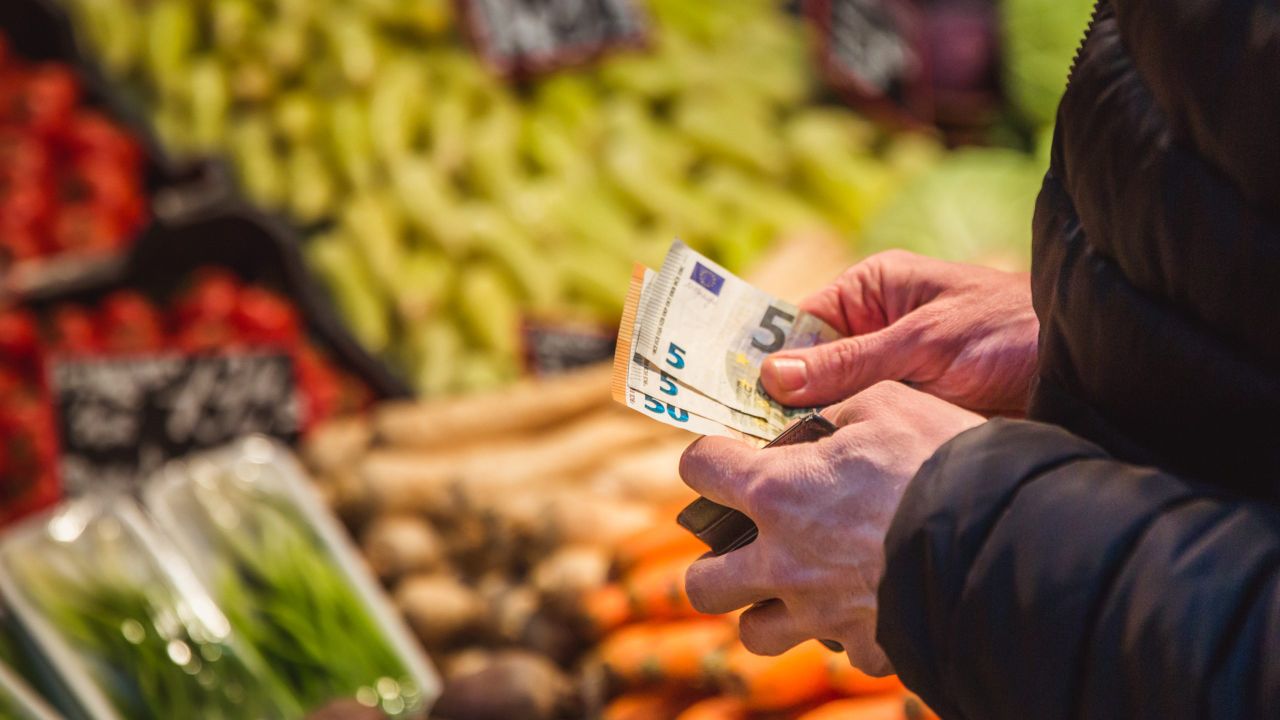
Consumer food prices in Europe are already 33% higher than they were in early 2021, but there is more to come, according to this latest report.
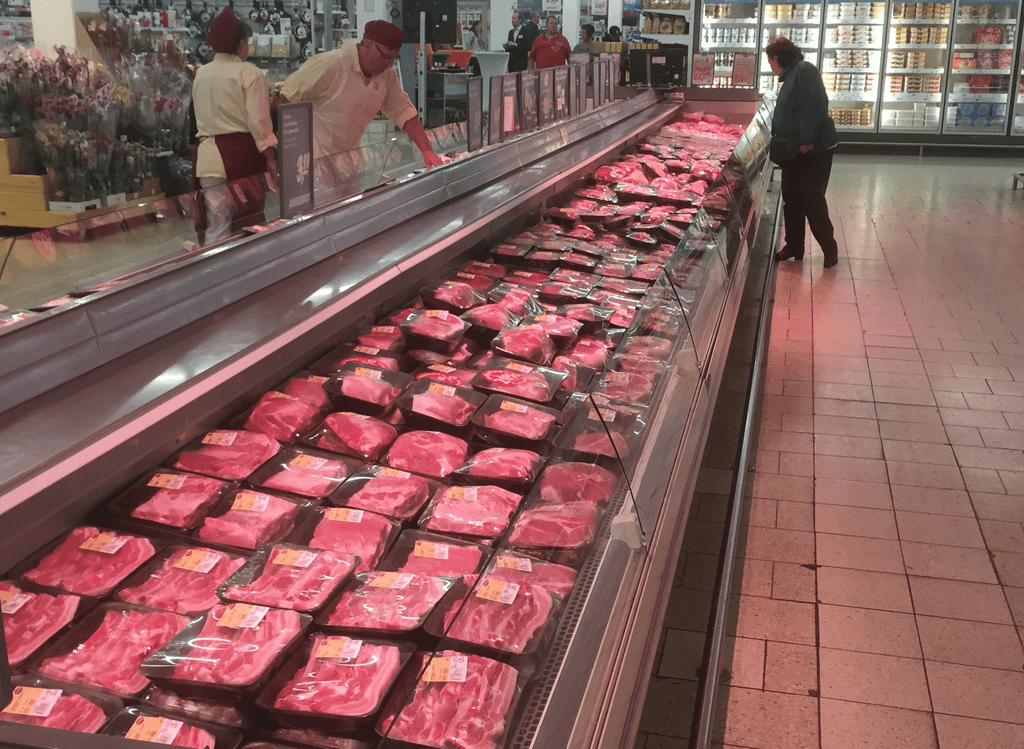
Research shows a 50% increase in gas prices results in roughly 10% higher food prices after two years.
Under its current baseline scenario, RaboResearch expects at least 5% to 10% food inflation in 2027.
In a more severe energy scenario, food price inflation could easily be pushed above 10%.
Rising diesel prices – up more than 30% since the start of the war – are likely already being passed through to consumer prices due to fuel-indexed logistics contracts.
Consumer response and market outlook
Consumers have already spent three years trading down to manage grocery bills, shifting to private label products and cheaper proteins, the research indicated.
EU supermarket volumes in early 2024 were 6.6% below 2019 levels.
Foodservice has also struggled, as higher menu prices and rising household costs reduce discretionary spending.
With little room left for further trading down, another wave of inflation may lead consumers to simply buy less or dine out less frequently.
This puts retailers and foodservice operators in a difficult position – squeezed between rising input costs and increasingly cautious consumers – setting the stage for especially challenging price negotiations in the coming months.