Opinion: Heydon must outline Irish agriculture needs as EU presidency nears
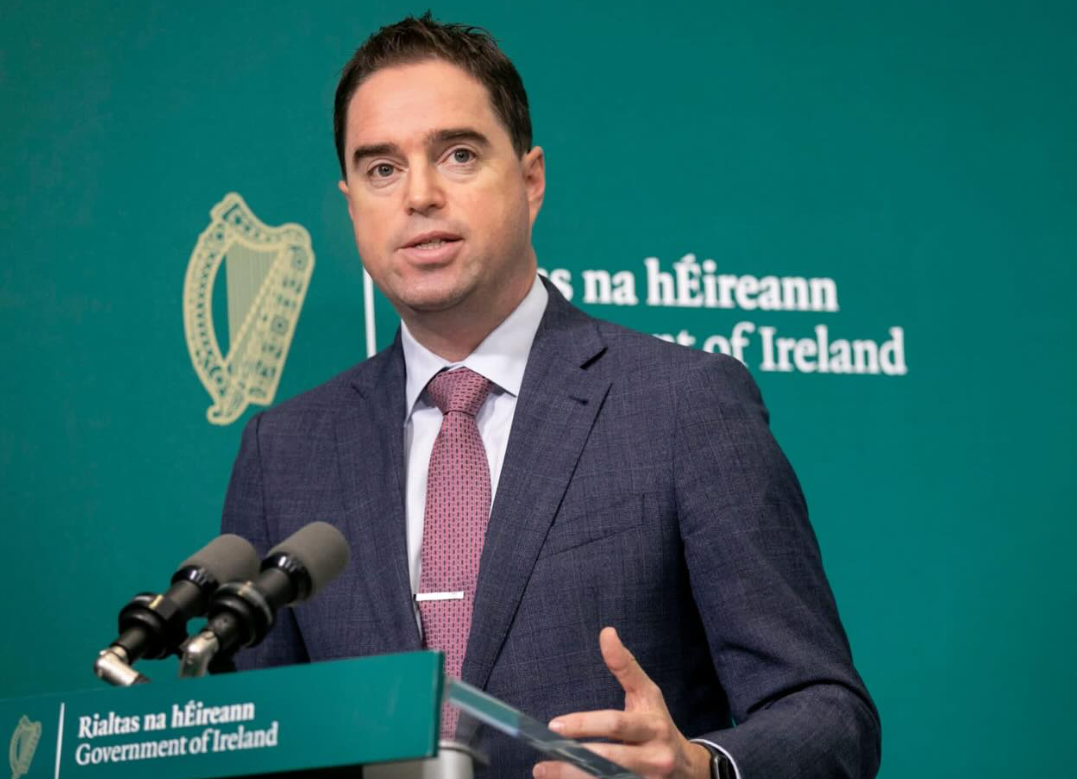
Minister of Agriculture, Food and the Marine Martin Heydon, will soon have an opportunity to put the needs of Irish agriculture centre stage.
It comes via Ireland’s forthcoming six-month presidency of the European Union.
The Co. Kildare TD will never have a better opportunity to secure a sustainable future for Irish agriculture.
At the big picture level, the EU presidency will provide Minister Heydon with the leverage to profile the scope and potential that encapsulates Ireland’s farming and food sectors.
And this must be set in the context of what’s happening right now at an international level.
Food security
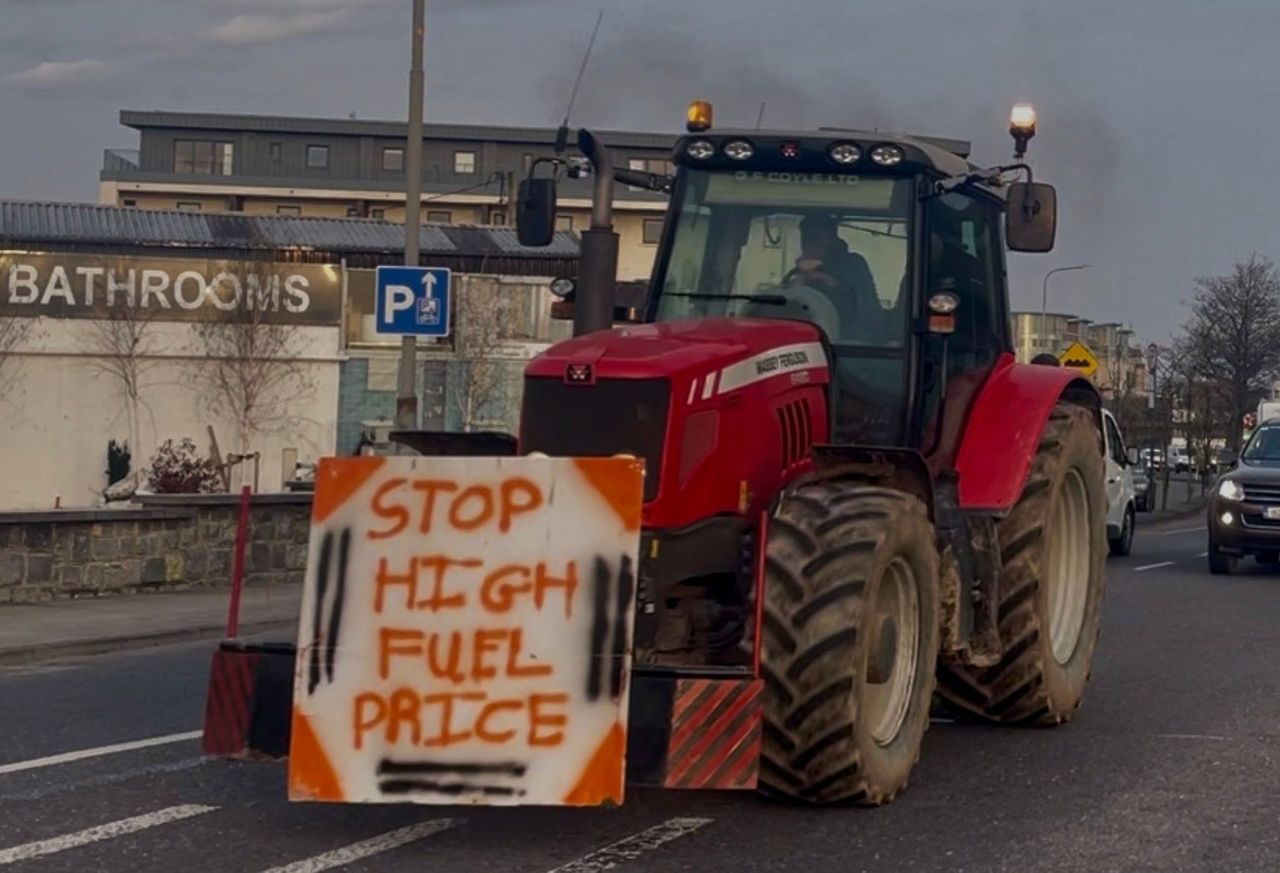
The ongoing conflict in the Persian Gulf has put the focus on the world’s future energy and food needs.
The Strait of Hormuz represents that key bottleneck through which such a significant proportion of the world’s energy and fertiliser must travel to get to markets throughout Europe and beyond.
Governments around the world are already talking about the world facing into the most significant energy and food supply crisis in its history.
As a consequence, food inflation is forecast to reach 11% before the end of 2026.
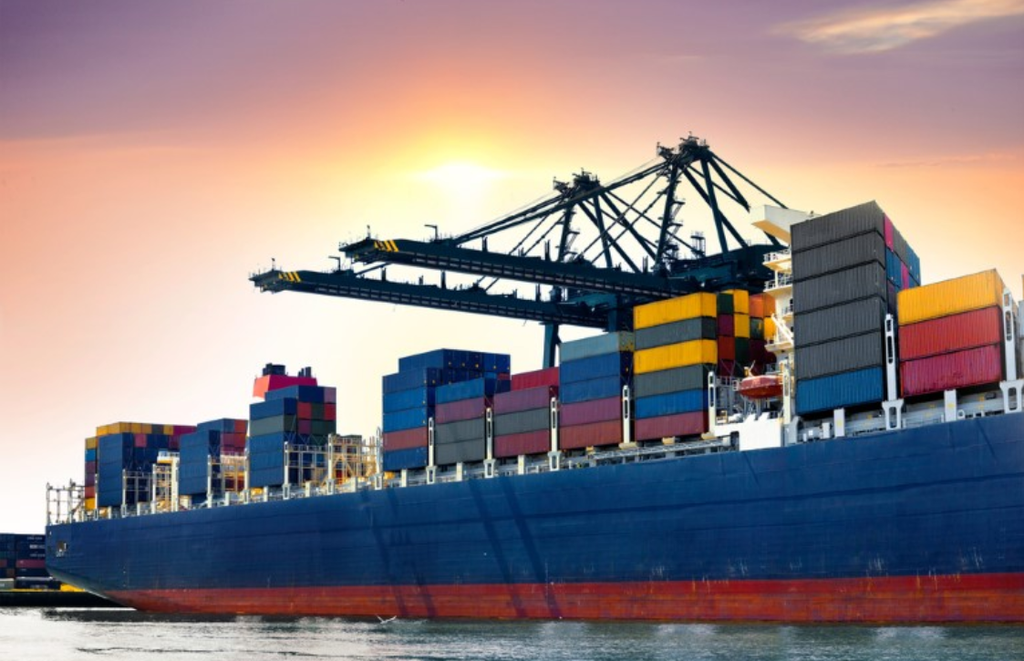
And this figure is based on hostilities ending right now. The longer the war continues, the greater the presumed impact on global energy and food supplies will become.
So, food and energy security are about to become two of the most important political issues that will feature at an international level over the coming years.
In theory, this could be very good news for Irish agriculture, provided the industry can access the support it requires to make this happen.
CAP review
Significantly, Ireland’s presidency of the EU coincides with the final negotiations required to get the next review of the Common Agricultural Policy (CAP) over the line.
The reality is that the principles defined by the European Commission at the outset of this process are now redundant due to the focus on food and energy security.
So, surely, there is an opportunity for the agriculture minister to call these matters out and prescribe a new beginning to the CAP review process - one that puts food security at the top of the EU’s pecking order of priorities.
And, what’s more, all of this can be achieved in a wholly sustainable manner.
In truth, the days of tinkering around the edges of CAP are over.
What is really required is a new statement of intent from the EU: one that puts farming and food centre stage in terms of Europe’s thinking, in tandem with a realistic support budget for agriculture that can make this happen.