International grain markets may start to strengthen 'if planets align'

There is a growing train of thought to the effect that international grain markets could start to take off over the coming month or so.
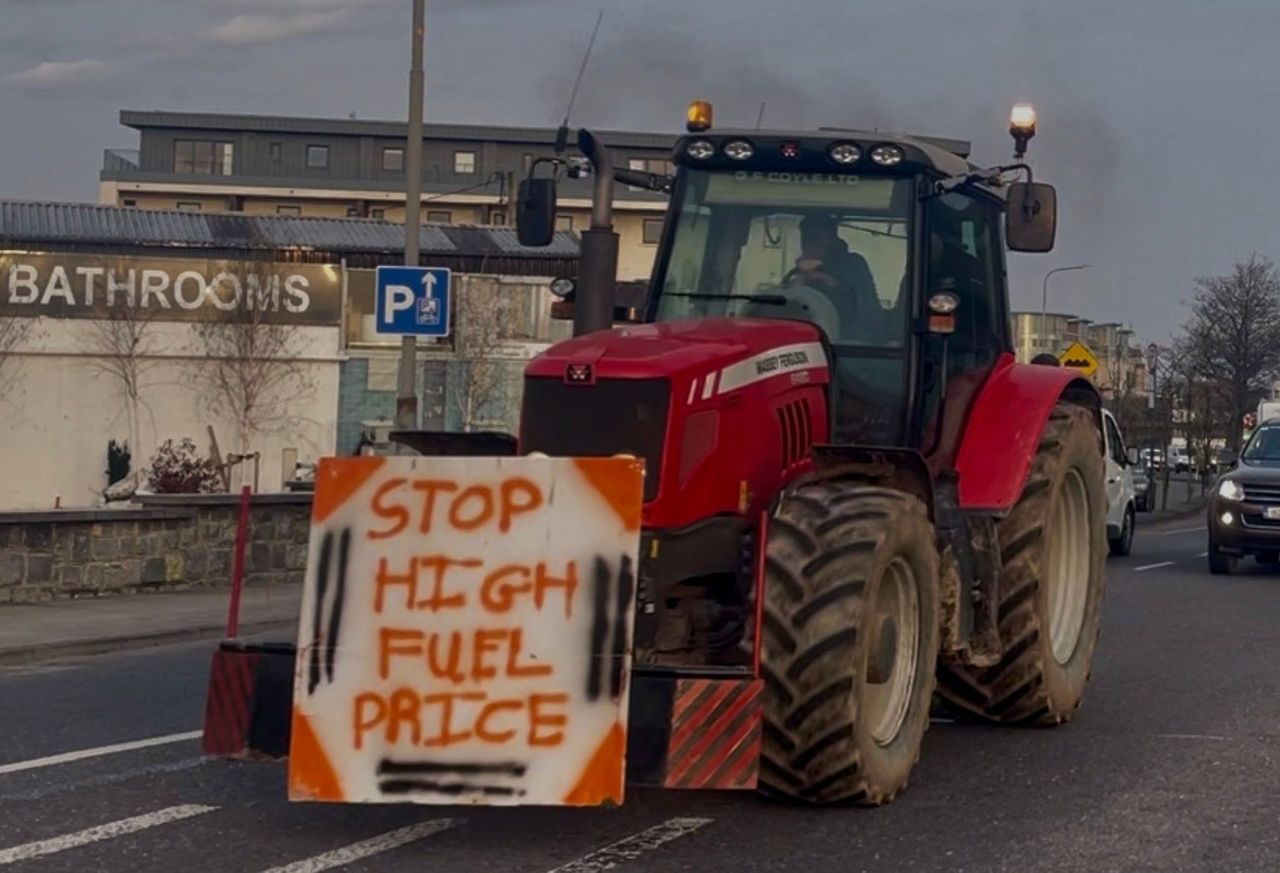
Factors coming into play are the impact of increased fertiliser and energy prices in tandem with growing market nervousness.
Teagasc tillage specialist, Shay Phelan commented: “It will be interesting to see how grain markets react over the coming weeks.
“If the planets align, we could see grain prices start to strengthen. But I wouldn’t want to bet the mortgage on it.
“The other issue relates to the possible timing of such developments relative to the start of Ireland’s 2026 cereal harvest.”
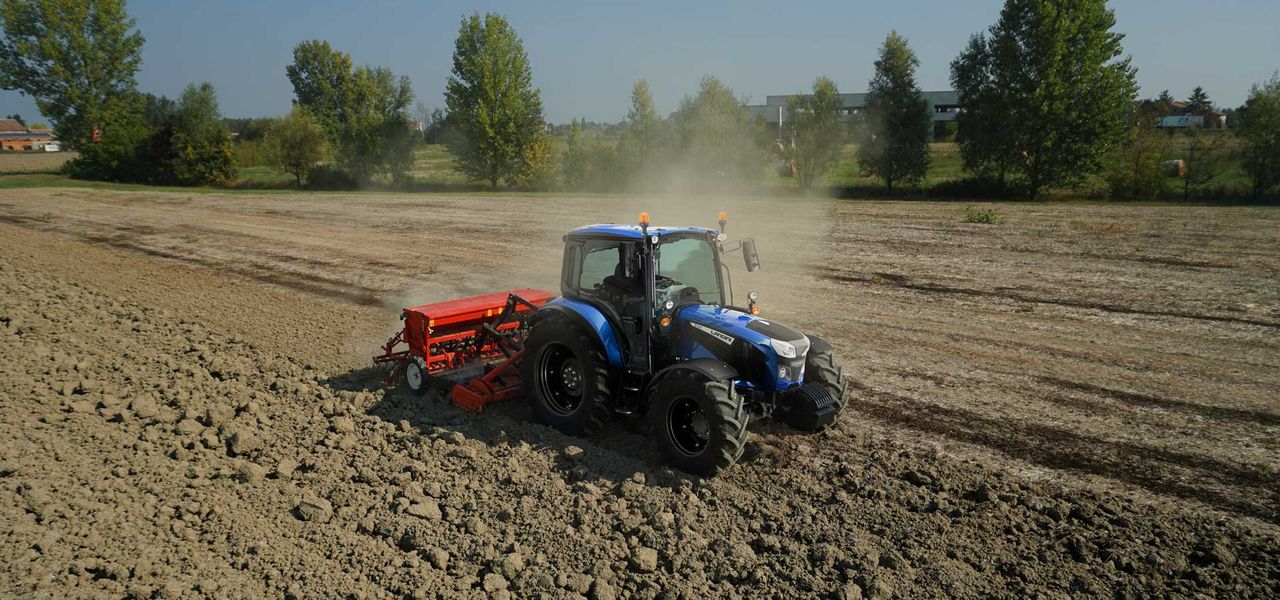
Meanwhile, field work continues apace, reflecting the drying conditions now impacting across the country.
“Planting should only be undertaken when ground conditions suit," Phelan said.
"The pecking order of planting priorities is: spring beans, spring oats, spring wheat and spring barley.
“The need to drill crops into good seed beds cannot be over-estimated.
"If this is not achieved and a period of very dry weather follows shortly after planting, yields will be badly impacted.
“We saw this scenario play out last year.”
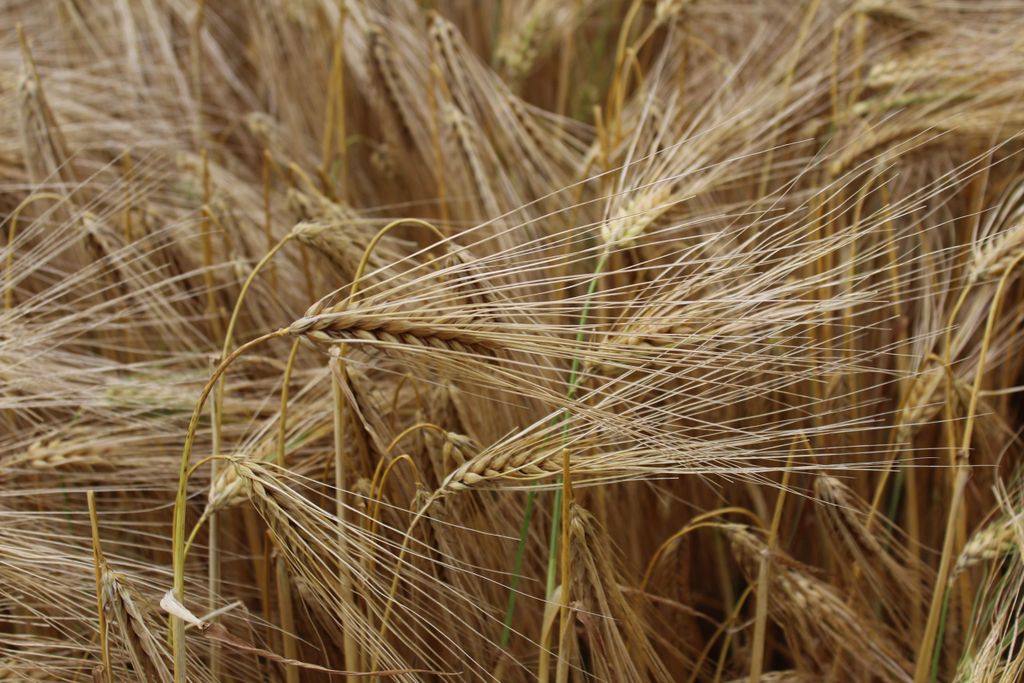
Turning to other field work priorities, the Teagasc representative confirmed that winter barley crops should receive their last split of nitrogen.
He added: “Now is the time to apply a plant growth regulator while also sorting out any wild oat issues.
“Winter wheat crops should receive their main split of nitrogen now.
There has also been confirmation of yellow rust in wheat crops growing in the North Dublin area.
“A suitable fungicide mix should be applied to all crops where a potential yellow rust problem exists without delay.”
Next week will see Teagasc kicking off a series of spring crops walks at venues across the country.
Potato crops
Turning to potatoes, Phelan confirmed that a two tier market now exists.
“There is a growing supermarket demand for high quality produce that will sell in a 2½kg clear plastic bag," he explained.
“However, potatoes that are only suited to the 7½kg pack trade are being significantly discounted.”
Meanwhile, very few early potato crops have been planted out.
“And this is likely to remain the case,” Phelan stressed.
“The weather conditions did not permit potato planting of any significant nature earlier in the season.
“What we are likely to see unfolding is the scenario of last year’s main crop overhanging the market through until June or July.”