Opinion: Spring 2026 is in the air at last

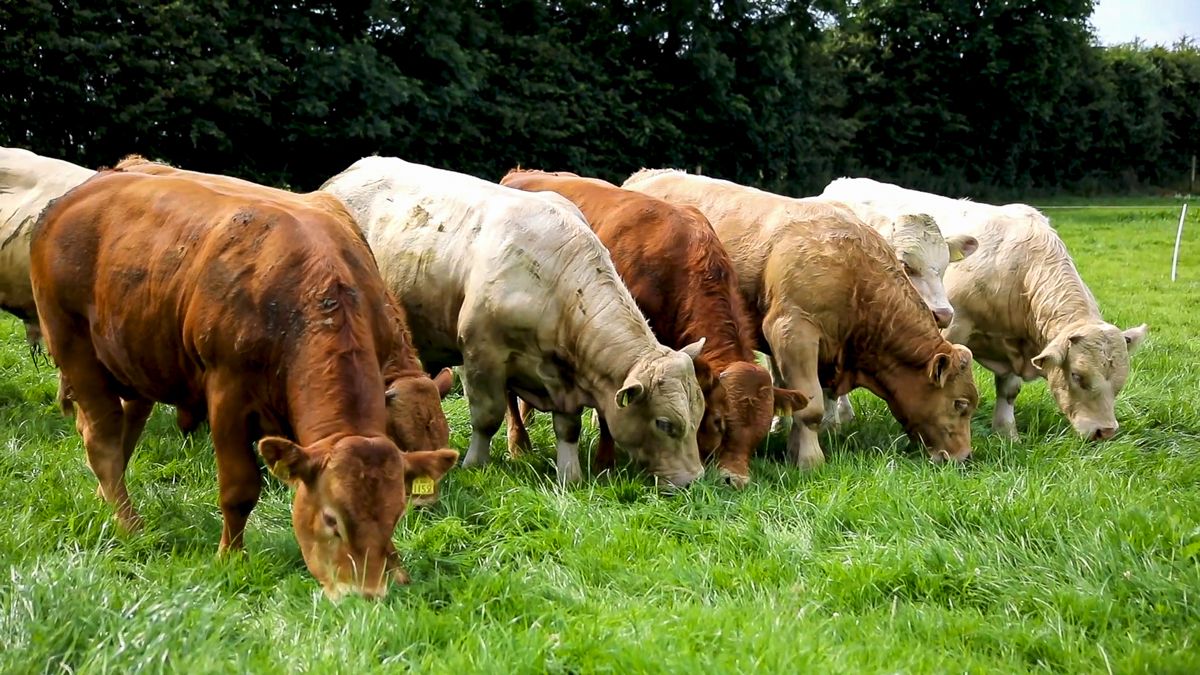
What a transformation a week’s good weather can bring about: spring 2026 has sprung in all its glory at long last.
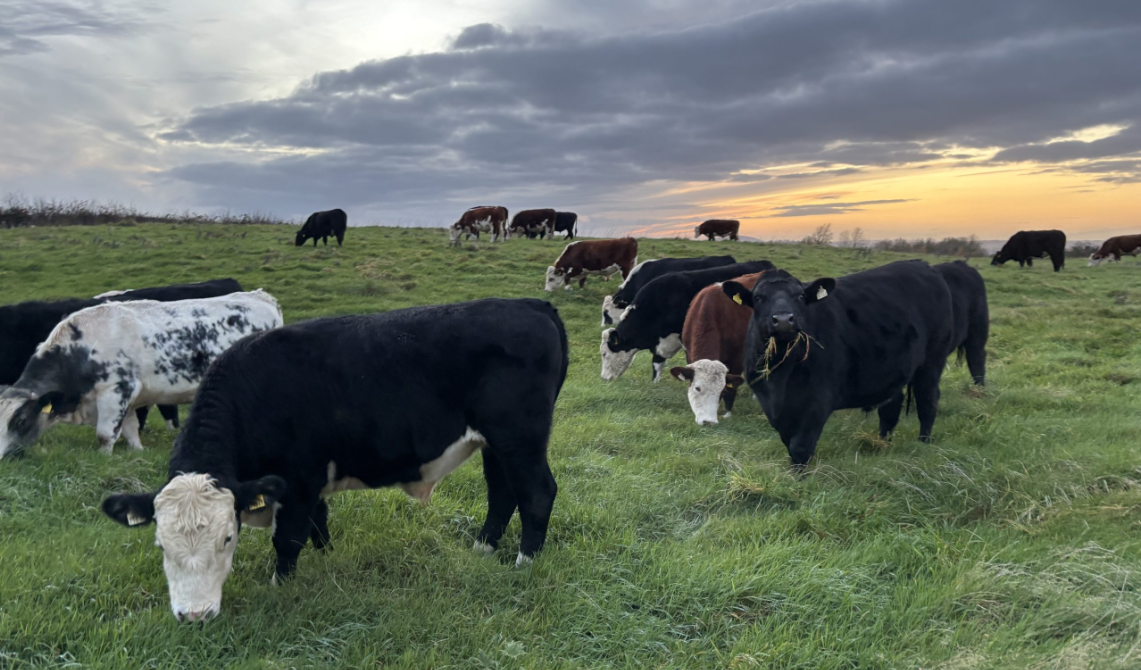
Temperatures are rising, grass is growing and cattle are back out in the fields.
It all seems like an idyllic scenario. But perceptions can be deceiving.
A few good days of weather do not compensate for the extreme concern facing farm businesses across Ireland at the present time.
Front and centre within this maelstrom of anxiety is the impact of the ongoing conflict in the Persian Gulf.
Strait of Hormuz
The leaders of Iran have now found out that they can control the all-important Strait of Hormuz, essentially, without firing a shot. So, that puts the authorities in Tehran firmly in the box seat when it comes to controlling the flow of ships through what is an extremely narrow channel.
And, yes, these same people may well come to some form of deal with the US over the coming weeks.
However, one can be sure that Iran will want to lever the optimal economic advantage it can when it comes to the future management of what is their ‘ace in the pack’.
In other words, Tehran will want to impose significant tolls on all shipping travelling from the Persian Gulf to the Gulf of Oman.

The end result of this scenario is an immediate end to supplies of relatively cheap oil, petrol, diesel, fertiliser and myriad other farm inputs.
Or put another way: the days of farmers - both here and abroad – producing cheap food are over.
And the quicker that governments around the world makes consumers aware of this salutary fact the better.
Farm cash flow
So yes, issues emanating from the Middle East conflict will be having a major impact on local agriculture long into the future.
Meanwhile, cash flow problems are fast building up on many Irish farms.
Dairy and beef prices have been reducing for the past number of months. But now we have the additional cost pressures coming on farm businesses.
Fuel and fertiliser prices have already risen strongly in the wake of the conflict in the Middle East.
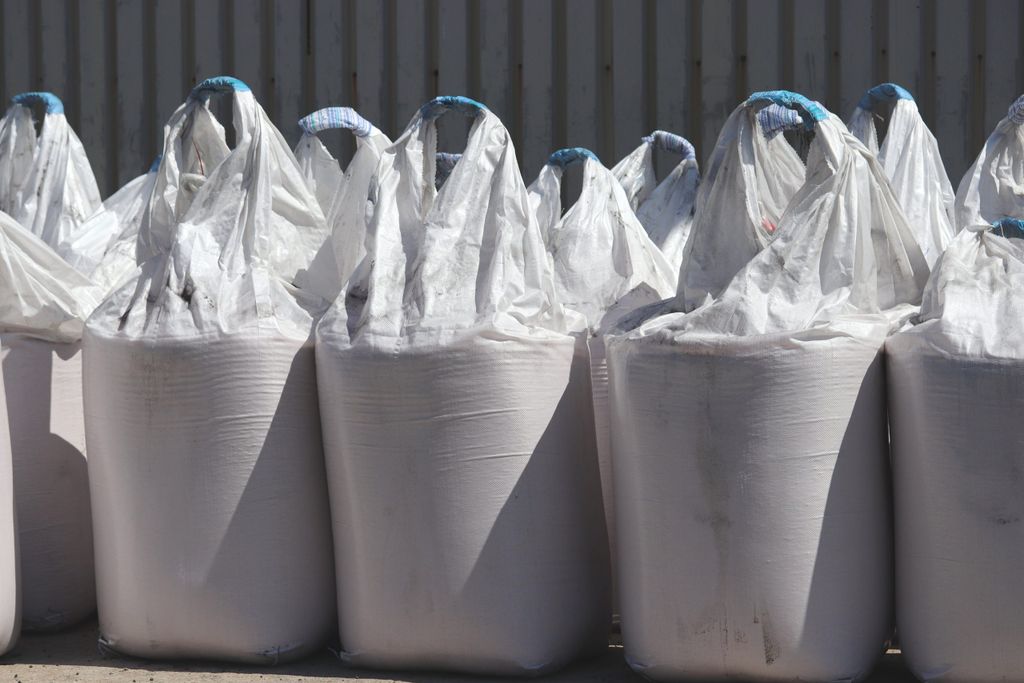
Of course, it is important that merchants and other farm input suppliers are paid on a timely basis.
Moreover, there is now every prospect that compound feed prices will start to strengthen over the coming weeks.
Up to now, relatively cheap feed costs had been cushioning the blow of reductions in dairy and beef prices. However, this may no longer be the case as farmers seek to manage their businesses through increasingly turbulent economic times.
So it all adds up to a scenario within which cash flow management will need to be prioritised within all farm businesses. And, in this context, cost management becomes extremely important.
It would be really interesting to hear what the Irish banks make of all this.