'No shortage of Irish cereals available for feed'- tillage group

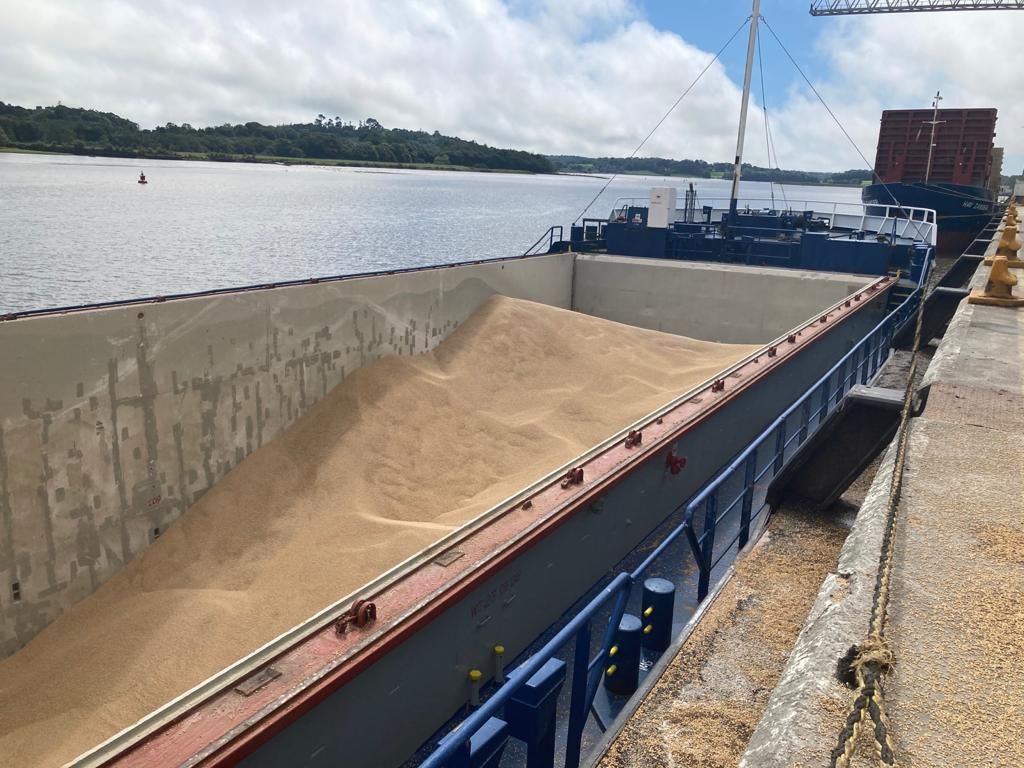
The Irish Grain Growers’ Group (IGGG) today (Thursday, April 9) said there is "round-the-clock" availability of high quality, native cereals.
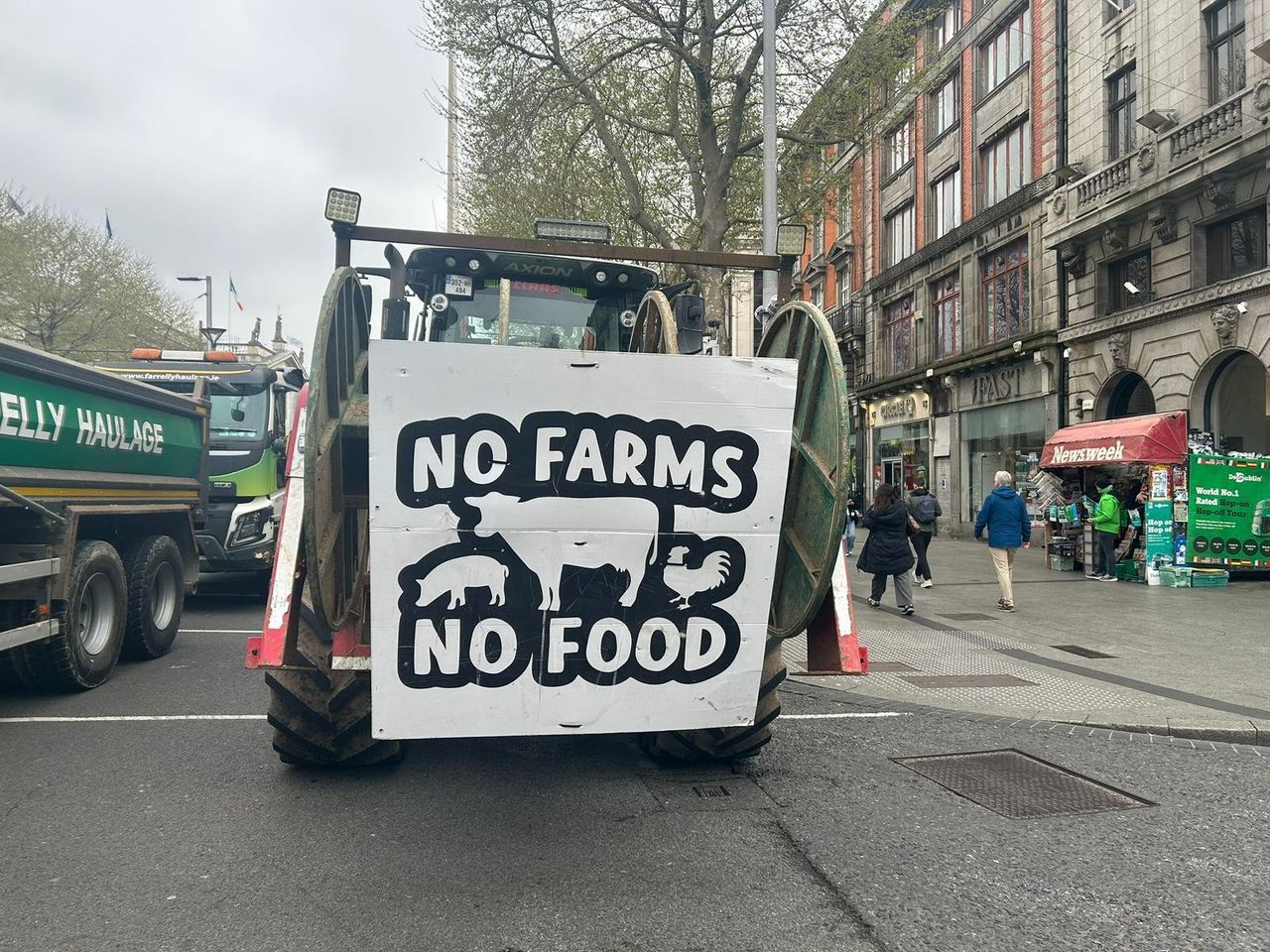
The organisation believes there is no need for any feed mills to reduce compounding operations because of ongoing fuel price protests at ports which have affected the supply of raw materials.
IGGG secretary Clive Carter said: “Stores on farms around the country are full of quality assured native grains.
“There is absolutely no shortage of Irish cereals available for feed compounding purposes at the present time.
“The fact that we saw one mill revert to reduced working schedules in response to a single day’s port blockade highlights a fundamental flaw in the approach that has been taken by the compound feed sector - their almost total reliance on imported grains.”
Cereals
According to Carter the current situation underlines "a bigger issue at play here" in relation to Irish cereals.
"Ireland’s feed compounders must work more strategically with Irish tillage farmers and commit to the greater inclusion of native grains in the rations that they manufacture," he has urged.
The IGGG representative now believes that feed compounders must take the lead on this matter.
He said: “It’s very much a case of the mills communicating with dairy and livestock farmers on this matter.
“Meanwhile, concentrate inclusion rates within Irish livestock rations continue to increase.
"The vast proportion of this need is met with imported grain, none of which is quality assured.”
The Minister for Agriculture, Food and the Marine, Martin Heydon is scheduled to meet with all relevant stakeholder groups to discuss the impact of the Middle East conflict on Ireland’s agri-food sectors this Friday.
Carter said the IGGG "will be taking part in these discussions".
“Obviously, the significant hike in energy and fertiliser cost is having a major impact on the tillage sector.
“IGGG will also be represented at an pending get-together of the Food Vision Tillage Group.”
Growing conditions
The IGGG has also highlighted that weather conditions are having a significant impact on Irish grain growers on a day-to-day basis.
Carter said: “Tillage farmers are well behind their normal schedules in terms of spring planting".
The group is also concerned that winter crops are now starting to show the impact of a very wet winter and the challenging spring conditions that have followed on from this.
“In my own case, I am about three weeks behind in terms of field work that needs to be carried out at this time of the year," the IGGG secretary added.