ICMSA: Proposed new CAP a 'pale shadow' of past programmes

The Irish Creamery and Milk Supppliers Association (ICMSA) president has said that the Common Agricultural Policy (CAP) is "collapsing under contradictions".
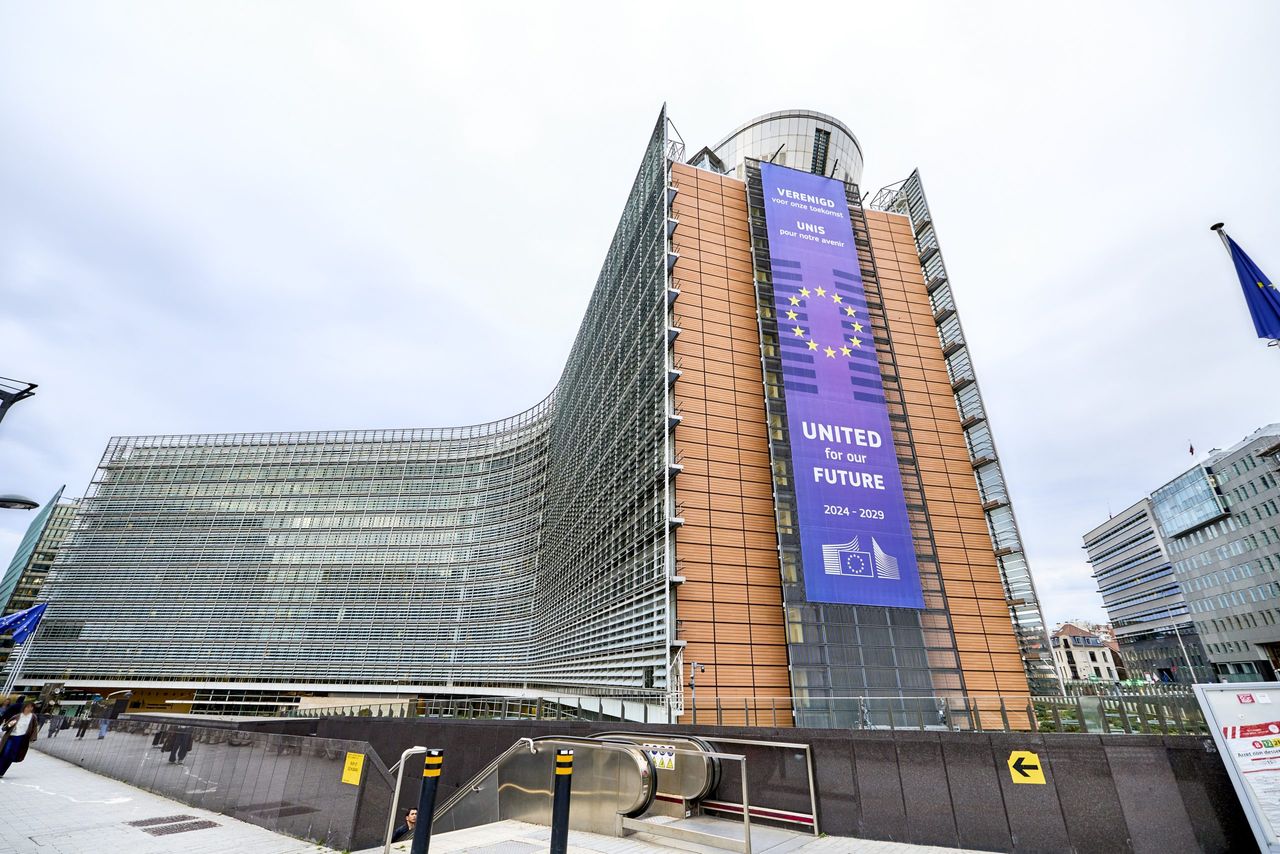
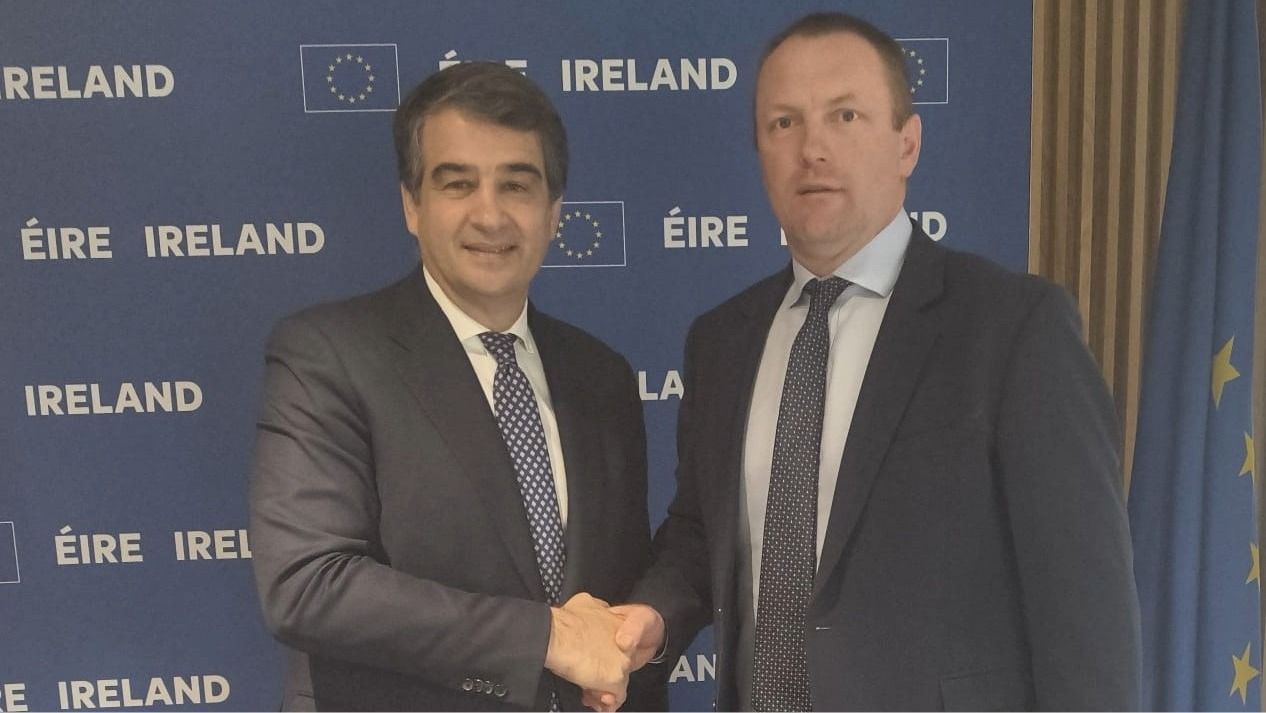
Denis Drennan was speaking following a meeting in Dublin this week with Raffaele Fitto, executive vice-president of the EU Commission for cohesion and reforms.
The ICMSA president said the proposed new CAP is a "pale shadow of the effective landmark programmes of the past".
CAP
The European Commission's proposals for the next CAP would see a move away from the traditional two-pillar structure.
After 2027, CAP would be integrated into National and Regional Partnership Plans worth €865 billion, of which a minimum of €300 million would be ringfenced for farmer income supports.
The commission has confirmed that €48 billion from the Flexibility Reserve may be used for agriculture from 2028.
The commission believes the proposals would increase flexibility for member states to direct funding toward specific farmer needs.
"We keep being told that the commission is really serious about ensuring a sustainable future for EU agriculture, but the budget they are talking about just contradicts their own statements.
"We have a substantially reduced budget being put forward by the EU Commission when even the present budget has been demonstrably inadequate to the demands made upon it," Drennan said.
The European Parliament budget committee has proposed to add €139 billion to the commission's ringfenced amount for farmers.
An outline of the next long-term EU budget or Multi-Annual Financial Framework (MFF), including the next CAP, may become clear before the end of the year, with trilogue discussions then expected to begin.
ICMSA
The ICMSA president said he told commission vice president Fitto that the EU simplification process was "now widely regarded as a sarcastic joke on farmers and that in every respect and on every level CAP was now collapsing under its own contradictions".
"We had to point out, for the umpteenth time, that social and environmental sustainability had to be underpinned by economic sustainability and that the best way of keeping the rural populations on the land was ensuring that they could make a decent living through farming and food production," Drennan said.
The ICMSA president pointed to several areas within the commission’s scope where very little action was required to make a "huge positive difference" to farmers’ working lives.
He said they specified the need for reform of key environmental directives.
"We have directives in place for over 35 years that simply do not reflect the realities of today and are unfairly penalising farmers.
"Farmers have no issue meeting their commitments, but we must be allowed deliver them in a fair, reasonable and practical manner and these outdated directives – or unreasonable ones like Habitat’s Directive - are making a hard and challenging job of farming just impossible," Drennan said.