EU milk prices expected to stabilise in coming months - report


The EU short-term outlook for 2026 suggests that raw milk prices may soon stabilise, while meat consumption per capita will remain stable.
The outlook is updated for 2026 for meat and dairy sectors, and for the market year 2026/2027 for cereals and oilseeds sectors.
According to the European Commission, its update “assumes a return to stability, albeit with a weaker economic outlook as a consequence of the ongoing geopolitical situation in the Middle East".
It added that the conflict is "exacerbating challenges to the agri-food system, creating a highly uncertain environment and significant downward risks”.
The commission noted that the impact on energy markets, transport costs and inflation has “driven up oil, gas and fertiliser prices, which can significantly raise input costs for the agricultural sector, subject to the extent and persistence of these disruptions”.
It said it is “closely monitoring the situation and its impact on farmers and the agri-food market", specifically in relation to input costs and the functioning of supply chains.
Arable crops and vegetable oils
According to the outlook, 2026/2027 EU cereal production is projected at 278.1 million tonnes, a reduction of 3.2% over the 2025/2026 production volume but still 1.5% above the five-year average.
This reduction is mainly expected to come from yields, which are projected to be close to average values, assuming average weather for the rest of the season, and therefore below the very high values of the 2025/2026 season.
EU maize production is projected to increase in 2026/2027 (+5.3% year-on-year), although increased fertiliser prices at the time of sowing could result in lower areas sown.
Wheat production is expected to decline by 6.2% from an exceptionally high value recorded in 2025/2026.
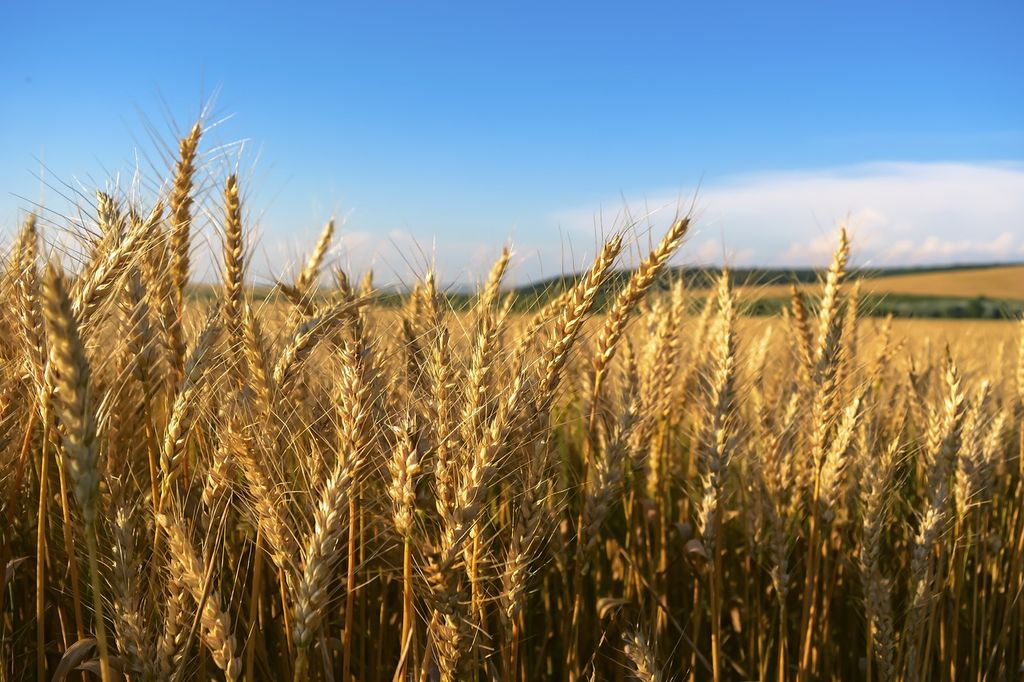
Despite lower production, net exports of EU cereals in 2026/2027 are projected to increase to 19 million tonnes, up 3.2 million tonnes from estimated 2025/2026 levels.
According to the outlook: “This is thanks to a significant increase in beginning stocks (43 million tonnes in 2026/27 versus 31.5 million tonnes in 2025/26), stable imports, and increase in exports of wheat.'
EU oilseed production in 2026/2027 is projected to be at 32.3 million tonnes, corresponding to a 3.3% increase over 2025/2026 and 4.6% above the five-year average.
Production increase is mainly due to "more cultivated area and better yields of sunflower", resulting in 14.5% increase in sunflower production, the report said.
Vegetable oil production is also projected to increase to 16.7 million tonnes (+4.5% year-on-year), resulting in record low vegetable oil imports of 5.9 million tonnes (-25% below the five-year average).
Milk and dairy products
EU milk supply in 2025 increased at an “unexpectedly high rate, due to a favourable combination of multiple factors”, according to the report.
These factors included:
- good margins for dairy farmers supported by high raw milk prices;
- favourable weather and grassland conditions;
- exceptional quality and availability of feed
- delayed culling;
- a rebound from delayed calving after animal disease outbreaks in some member states (Germany, France, The Netherlands, and Belgium).
The outlook said: “While raw milk prices have been correcting downwards since October 2025, the recent stabilisation or even rise of dairy commodity prices suggests that raw milk prices might also stabilise in the coming months, with some time lag.”
It added that EU milk production “could still slightly increase in 2026 (+ 0.2%) mainly driven by a resilient EU demand”.
After a "strong increase" in the first quarter, a year-on-year decrease is expected in the second half of the year.
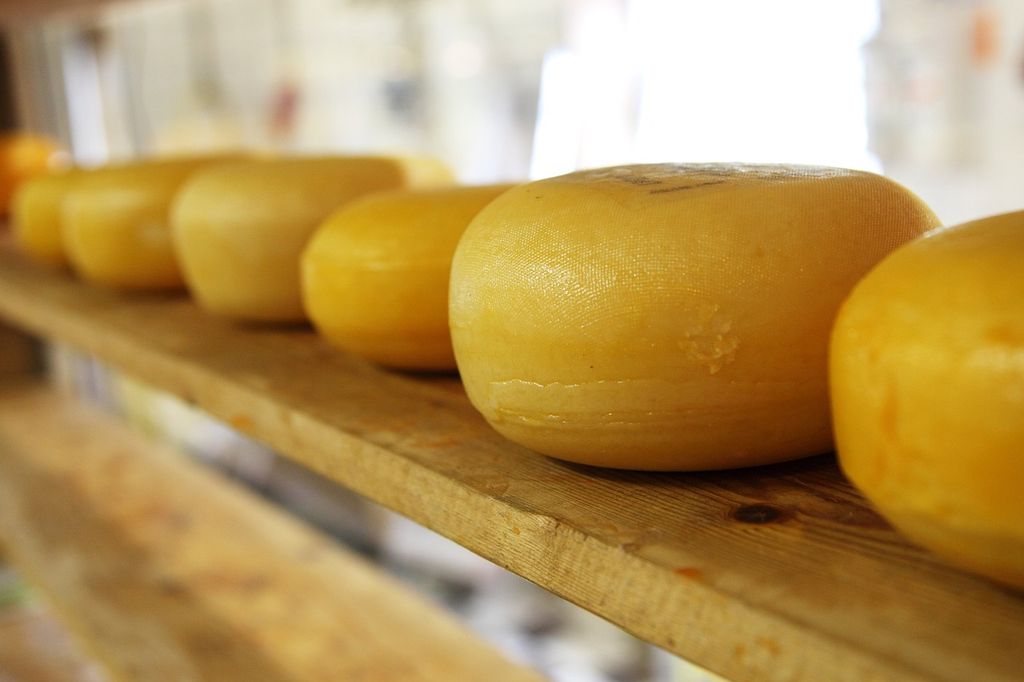
Cheese and whey are forecast to further increase their share in dairy processing, as the industry further shifts toward higher value-added products.
Strong global demand for cheese and whey derivatives also allows for an increase in EU exports of these products.
Butter and skimmed milk powder (SMP) production, after an "exceptional" increase in 2025, is forecast to remain stable in 2026.
The outlook found that the improved competitiveness of EU SMP production “can allow for a similar (relatively high) level of exports in 2026 as in the previous year”.
Both EU production and exports of whole milk powder are expected to further decline in 2026, after a significant drop in the previous year amid lacking price competitiveness and decreasing demand in key markets.
According to the outlook: “While decreasing production and consumption trends for drinking milk pull down 2026 prospects for fresh dairy products, yogurt and cream production could increase in 2026, supported by strong demand for these products.”
Meat products
EU per capita meat consumption is expected to remain stable in 2026 with “robust demand, despite high prices, in almost all meat markets”.
Meat production is expected to decline in 2026 compared to 2025 for beef (-2.6%), pigmeat (-1%) and sheep and goat (-5%), while poultry production is forecasted to increase (1.4%).
High prices and a declining cattle and sheep herd are expected to result in more EU overall meat imports and a decline in overall EU meat and live animal exports in 2026.
However, the outlook found that beef, poultry, and pigmeat “could still sustain their positive trade balance”.
The short-term outlook is based on the latest market fundamentals, data, and insights from experts within the European Commission's Department for Agriculture and Rural Development.