Ibec claims protests present 'health and safety risks' to workers

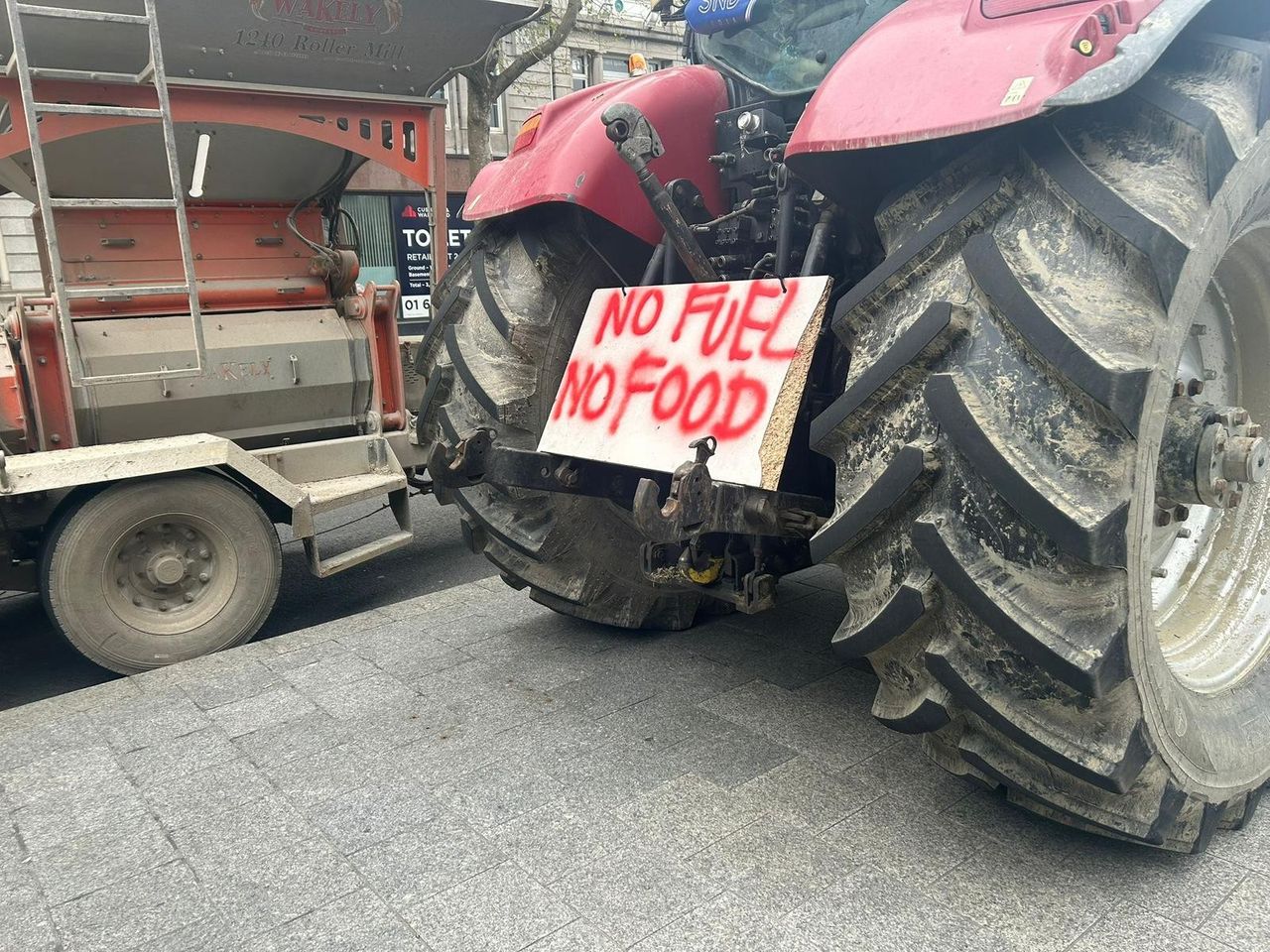
The main representative body for Irish business has claimed that the ongoing protests and blockades of certain sites are presenting 'health and safety risks to workers'.
Ibec has urged an "immediate de-escalation" of the nationwide fuel protest, which is now in its third day.
According to Ibec, the protest is presenting "significant cost and operational disruption" which is impacting on supply chains.
Ibec includes several bodies representing sectors in the agri-industry, including Meat Industry Ireland (MII) and Dairy Industry Ireland (DII).
Ibec said that its members across "critical" business supply chains, including food, medicines and construction, are all reporting growing risks to production processes within the coming 24 to 48 hours, unless the protests are removed from essential infrastructure.
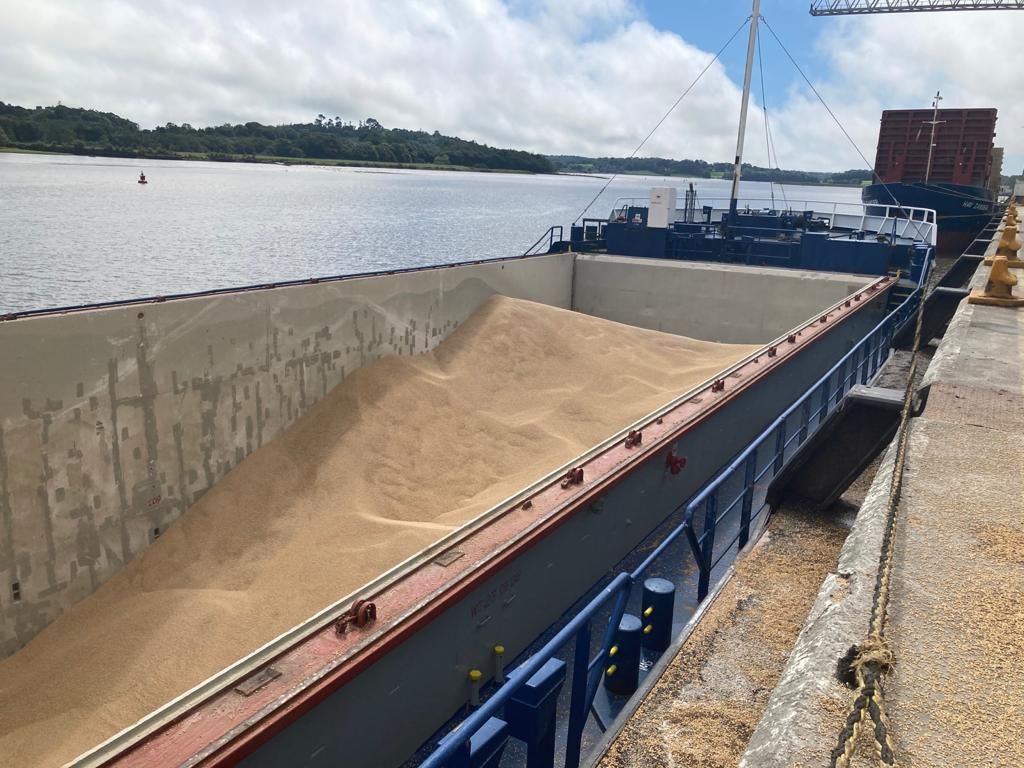
That infrastructure includes ports, industrial zones and transport hubs. The industry body said that some sites have already ceased production.
The industry lobby group also said the protests have caused significant access issues for several large industrial areas.
"Restricting access to these facilities poses a major risk to health and safety, particularly in emergency situations where ease of entry is critical," Ibec said.
The group claimed that employees have been unable to access their work places, and some employers are reporting up to 50% "forced absenteeism" rates.
Commenting on the protests and blockades, Ibec director of lobbying and influence Fergal O’Brien said: "The protests are now presenting material damage and costs to businesses across multiple sectors of the economy.
"Supply chains are being hit hard due to the port and other blockades and high value production process in the food, pharma and construction sector are all at imminent risk," he added.
According to O’Brien, this will have immediate knock-on costs and disruption for the agriculture and construction sectors in particular.
He claimed that this disruption, along with wider costs across the economy to the retail and hospitality sectors, will lead to significant economic costs which will "undermine the state’s revenue base and the government’s ability to support those most impacted by the global energy crisis".
"The protests are counterproductive and damaging to businesses and the economy, including our investment reputation.
"We fully understand the cost pressures facing individuals and businesses as a result of the ongoing volatility in the Middle East," O'Brien said.
"Ibec, as the largest representative body for businesses, continues to advocate constructively with government to discuss further ways to alleviate these pressures until costs have stabilised," the Ibec representative added.