Farmers reminded of seasonal risk of bluetongue infection

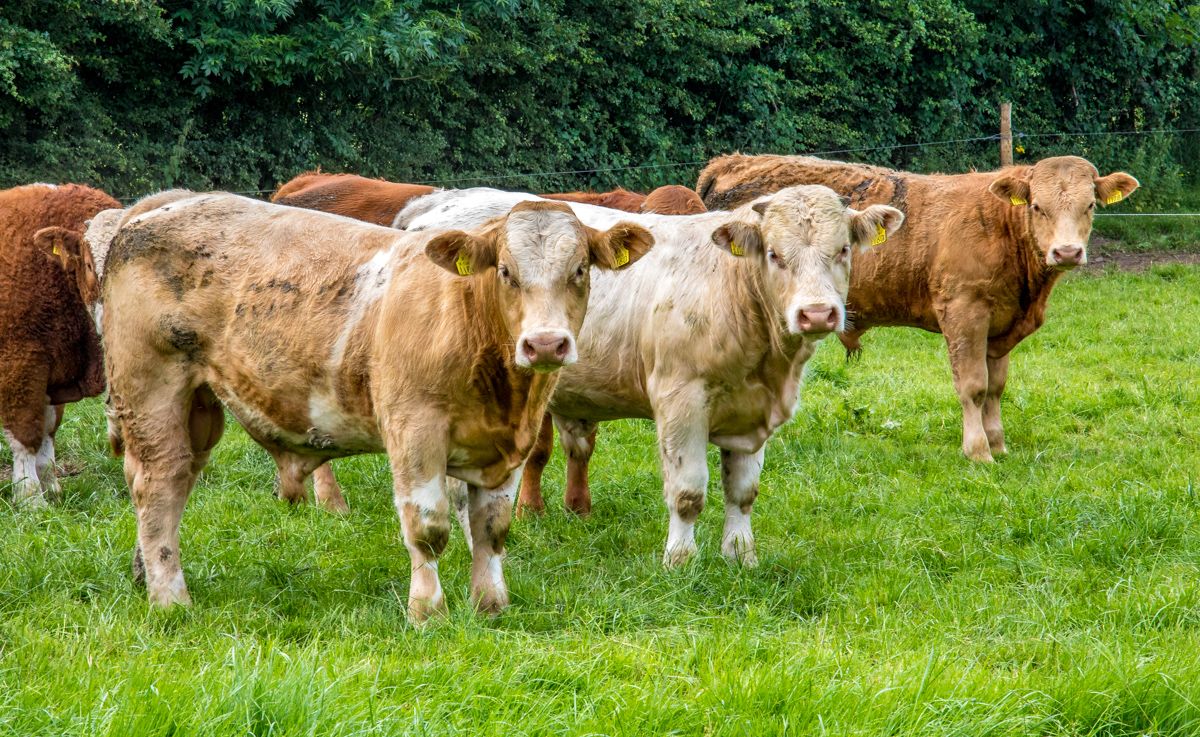
Minister for Agriculture, Food and the Marine, Martin Heydon has today (Tuesday, April 28) issued a reminder to farmers to prepare for the higher risk period for bluetongue virus (BTV).
Bluetongue is a notifiable viral disease which can cause severe clinical signs in ruminant species, such as cattle,sheep and goats, and camelids.
The virus is spread by infected biting midges many of which are found throughout the island of Ireland.
Bluetongue transmission primarily occurs when biting midges feed off the blood of an infected animal and then spread the virus to other uninfected animals they bite.
Bluetongue
In a statement, Minister Heydon said: "As we enter the summer period when sustained warmer temperatures will make replication of bluetongue virus possible within infected midges".
The minister advised cattle and sheep farmers to "consult with their veterinary practitioners, to decide whether to vaccinate their flocks or herds".
"Sheep vaccination takes three weeks to take full effect, and cattle vaccination takes six weeks, so it is important to discuss with your private veterinarian now and decide whether or not to vaccinate.
"Bluetongue virus is spread via midges and temperatures need to be greater that 12°C for a sustained period for the virus to replicate within the midge so that the midge can spread the virus," he added.
Vaccination
The minister said that BTV vaccination can reduce the impact and severity of bluetongue virus on livestock.
He added that this can mitigate both animal health and welfare issues and the production losses which an infection may cause.
Bluetongue vaccination has been included as one of the optional measures under the 2026 National Sheep Welfare Scheme as well as the 2026 Beef Welfare Scheme.
"Farmers may obtain BTV vaccines from their veterinary practitioner, under licence from the department.
"Farmers interested in obtaining BTV vaccines should discuss this with their vet," Minister Heydon added.
Cases
The Department of Agriculture, Food and the Marine (DAFM) has confirmed that more than "19,000 samples of ruminants" have been tested for bluetongue in 2026.
According to DAFM, since the virus was first detected in Ireland in January "a comprehensive analysis of cattle blood samples" taken for other disease detection purposes have been being tested for the virus.
Bluetongue has been confirmed in counties Wexford, Wicklow, Laois, Louth, Monaghan, and Kildare and the department has issued more than 270 bluetongue vaccine licenses to vet practices.
A DAFM spokesperson told Agriland: "To date, over 3,000 herds have been vaccinated".
The department has stated that there are no public health risks associated with bluetongue as it does not affect human health or food safety.