FAO sounds alarm on fertiliser scarcity and food supply

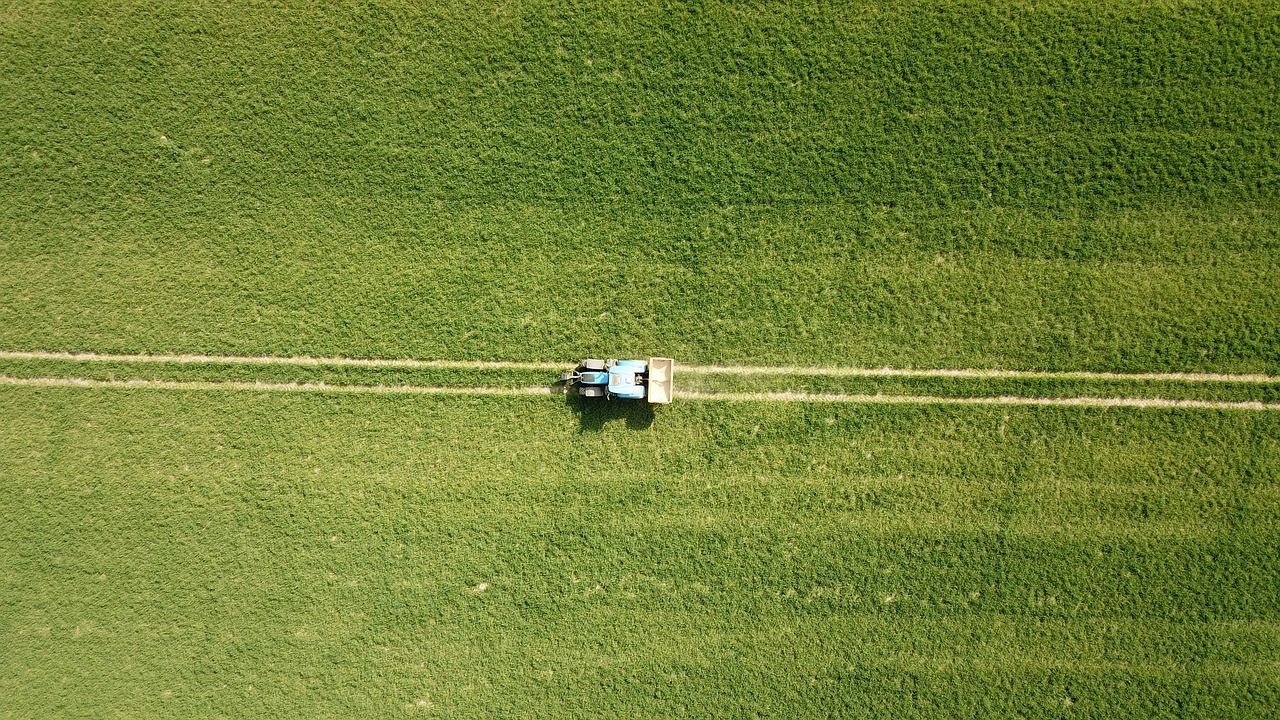
The Food and Agriculture Organization (FAO) of the United Nations (UN) has warned that fertiliser scarcity will impact harvests and food supplies in the second half of this year and into next year.
The Director-General of the FAO, Qu Dongyu, said this week that global fertilizer scarcity caused by disruptions in the Strait of Hormuz will lead to lower yields and tightening food supplies.
He spoke at a meeting of European Mediterranean countries on supporting food security and access to fertilisers.
The FAO director-general stressed that the current crisis "extends far beyond geopolitics" and is increasingly affecting food production, trade, agricultural inputs and access to food worldwide.
"This is not only a geopolitical crisis, but also a disruption at the core of the global agri-food system," Qu said.
He highlighted the strategic importance of the Strait of Hormuz, which, under normal conditions, carries substantial shares of globally traded oil, liquefied natural gas, sulfur and fertilisers.
Disruptions to maritime flows through the corridor, he warned, are already tightening fertiliser markets and increasing energy costs, with potentially severe consequences for agricultural production and food prices.
"Agriculture operates within a crop calendar that cannot be postponed. Fertilisers must be applied at specific moments in the crop cycle. If they do not arrive on time, yields are reduced, regardless of what happens later," Qu said.
Qu told the meeting that a delay of even a few weeks forces farmers to reduce fertilizer use or abandon application altogether.
He also said that the impacts seen today are not limited to current prices, but are transmitted forward into the next harvests, which would tighten food supplies into the last half of 2026, and 2027.
The FAO director-general noted that the impacts are particularly concerning because they coincide with critical planting and fertilisation periods across major producing regions.
Import-dependent countries, in Africa, Asia and parts of the Middle East, are among the most exposed, especially those already facing acute food insecurity, economic fragility, or climate-related shocks, he said.
According to Qu, no country is insulated from the crisis.
He outlined three priority areas for "coordinated action".
In the immediate term, he called for alternative trade routes to be facilitated, for export restrictions to be avoided, and farmers' access to agricultural inputs to be supported.
In the medium term, he called for better regional coordination; diversification of fertiliser and energy sources; and targeted support for the most vulnerable economies.
For long-term solutions, Qu told the meeting there is a need for "structural transformation" to reduce dependence on concentrated supply routes and fossil fuel-based inputs.