EU set to propose 'targeted' CAP package amid soaring fertiliser costs


The European Commission will today (Tuesday, May 19) unveil its plan to address the soaring fertiliser prices driven by the war in the Middle East.
The EU's Fertiliser Action Plan comes as overall EU nitrogen (N) fertiliser prices in April 2026 were around 70% above the 2024 average and up around 40% compared to February 2026.
The Middle East, and in particular the Strait of Hormuz which has been closed as a result of the conflict, accounts for up to 20-30% of global exports for ammonia and urea.
Fertiliser Action Plan
According to the European Commission, the EU's Fertiliser Action Plan aims to improve the availability and affordability of fertilisers in the short-term.
In addition, it seeks to enhance EU resilience by reinforcing domestic production, nutrient management and accelerating decarbonisation.
The plan will also aim to strengthen transparency across the fertiliser supply chain.
A draft version of the plan seen by Agriland proposes several "immediate measures" to reduce pressure on fertiliser costs and secure supplies for farmers.
In a bid to provide liquidity for farmers, the commission is expected to propose "targeted exceptional support" using existing crisis instruments under the Common Agricultural Policy (CAP).
It is understood that the commission will propose to use the EU budget to increase the agricultural reserve to "provide fast relief for farmers".
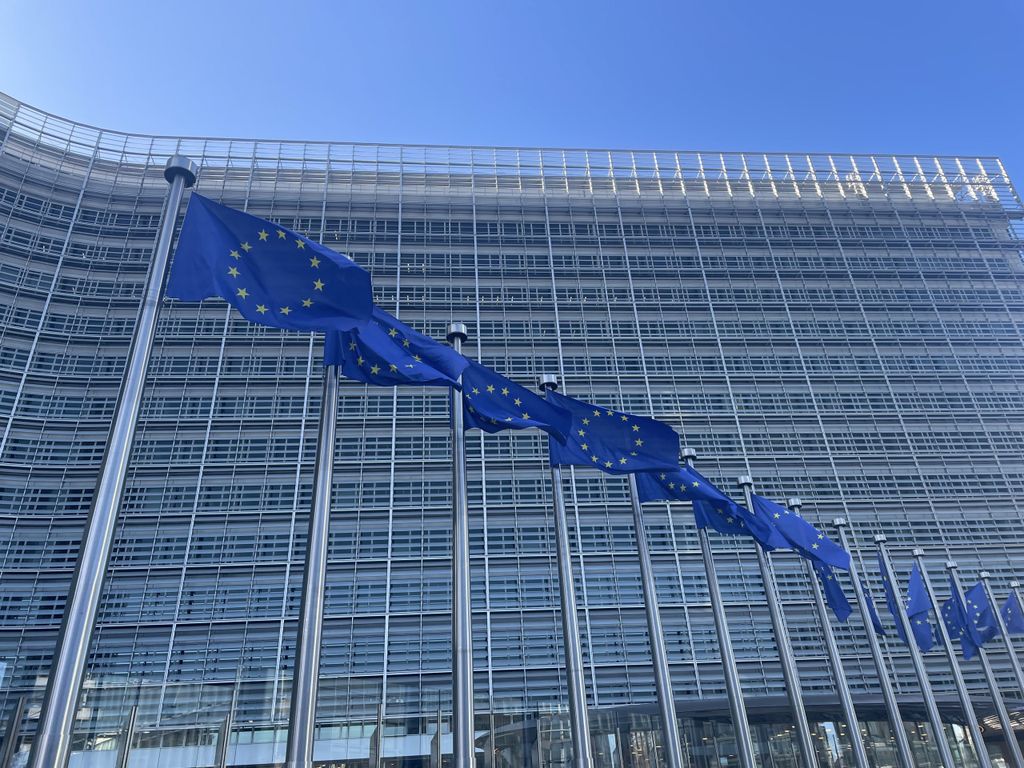
Last month, the commission adopted a temporary State aid framework which will allow member states more flexibility in how they support farmers impacted by soaring fuel and fertiliser prices.
The commission is today expected to put forward a targeted CAP package allowing member states to make maximum use of supports in current CAP strategic plans.
Member states will be encouraged to make advance CAP payments to farmers more flexible so farmers can meet their financial obligations "in these exceptional circumstances".
The commission will also recommend that member states increase funding within existing CAP envelopes for investment measures that support more efficient and sustainable fertiliser use.
This could include member states developing new or adapting existing agri-environmental measures to improve fertiliser efficiency, stimulate use of recycled nutrients and strengthen farm resilience.
The commission will also propose a partnership between fertiliser producers, farmers and other stakeholders to ensure the availability and affordability of domestic fertilisers.
EU plan
The longer-term measures in the plan are expected to include increased efforts by the European Commission to promote diversification of the support of ammonia, urea and other fertiliser inputs.
According to the draft plan, the commission will explore investment in "partner countries" involving the production of ammonia and bio-based organic fertilisers.
In addition, the commission is expected to reassess stockpiling and other preparedness options for key fertilisers and inputs.
The commission will also support the uptake of organic fertilisers and alternatives to conventional products, in particular bio-based fertiliser.
According to the draft plan seen by Agriland, the commission does not appear to be willing to suspend the Carbon Border Adjustment Mechanism (CBAM) for fertilisers, though it does outline some flexibilities.
CBAM, which came into force on January 1, is essentially a tax on imports of carbon-intensive products into the EU, including fertiliser.
The measure requires importers of fertiliser to pay for certificates to import products.
There have been numerous calls from politicians and farm organisations to suspend the measure amid the current soaring fertiliser costs.
Farmers
Copa Cogeca is holding a 'flash action' in Strasbourg during the presentation of the Fertiliser Action Plan by the European Commission.
According to the umbrella organisation which represents farmers and co-ops, the action plan is "unlikely to meet the expectations of the European farming community or address the scale of the crisis that has been unfolding since the outbreak of the conflict in Iran".
Copa Cogeca added that the European Commission has both the tools and the means to act in the short-, medium-, and long-term.
The representative groups argue that Europe’s ability to safeguard its food security is being undermined.
"This is why we will gather in Strasbourg to raise the alarm about a fertiliser crisis that is crushing farms and agri-cooperatives, the growing impact of CBAM, and the looming food security consequences for Europe and beyond," the organisation said.