Watch: Fertiliser has 'completely gone out of reach altogether'

Irish farmers are looking to the European Commission, which is set to unveil its Fertiliser Action Plan tomorrow (May 19), to deliver some "level of price stability".
The European Commissioner for Agriculture, Christophe Hansen, is scheduled to present the Commission's Fertiliser Action Plan to the European Parliament tomorrow.
According to latest EU data, 30% of nitrogen and 70% of phosphatic fertilisers used in the EU for agricultural production are imported, while fertiliser production in the EU relies on natural gas.
The price of both fertiliser and gas has been rising steadily because of the crisis in the Middle East.
It is estimated that the price of calcium ammonium nitrate (CAN) has risen by around 20% since the beginning of March, while urea has increased by as much as 60%.
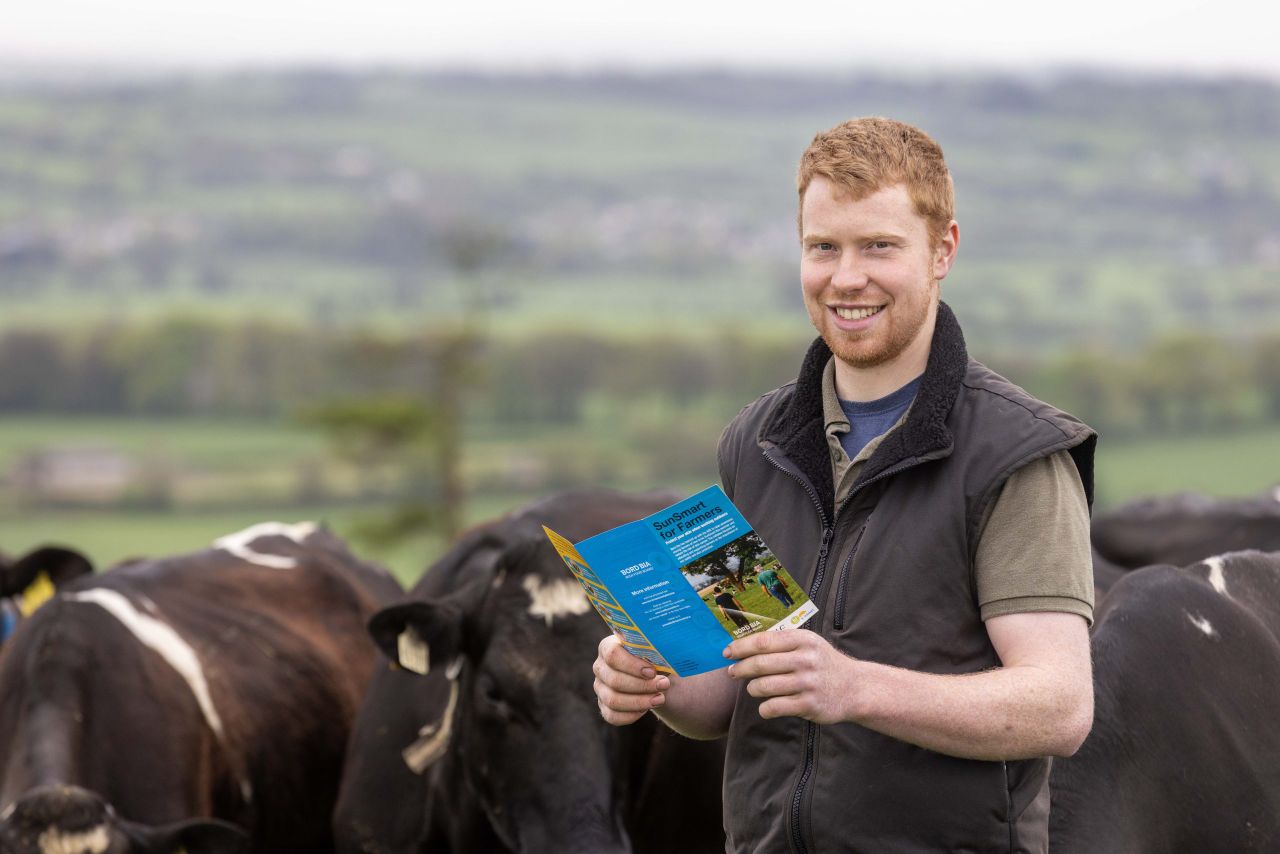
The impact of these price rises on Irish farmers, according to Gerard O'Reilly, chair of Cavan Irish Creamery Milk Suppliers Association (ICMSA), has been significant.
O'Reilly told Agriland: "Fertiliser prices have skyrocketed while milk prices have stagnated and have fallen since last year - they're below the cost of production currently.
"Fertiliser prices are huge, one of our biggest inputs. We're very dependent on fertiliser to grow the grass for the system we're in - we're dependent on nitrogen and it's a big part of the business.
"Access to fertiliser and the price of fertiliser is very worrying at the moment.
Fertiliser Action Plan
According to the Cavan dairy farmer, Irish farmers need to be able to plan for the future in relation to fertiliser requirements.
"We need some level of price stability. We need to be able to plan and know roughly for the year ahead what price fertiliser is going to be so we can budget on that.
"We need to know we're going to have access to a steady supply of it. It's been very topsy turvey since the Russian invasion of Ukraine," O'Reilly added.
He said Irish farmers are "dependent on Europe" to control big fertiliser companies and to help farmers "to get some sort of stability in dealing with them".
The dairy farmer outlined that all input costs have risen against the backdrop of the conflict in the Middle East but "fertiliser has completely gone out of reach altogether".
"If we're not growing grass, we're not putting milk in the tank and if we're not putting milk in the tank we're not getting paid for milk - that's gonna have a huge impact.
"At the end of the day, it's going to impact on consumers because food costs will rise substantially, the cost of production of food is going to go up and therefore the cost of food will have to go up to match that," O'Reilly warned.
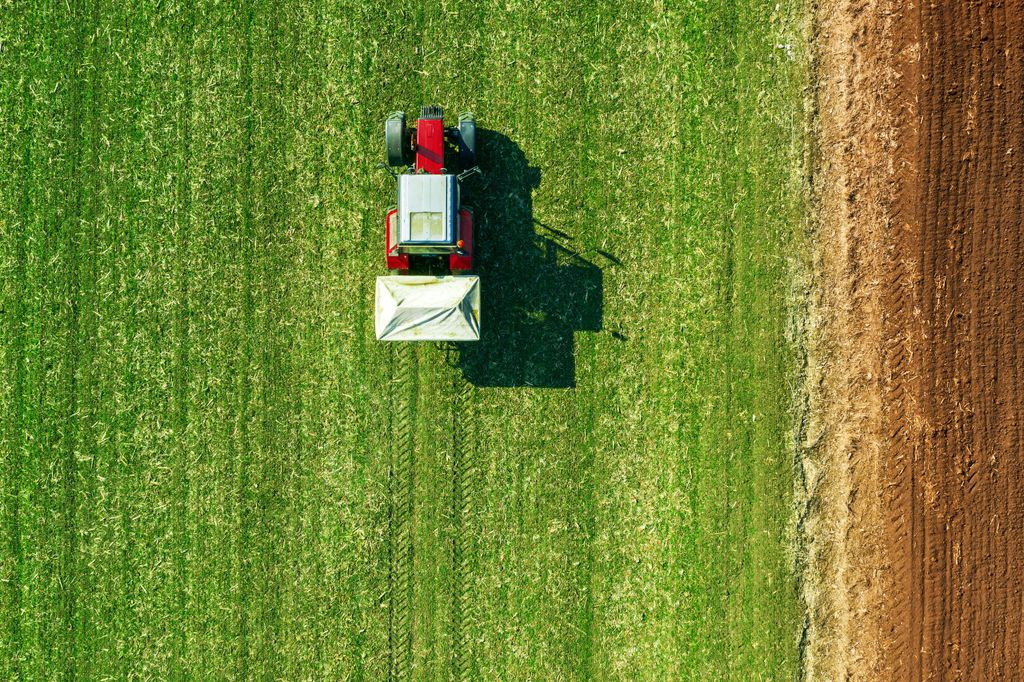
Meanwhile the Minister for Agriculture, Food and the Marine, Martin Heydon, has said his department is closing monitoring fertiliser supply issues and concerns.
He has confirmed that fertiliser product has continued to arrive in Ireland but "challenges in supply exist, especially in the case of urea".
The minister has also pointed to the fact that the national fertiliser database import figures show that fertiliser stocks in Ireland increased significantly during the fourth quarter of 2025 - with CAN imports increasing by 55% and urea by 260%.
One major issue for Irish farmers as fertiliser prices continue to rise is around the EU's Carbon Border Adjustment Mechanism (CBAM).
The EU states that this is is "an environmental policy tool for fair carbon emissions pricing" - but farmers do not agree.
The CBAM came into force on January 1 and is essentially a tax on imports of carbon-intensive products into the EU, including fertiliser.
Minister Heydon has repeatedly raised the need to invoke Article 27a of the CBAM at various EU Agriculture and Fisheries Council (AGRIFISH) meetings.
He believes that Article 27a of CBAM allows "for the suspension of certain elements under certain set criteria".
In his opinion: "We are in this crisis period now where fertiliser should be set aside as part of CBAM".