Sponsored
Don't let a difficult year set your grassland production back


Sponsored by

This has been a challenging year so far, with a prolonged winter, and rising energy and fertiliser costs, causing real pressure on margins.
The temptation to pause planned improvements and cut costs where you can is certainly understandable.
But it is worth thinking carefully before deferring a reseeding programme.
We know reseeding has a cost, but it is easy to underestimate the cost of not reseeding. Tired, low-performing swards are already costing you in reduced output and poorer feed quality. Leave them another year and you increase the risk of compounding the problem at a time when you need your grassland working as hard as possible.
Cut your fertiliser bill
With nitrogen fertiliser prices elevated and supply unpredictable due to current geopolitical unrest, there is a strong argument for getting clover into your reseeded swards now.
Top-performing white clovers can fix up to 150kg of nitrogen per hectare from the atmosphere and make up to 100kg of that available to companion grasses, representing a significant reduction in your purchased nitrogen requirement.
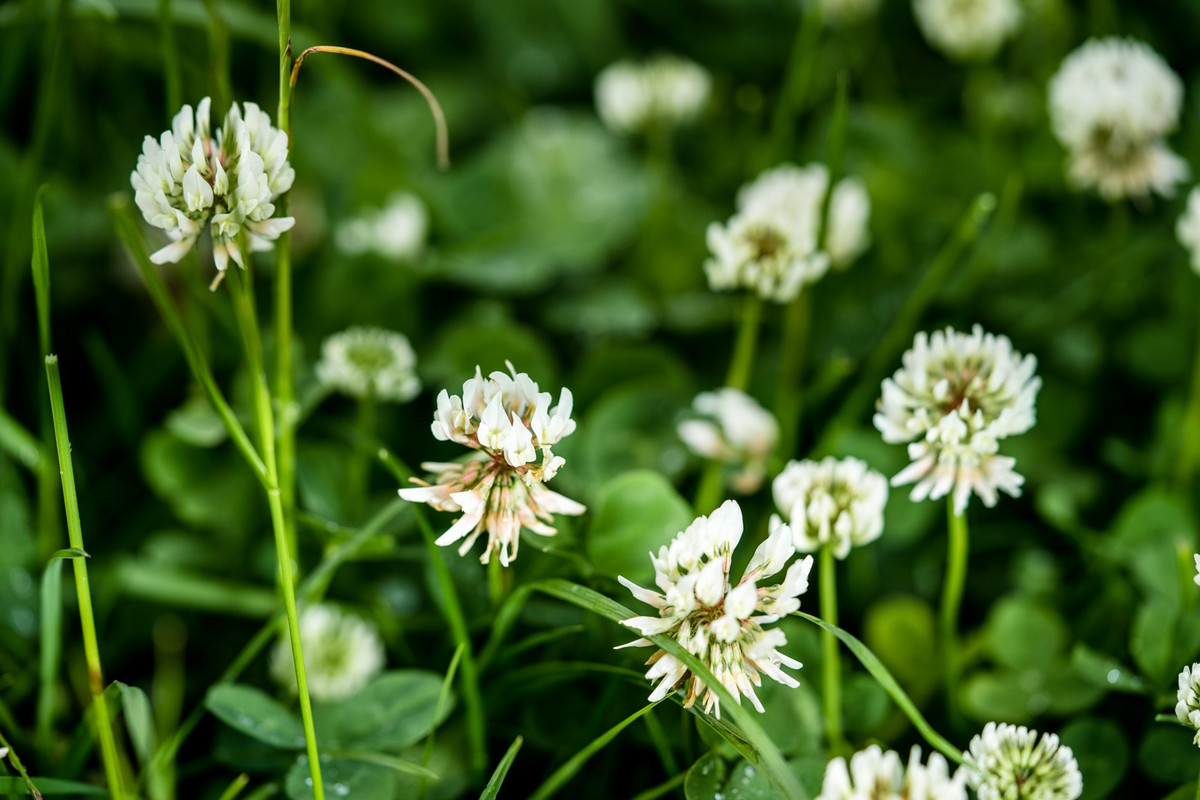
Reseeded pastures will also respond better to nitrogen fertiliser that you do apply, particularly at the shoulders of the grazing season, with around a 25% improved response rate.
Output you can measure
Grass production on Irish dairy farms averages around 9t of dry matter (DM) per hectare. However, the highest-performing farms can produce over 15t DM/ha after reseeding. That gap in output makes a real difference; when margins are tight, efficiency of production becomes even more important.
Reseeding provides access to the latest grass and clover varieties which will improve output and increase animal performance. Among these are Germinal’s Aber High Sugar Grasses (Aber HSG), bred with higher levels of water-soluble carbohydrate which allows ruminants to capture more protein from the grass they consume. With less protein wasted, ammonia and nitrous oxide emissions from the animal are reduced.
More efficient protein capture also drives meat and milk production with research demonstrating Aber HSG varieties can deliver up to 6% increase in milk yields per cow (Miller et al, 2001). Aber HSG grasses have also been shown to deliver up to 20% higher daily liveweight gain in cattle (Institute of Biological, Environmental and Rural Sciences, Aberystwyth University).
Choosing the right mixtures
Germinal provides a comprehensive selection of grassland mixtures with options suited to all farming systems. The right choice will depend on your priorities, whether that is improving soil health, building resilience against variable weather, reducing inputs, all while maximising performance.
Our Climate Smart mixture ranges have been expertly formulated to deliver the high production value you need, along with multiple environmental benefits.
The ranges include:
- Climate Smart Clean is the leading grass mixture for intensive grazing systems, built around Aber HSG varieties to drive livestock production while reducing emissions;
- Climate Smart Capture focuses on nutrient efficiency, using clovers to reduce fertiliser inputs and lower costs of production without compromising output;
- Climate Smart Thrive brings together diverse species with varied rooting structures to support soil health, build organic matter, and sustain long-term yields;
- Climate Smart Adapt contains deep-rooting varieties specifically selected to build resilience and reduce risk when weather conditions become challenging.
You can also consider Germinal’s widely popular Top 5 range of grass seed mixtures that continue to provide access to tried and trusted Aber HSG varieties that farmers have relied on to deliver top performance for many years.
Keep the programme moving
A reseeding programme should typically cover 10-15% of your grassland (silage and grazing) each year. Decisions should be informed by a field-by-field assessment, measuring where output is falling and quality is declining. Tools such as Teagasc’s PastureBase management app can support this process.
Your reseeding programme should also include regular soil testing to allow time to improve soil fertility. Target optimal pH levels of around 6.5 and bring Ps and Ks to their correct target index levels.
For 2026, prioritise the worst-performing fields where the output gap is most visible. If your budget is tight, consider overseeding to extend the life of existing swards, or repair poaching damage from spring, without incurring the full cost of reseeding.
Stick with it
Reseeding consistently delivers payback within around two years, making it one of the most valuable returns on investment in terms of output performance and forage quality.
If you need support identifying where to focus, visit germinal.ie or contact your Germinal representative, who can help you assess your grassland and put together a practical plan.
Sponsored by


