Delegation of Irish women in agri brings 'farming reality' to Brussels
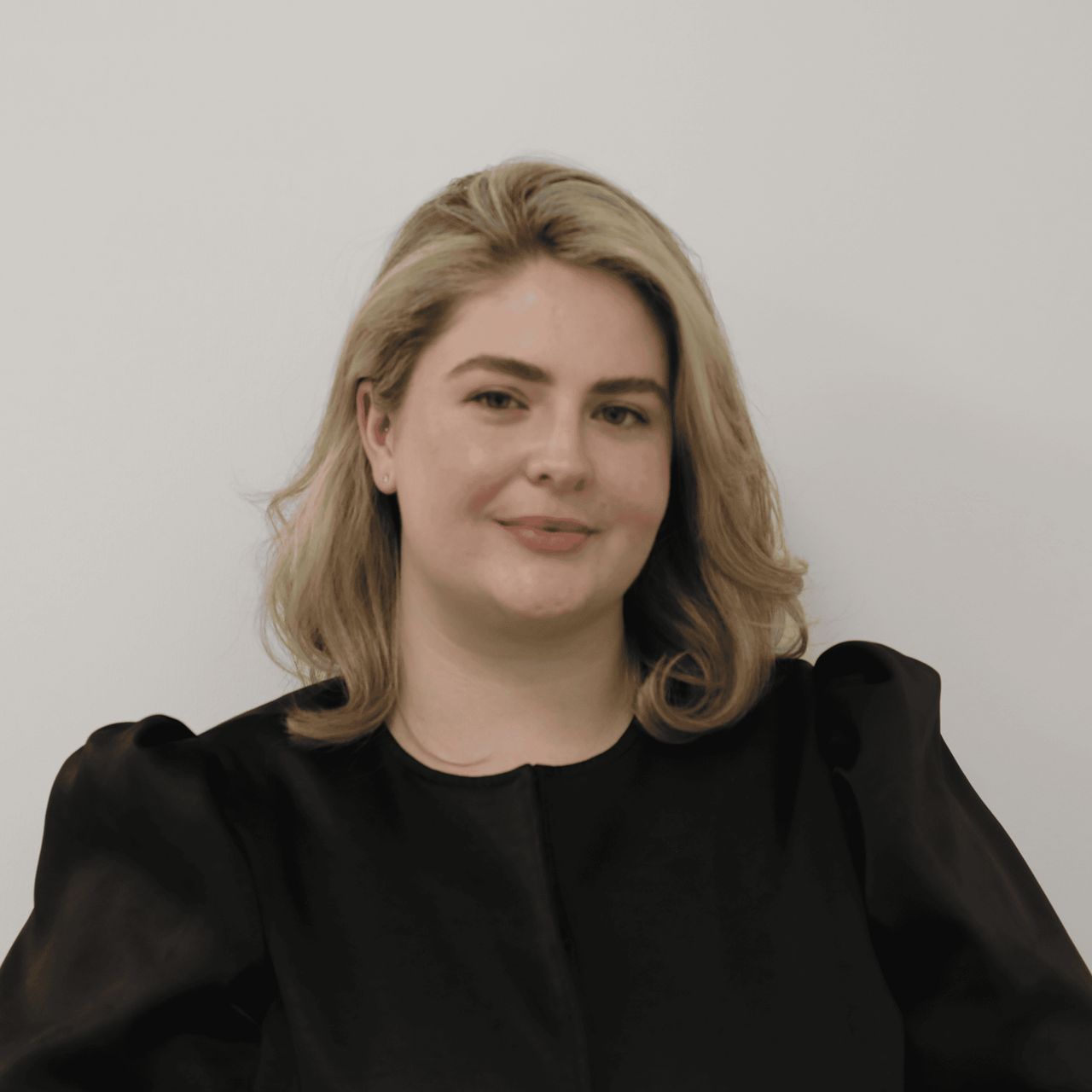
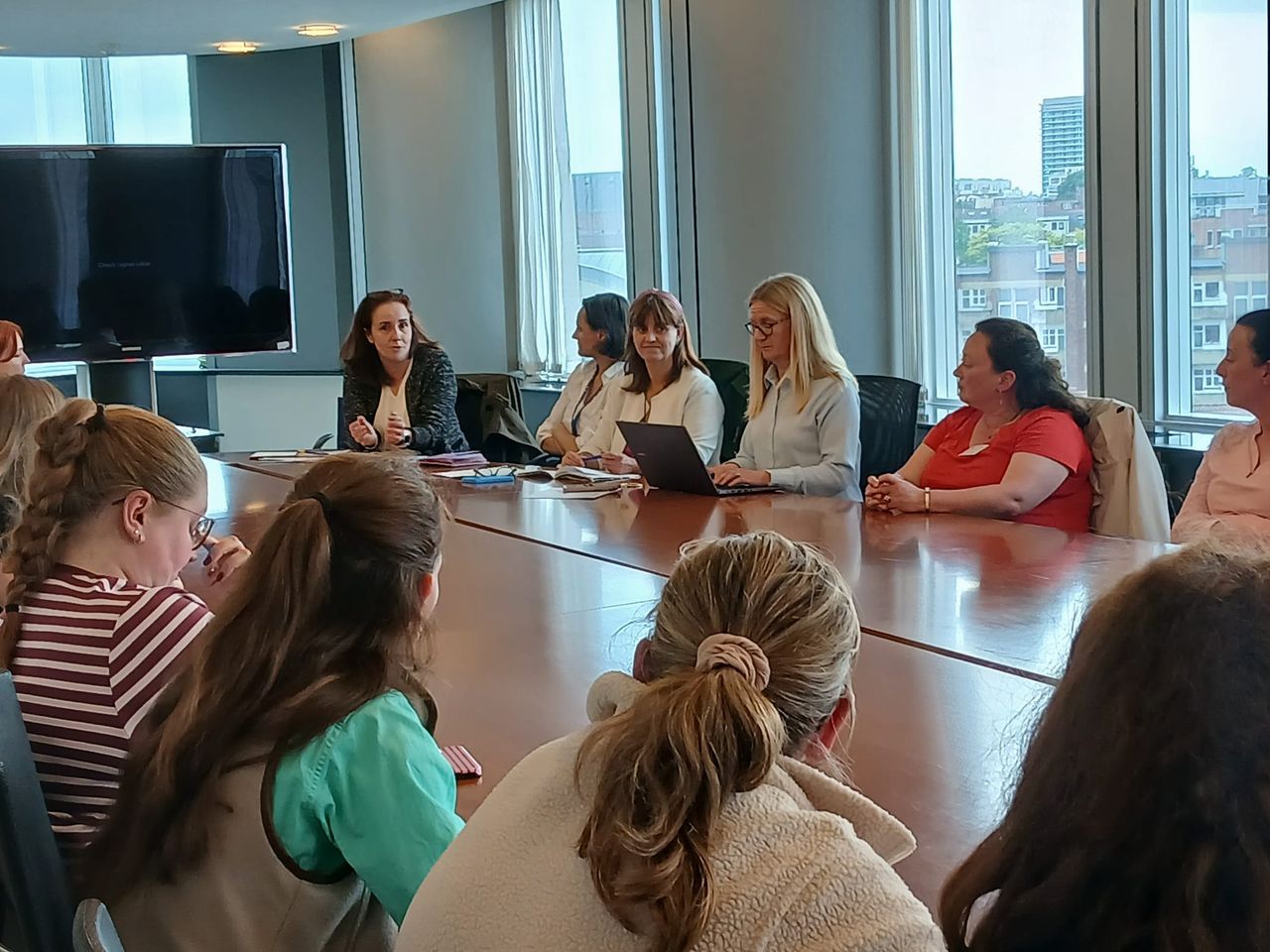
A delegation of Irish women involved in agriculture brought the "reality of farming life" to Brussels this week.
The group travelled to the European Parliament as guests of MEP Ciaran Mullooly for a programme of meetings focused on the role of women in farming, rural development, generational renewal, succession, training, funding and the future of family farms.
Carina Roseingrave from Crusheen, Co. Clare, who is Ireland’s ambassador for the International Year of the Woman Farmer 2026, was part of the delegation.
The Roscommon members of the delegation were: Fionnuala Mee; Mary Gleeson; Olivia Hennigan; Melissa Tarpey; Clodagh McCaffrey; Claire Cooney; Bernadette Mee; Martina Conway; Joan Mullaney; Nicola Fetherstone; Niamh Connaughton; Grainne Keaveney; Laura Kerins; and Melissa Glynn.
They were joined by Longford participants Shirley O’Halleran, Rebecca O’Halleran, Rosaleen Lennon and Isabelle Smyth, along with Sinead Higgins from Galway, who attended from Teagasc, and Charles Devaney from Teagasc.
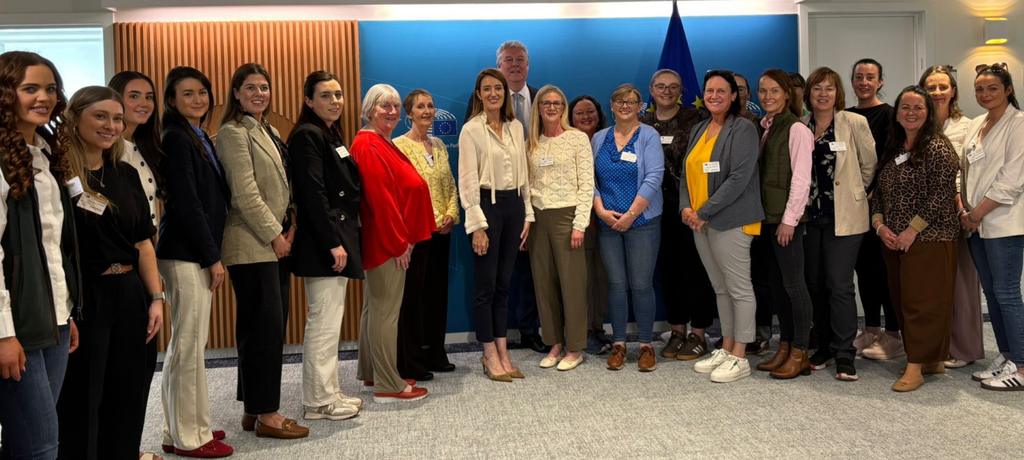
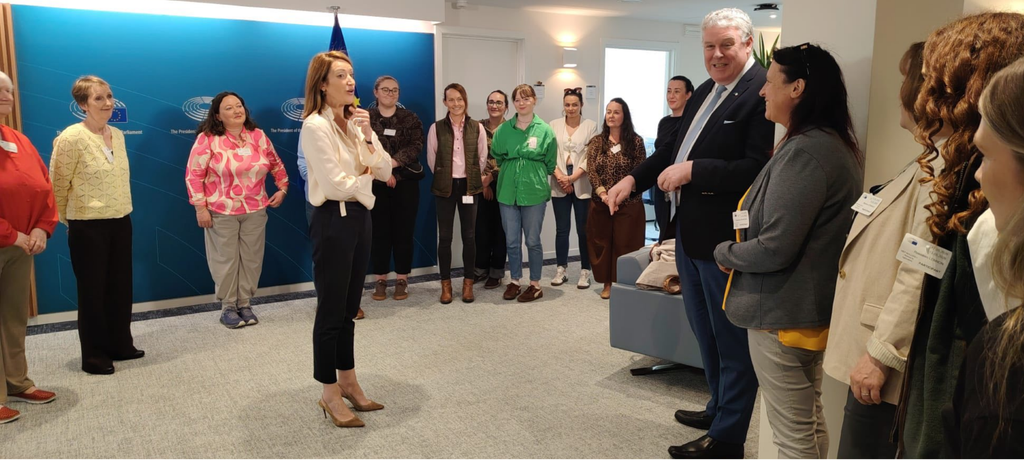
During the visit, the group met with president of the European Parliament Roberta Metsola for what MEP Mullooly described as a “very informative and meaningful discussion” on the role of women in agriculture and rural communities.
The group also held a dedicated meeting with representatives from the European Commission’s Directorate-General for Agriculture and Rural Development.
The discussion made such an impression that commission officials returned to the parliament the following day for a further two-hour session with the delegation.
Farming experience
Mullooly said the response from the commission "showed the value of bringing real farming experience directly into the European institutions".
“These Roscommon women, along with their colleagues from Longford, Galway and Clare, did not come to Brussels with theory. They came with real lived experience from farms, families and rural communities,” Mullooly said.
“They spoke about succession, training, access to funding, grants, recognition, farm viability and the very tough choices women in agriculture are making every day.
"What struck everyone in the room was the reality of the workload.
"Some of these women are not only farming, but also working 40 hours a week off-farm in order to keep the farm viable for their family’s future.
"That is the reality European policy has to understand."
The engagement with the commission included Maria Gafo Gomez-Zamalloa, head of unit for social sustainability in DG AGRI, whose work covers social sustainability, generational renewal, rural development and social inclusion.
The second-day session included Elena Schubert, deputy equality coordinator in DG AGRI and a member of the social sustainability unit, and Claire Sinsch from DG AGRI’s communication unit.
“The commission heard directly from women who are doing vital work on farms, in households, in rural communities and in agri-businesses,” Mullooly said.
“They heard about women carrying major workloads, supporting family income, keeping farms going, making difficult financial decisions and still trying to plan for the next generation."
Mr Mullooly said the key achievement of the visit was that the women’s voices were heard directly by those involved in shaping EU agricultural policy.
“This was not just a courtesy visit. These women were listened to,” he said.
“Their words, their examples and their lived experience will now feed into the commission’s thinking on future policies and initiatives for women in agriculture.
"That matters, because policy must be shaped by the people who are actually living the challenges on the ground."
Mullooly said the visit showed that Irish women in agriculture have a major role to play in shaping the future of farming.
“If Europe is serious about generational renewal, food security and the survival of family farming, women must be fully recognised, fully supported and fully included,” he said.
“The message from this group was clear: women in agriculture are not on the margins of farming. They are central to its future.”