Explainer: Brazilian beef - deal or no deal?


The phrase 'round the house and mind the dresser' may come to mind when critiquing the EU's back-and-forth decision-making on the Mercosur Trade Deal.
Just 11 days after the EU-Mercosur trade deal provisionally came info effect, and 27 years after the trade deal negotiations were first launched, the EU has backtracked on its decision to import Brazilian 'products of animal origin'.
The deal was provisionally applied on May 1 but the EU has now excluded Brazilian beef from entering into the EU with effect from September 3.
The situation first unfolded on Tuesday (May 12), as the European Commission published an "updated list of third countries authorised to export food-producing animals and animal products to the EU", with "third countries" referring to countries outside of the EU.
This list, which features 92 countries, failed to include Brazil, although the other countries included in the Mercosur-trade deal, Argentina, Paraguay and Uruguay, are included.
Under the European Commission's document:
- Argentina can export bovine, ovine/caprine, equine, poultry, aquaculture, milk, eggs, rabbit, farmed game, honey and casings into the EU.
- Uruguay can export bovine, ovine/caprine, equine, aquaculture, milk, honey and casings into the EU.
- Paraguay can only export bovine and casings into the EU.
Antimicrobial resistance
The list was developed to support the EU's action against the use of antimicrobials in the food chain.
In the EU, the use of antimicrobials in livestock for growth or yield purposes is not allowed, nor can animals be treated with antimicrobials reserved for human infections.
Regulation 2019/6 states: "Antimicrobial medicinal products shall not be applied routinely nor used to compensate for poor hygiene, inadequate animal husbandry or lack of care, or to compensate for poor farm management.
"Antimicrobial medicinal products shall not be used in animals for the purpose of promoting growth nor to increase yield."
The EU's ban on antibiotics as growth promoters in animal feed came into effect on January 1, 2006.
Before this, antibiotics had been widely used in animal production for decades as they were known to improve growth performance.
However, the commission decided to ultimately ban the marketing and use of antibiotics as growth promoters due to "their over-exploitation or misuse".
Human health
The World Health Organisation (WHO) describes antimicrobial resistance (AMR) as "one of the top global public health and development threats".
It estimates that "bacterial AMR was directly responsible for 1.27 million global deaths in 2019 and contributed to 4.95 million deaths".
"The misuse and overuse of antimicrobials in humans, animals and plants are the main drivers in the development of drug-resistant pathogens."
The WHO stated that AMR affects countries in all regions and at all income levels.
"Its drivers and consequences are exacerbated by poverty and inequality, and low- and middle-income countries are most affected," it added.
The figures
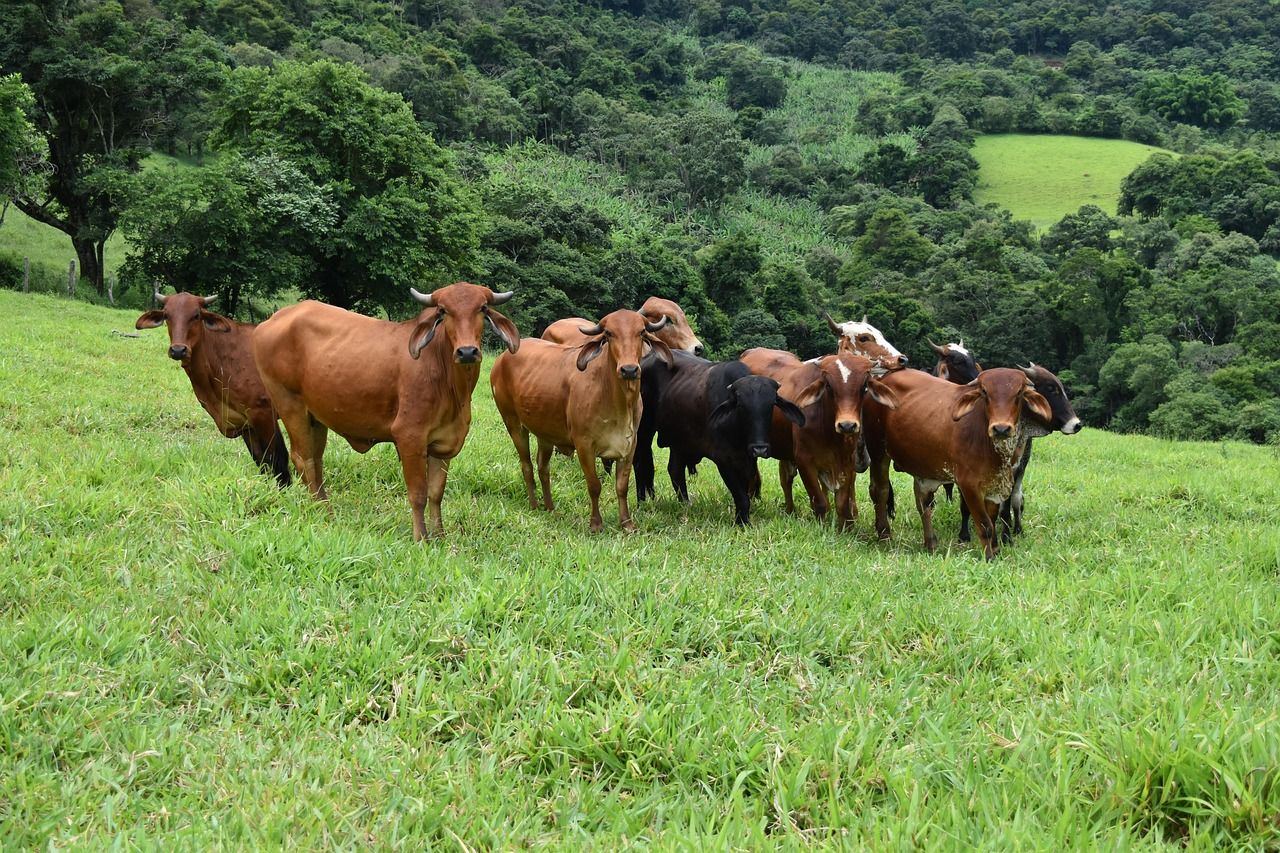
Brazil dominates beef production in the Mercosur region. According to the European Commission, in 2023:
- Brazil produced 11.2 million tonnes of beef;
- Argentina produced 3.3 million tonnes of beef;
- Uruguay produced 600,000t of beef;
- Paraguay produced 500,000t of beef.
Central Statistics Office (CSO) data showed that 172t of Brazilian beef was imported into Ireland in 2025, the highest figure reported in a decade.
This week's announcement could imply that importing meat produced under less strict AMR rules could potentially undermine the EU's work on "safeguarding the health of EU citizens".
The fact that the other three nations are still included in the import list suggests the antimicrobial issue is not structural to the entire Mercosur deal, but specific to Brazil's regulations around antimicrobial use.
Under the EU-Mercosur trade deal, 99,000t of beef from the Mercosur region will be subject to a reduced tariff rate of 7.5% that will be phased in over six years.
Brazilian response
In response to the EU's publication of the import list, the Brazilian government issued a statement on its website (translated), expressing that it "was surprised to hear that Brazil had been removed from the list of countries authorised to export animal products for human consumption to the European Union".
"It is worth noting that, at the moment, Brazilian exports of animal products continue normally."
The Brazilian government said it will "promptly take all necessary measures to reverse this decision, return to the list of authorised countries, and guarantee the flow of sales of these products to the European market, to which [Brazil] has exported for 40 years".
The government added that Brazil possesses "a robust and internationally recognised sanitary system".
"Brazil is the world's largest exporter of animal protein and the main supplier of agricultural products to the European market."
The Brazilian government went on to say that the head of the Brazilian delegation to the EU had scheduled a meeting with the EU's "sanitary authorities" for Wednesday (May 13) to "seek explanations for the decision".
Implementation
A spokesperson for the European Commission told Agriland that the import list will take effect from September 3 this year.
The spokesperson added that in order for Brazilian animal products to regain access to the EU "Brazil must ensure compliance with the Union requirements on the use of antimicrobials for the entire lifetime of the animals that the exported products originate from".
The spokesperson outlined that the commission has "closely engaged with the Brazilian authorities on this issue and will continue contact to work towards their compliance with these requirements.
"Once compliance is demonstrated, the EU will be able to authorise/resume the exports," it stated.
Brazil must now prove its antimicrobial compliance in order to retain access to its third most important export market - the EU.