ICMSA stocking rate proposal 'should be binned' - ICSA

The Irish Cattle and Sheep Farmers' Association (ICSA) has criticised a proposal on stocking rates for the next Common Agricultural Policy (CAP).
As negotiations continue on the shape of the CAP post 2027, the Irish Creamery Milk Suppliers' Association (ICMSA) has proposed a definition of an active farmer.
ICMSA president Denis Drennan said CAP "must be firmly focused on active farmers producing food in a sustainable manner".
"By active farmers ICMSA means a minimum 1 livestock unit (LU) per hectare stocking density," he said.
ICSA
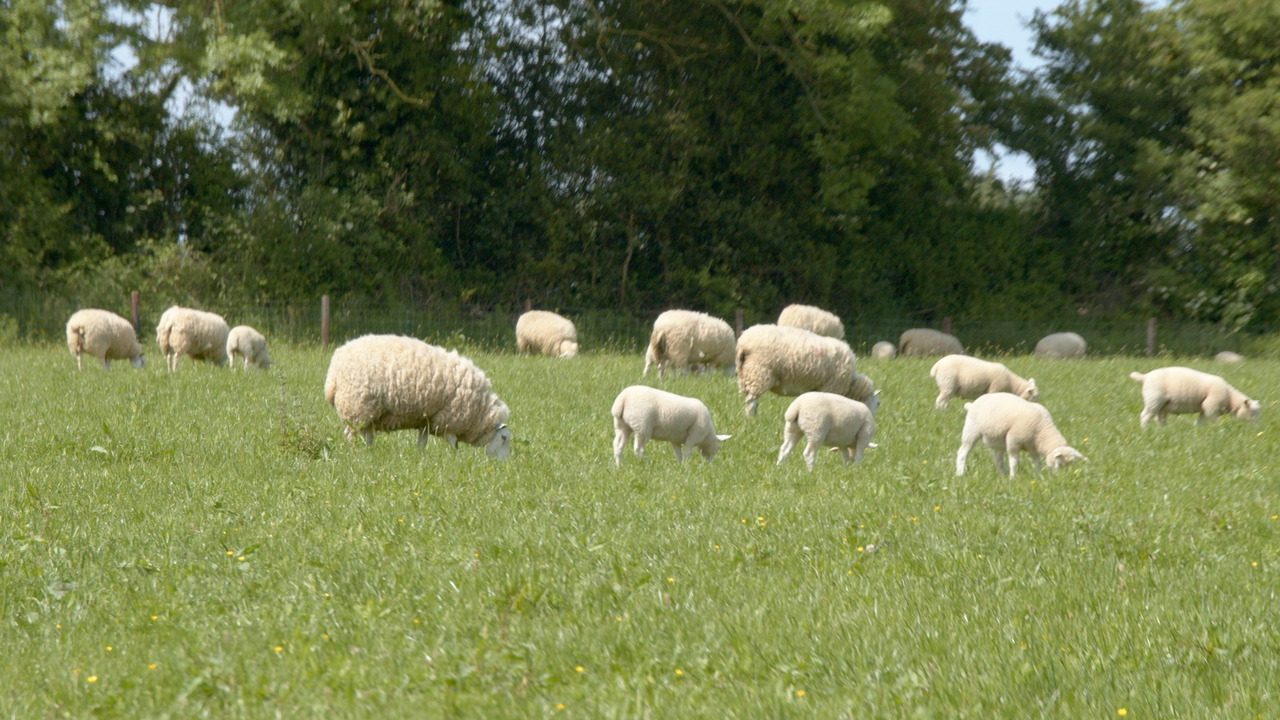
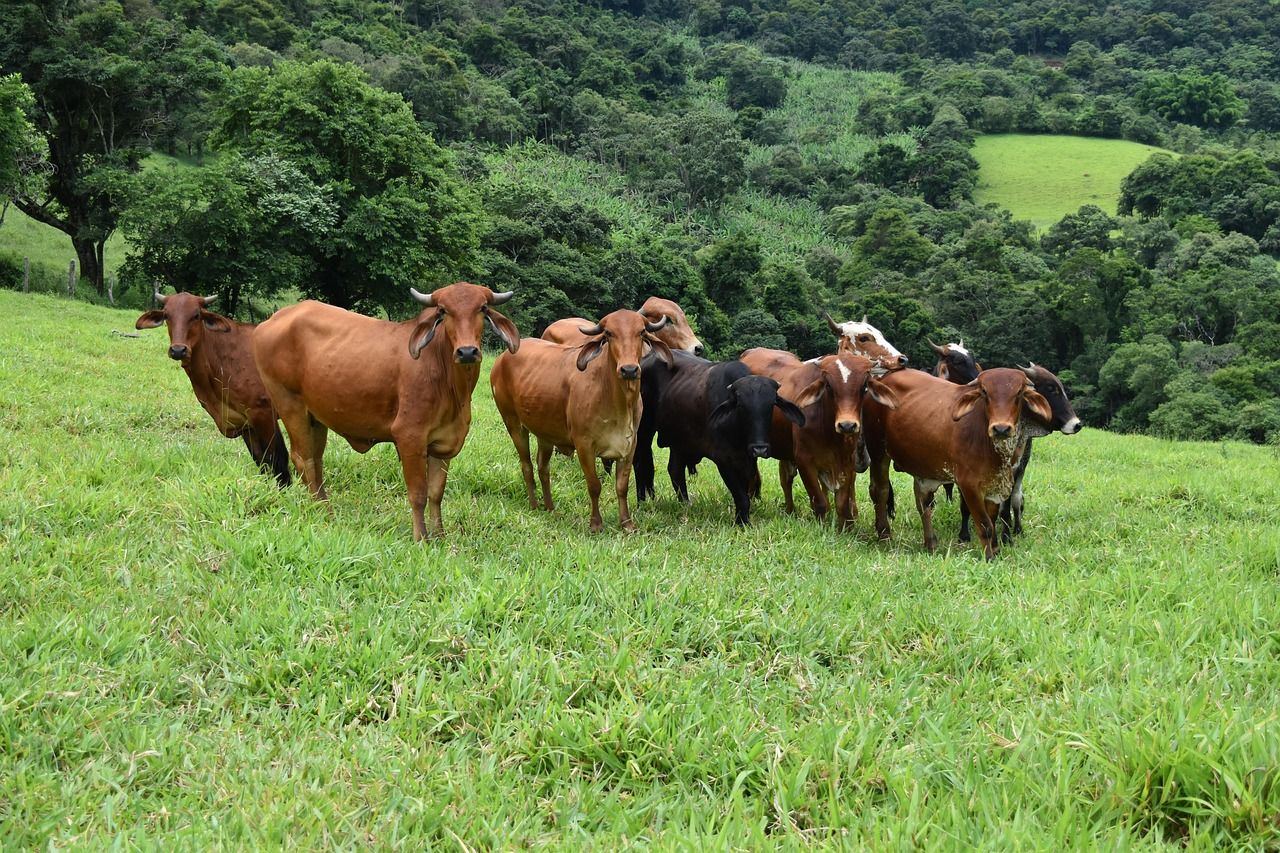
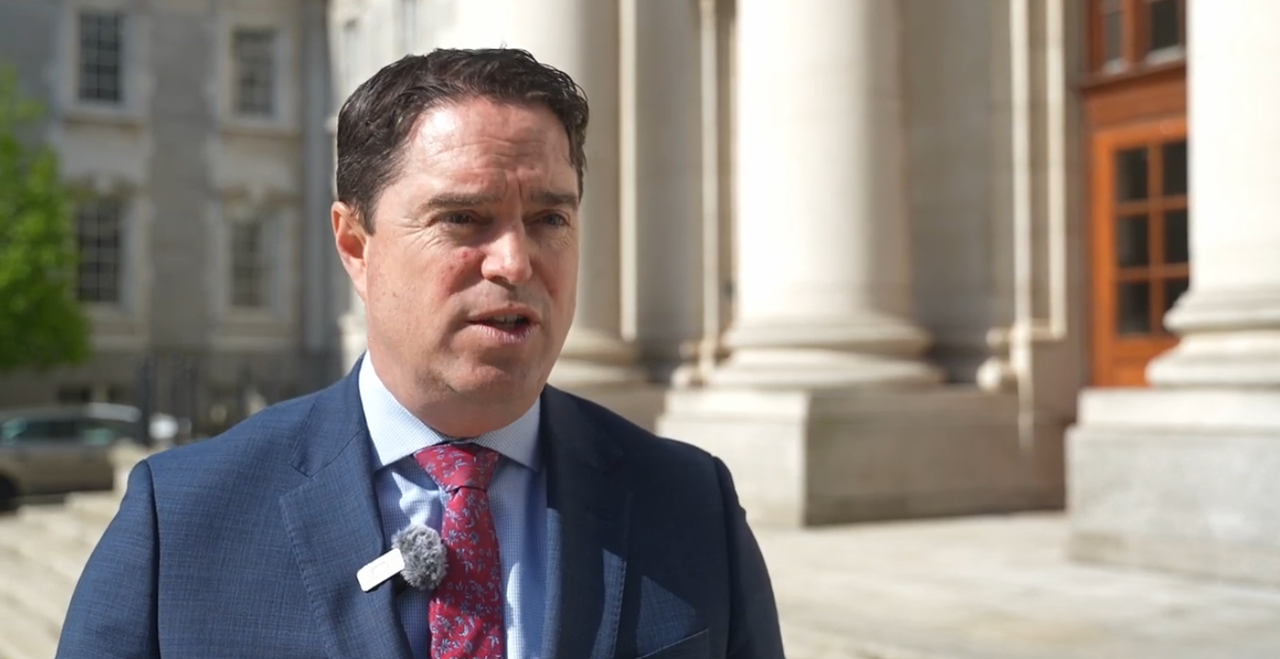
However, ICSA rural development chair Edmond Phelan said a proposal to introduce a 1LU/ha minimum stocking rate for CAP eligibility would "unfairly penalise thousands of genuine drystock farmers on marginal land".
"The current CAP threshold is 0.1LU/ha, so increasing it to 1LU/ha would represent a ten-fold increase that would effectively leave thousands of suckler, sheep and drystock farmers without any CAP payment whatsoever.
"The proposal should be binned,” he said.
Phelan said many farmers, particularly in western and upland areas, are farming land that simply cannot sustain that level of stocking intensity.
"These are genuine food producers operating in some of the most difficult farming conditions in the country.
"To suggest they are somehow less deserving of support because they farm extensively is completely wrong," he said.
Stocking rate
Phelan added that excluding lower-stocked farms from support would have serious implications for rural Ireland.
"These farms are keeping land actively farmed, supporting rural communities and producing quality beef and lamb in areas where farming options are already limited.
"Generational renewal will not be helped by pushing more family farms towards unviability," he said.
The ICSA rural development chair decribed the proposal as "deeply divisive" and highlighted the importance of drystock farmers standing together in future CAP negotiations.
"There is no future in one sector of farming trying to advance itself at the expense of another.
"CAP must recognise the value of extensive drystock farming systems and the contribution they make both economically and environmentally," he said.