Heydon welcomes removal of Brazilian animal products from EU import list

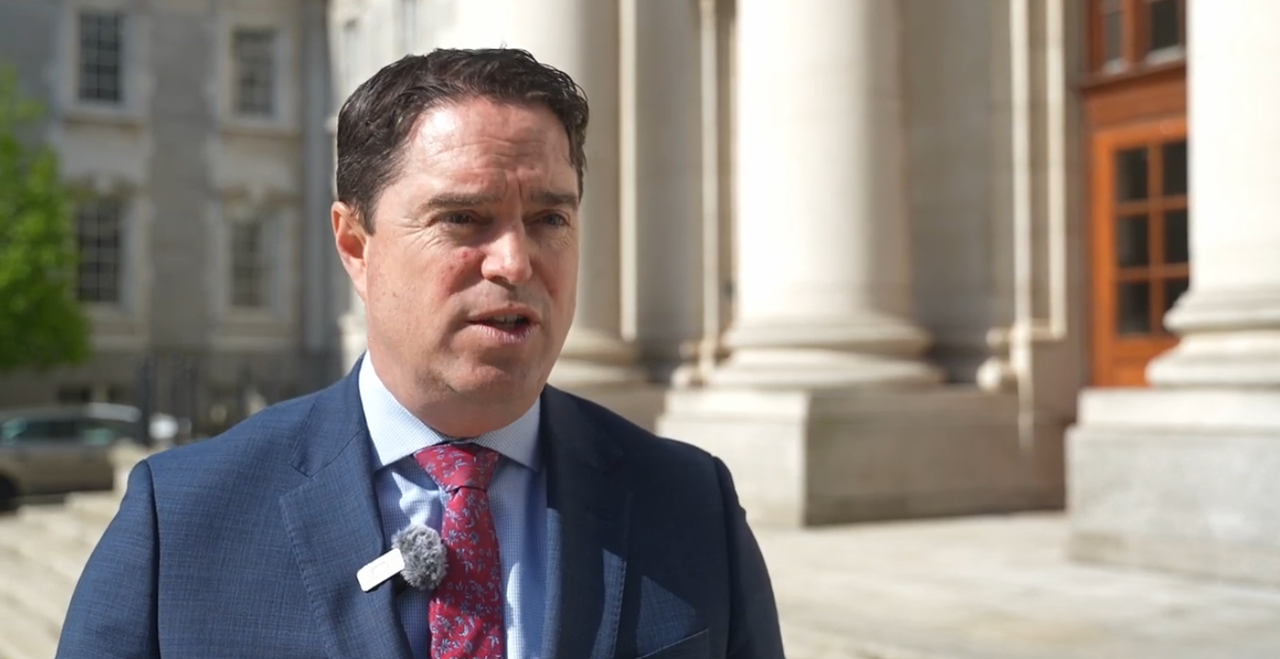
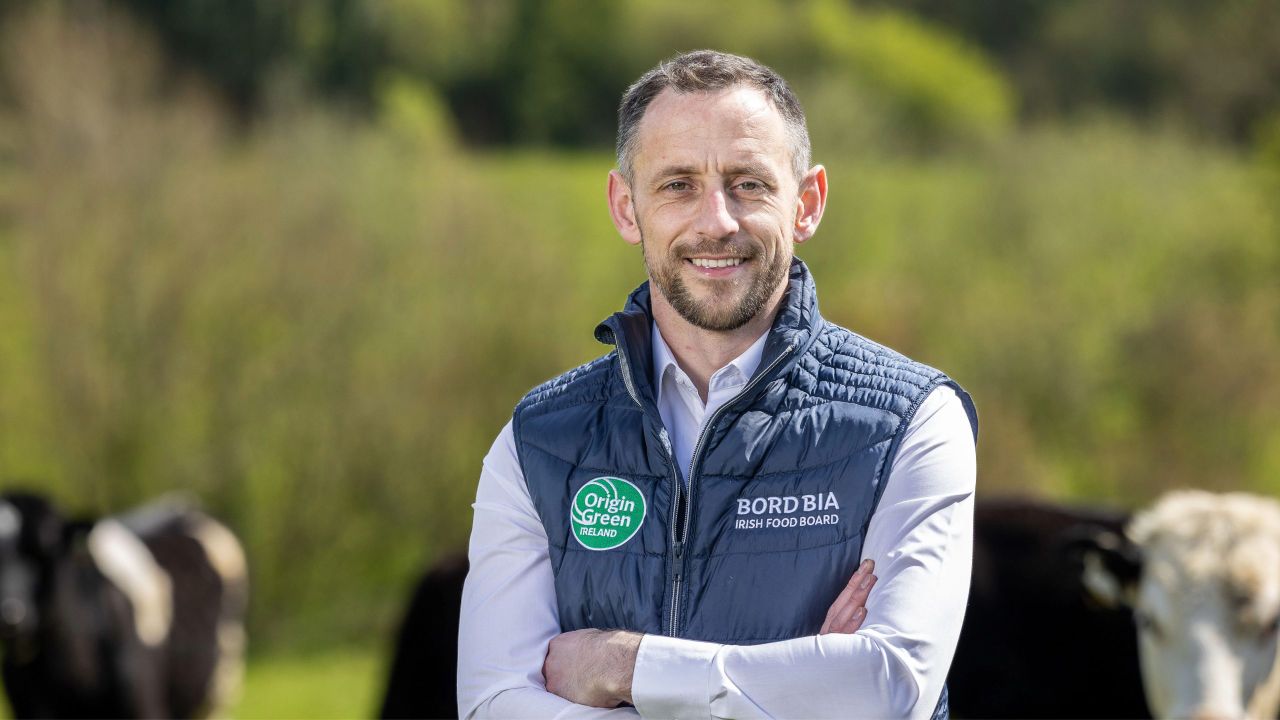
The Minister for Agriculture, Food and the Marine, Martin Heydon, told the Dáil today (Thursday May 14) that he welcomes "the removal of Brazil" from a critical EU import list.
The European Commission confirmed earlier this week that Brazil will no longer be authorised to export a range of animal products to the EU from September 3.
Following a vote by member states, the commission released an 'updated list of third countries authorised to export food-producing animals and animal products to the EU.'
The countries on the list have proven their compliance with the EU restrictions on antimicrobial use in food-producing animals.
Minister Heydon outlined that the removal of Brazil from this list is "a result of the pressure that [he and his] other colleagues on the Council of Ministers [had] been bringing to bear."
The minister said he had attended a meeting in January with the EU Commissioner for Trade, Maroš Šefčovič, the EU Commissioner for Agriculture, Christophe Hansen and the EU Commissioner for Animal Health and Welfare, Olivér Várhelyi.
At this meeting, Minister Heydon said he had made it "very clear" what Ireland's position is in relation to compliance with EU standards.
"We have always said the SPS (Sanitary and Phytosanitary Measures) food safety standards regarding imported beef coming into Europe is non-negotiable," the minister stated.
He said in terms of the EU-Mercosur trade deal, the issues that arose were in relation to "environmental challenges."
"But from the perspective of food safety, antimicrobial resistance and beyond, that is non-negotiable in Europe.
"We saw products being found, being recalled, and we now see this move being made.
"Which is very, very important, and one that I very much support." Minister Heydon stated.
According to the minister the "ban has been brought in straight away".
"The removal from the list has been straight away, and that's how that process works."
"It is a clear indication to the Brazilians that if the standards that they've been bringing in, that we've highlighted in terms of our concern with them, are not acceptable here.
"And product being found here that has traces of antibiotics and beyond in it is not acceptable to us and won't be into the future" he added.
Brazil
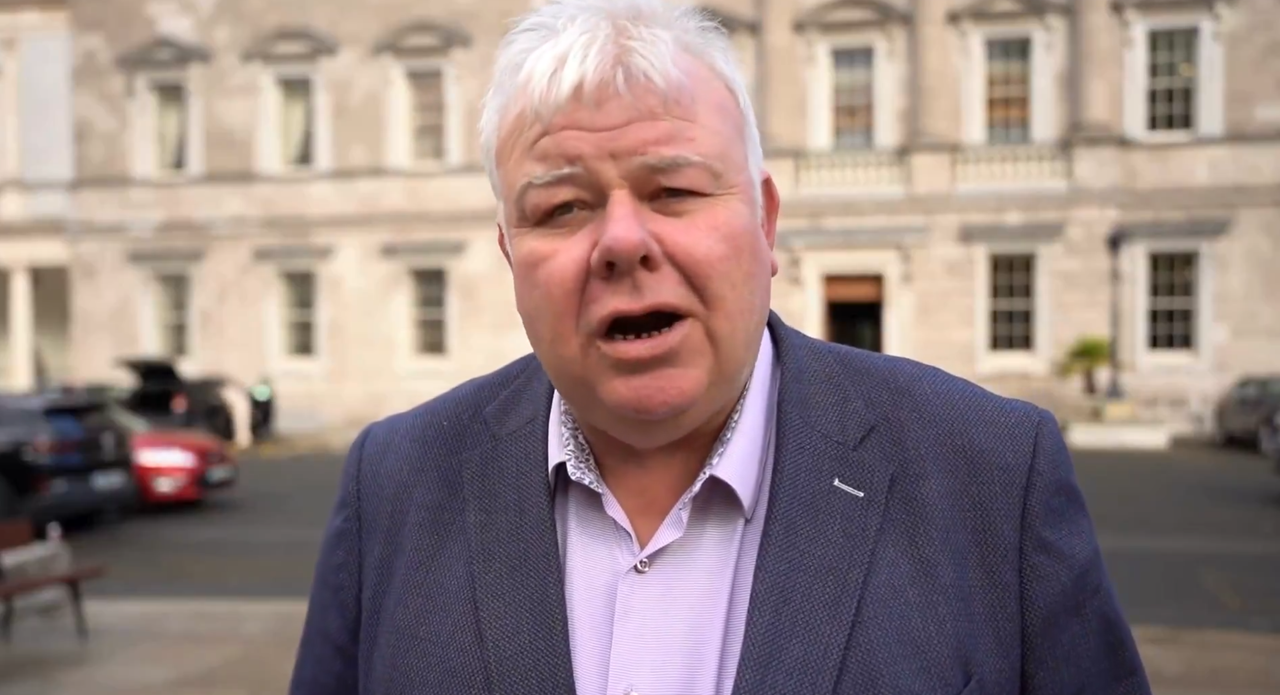
Also speaking in the Dáil today the Sinn Féin spokesperson for Agriculture, Food, Fisheries, and the Marine, Martin Kenny, said that "the product that has been coming in from Brazil is way below standard".
"The big problem with it all is about traceability, that there's no traceability whatsoever in Brazil when it comes to production of beef.
"In Brazil a person can walk in, can buy antibiotics, can buy hormones across the counter and can administer the animals, and there's no traceability as to how that happens.
"And that means that it's really an open season on it" Deputy Kenny said.
He also highlighted concerns that "beef is going to come in from particular factories to comply with European standards or from particular farms to comply with European standards".
"The problem is there's no way of judging that. There's no way of guaranteeing that.
"I welcome the European Union accepting that point and therefore removing Brazil from the list.
"However we are still in a situation where I understand that there is going to come product in from Brazil continually until September," Deputy Kenny added.
He said that needs to "be dealt with" because Irish farming is "under pressure" and beef production is "absolutely vital" to the Irish rural economy.
Irish Exports
During the Dáil debate today Minister Heydon also outlined that Ireland exported "almost 458,000 tonnes of beef in 2025."
He said it was an "absolute colossal figure when you think of the scale of the industry and what it's worth to our overall economy."
Minister Heydon said according to the Central Statistics Office (CSO), that "although the volume of exports was lower than in recent years, the total value of primary beef exports increased by €542 million, or 17%, to reach a record €3.6 billion."
He added: "Whereas volumes to the UK were 6% lower in 2025 compared to 2024, the value of those shipments grew by more than €274 million, or 19%.
"Similarly the value of consignments to other EU markets increased substantially by almost €313 million, or 21%, in 2025, when volumes recorded a modest 2% decline relative to 2024."
The minister highlighted the importance of the UK market for Irish exports as he outlined, the country accounted for 47% to 49% of exports by value.
He said "other international markets accounted for 11% export volume, but 5% of total value."
Food Vision 2030
"Food Vision 2030, the industry-led strategy for the agri-food sector, aims to increase the value of agri-food products, including beef", Minister Heydon outlined.
He said the ambition of the strategy is "to build on sustainable value growth by supporting agri-food exports and continue to develop market opportunities at home and abroad."
Minister Heydon believes "the figures clearly indicate the success of Food Vision 2030 in achieving that."
Schemes
The Minister for Agriculture, Food and the Marine also told the Dáil today that he has "ensured that farmers can continue to improve the competitiveness and productivity of their suckler, dairy, beef and mixed enterprises through a record level of national and EU co-funding supports."
He said he is providing "over €83 million in direct targeted supports for the suckler sector in 2026."
"In addition to the ongoing Suckler Carbon Efficiency Programme, which is worth over €51 million annually to participants, the National Dairy Beef Weighing Scheme is currently open for applications and the 2026 Beef Welfare Scheme will open in mid-August.
"The Dairy Weighing Scheme supported 18,300 farmers last year and had a budget of €4 million in 2026 and the Beef Welfare Scheme supported 24,500 farmers, had a budget of €28 million in 2026," Minister Heydon said.