Considering cell counts ahead of breeding

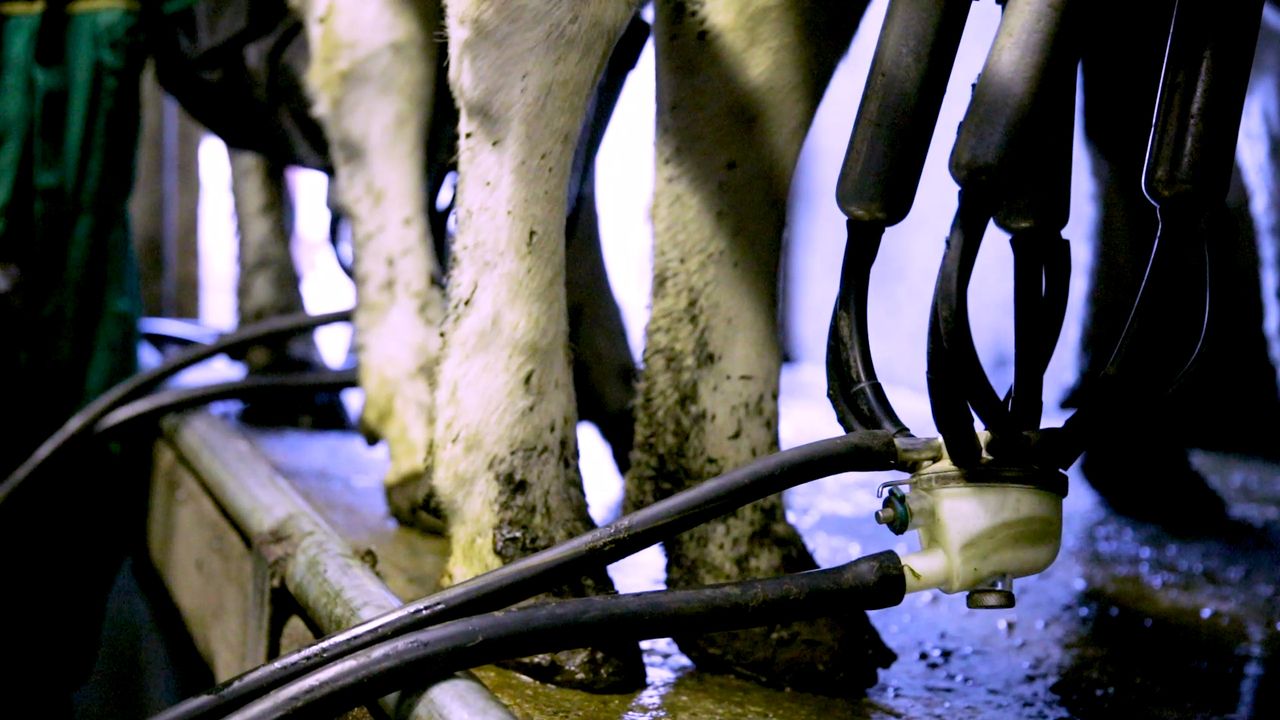
As the last of the cows calve down, identifying any high cell count ones will be critical in the lead-up to the breeding season.
With much of the herd reaching peak lactation, farmers will be more concerned about driving on milk production through optimum dry matter intake (DMI).
However, it is important not to take your eye off the ball in terms of high somatic cell counts (SCC) and problem cows.
The importance of a milk recording can never understated. Farmers who have not yet done one this season should be aiming to get it done within the next fortnight.
Ideally the first recording should take place within 60 days after the start of calving to get an understanding on how dry-off and the dry period went, but it is not too late to do it now if that did not happen.
The data from the milk recording will identify problem cows in the herd who have high cell counts.
Problem cows can be identified by looking back on past recording to highlight any that are consistently having issues with their cell counts.
This will help farmers determine which cows are and are not suitable for breeding replacements, especially if using sexed semen.
If the milk recording has already been completed, you should have time to intervene and manage any problems, potentially nominating problem cows for beef straws or culling.
High cell count cows
If there are cows in the herd that are constantly causing problems or chronically infected, they should ideally be culled to stop them from spreading infection across the whole herd.
While factory prices are back, prices are still relatively good compared to other years, so it might be a good option to cut your losses with these cows.
However, it is always important to consider if you will have enough replacements to make up for them, as well as ensuring your nitrates banding is not affected.
Not all infected cows can be culled from the herd, but the worst of them and the repeat offenders should really be culled.
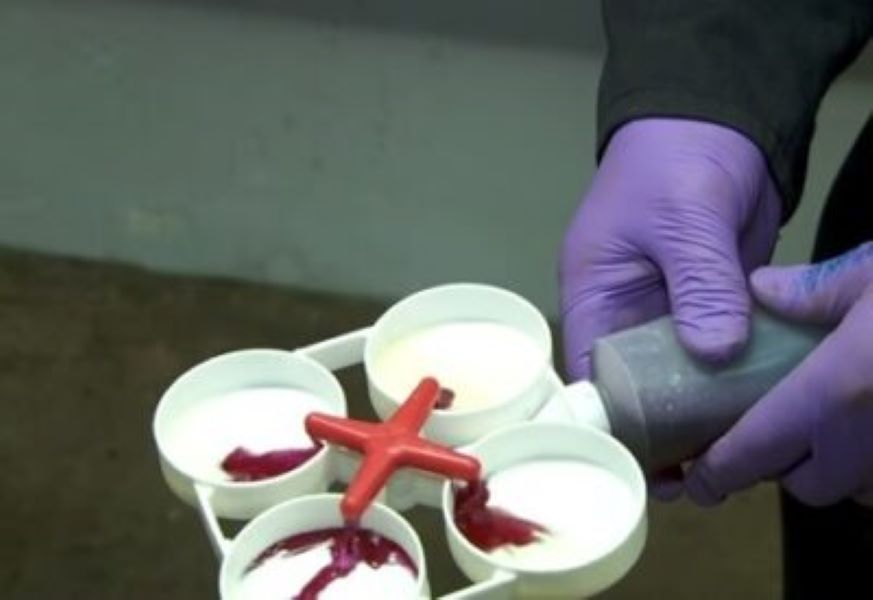
Cows with high SCC you plan to remain in the herd should be inspected and the quarter identified using a Californian mastitis test (CMT), with the infected quarter treated accordingly after consulting your vet.
A culture and sensitivity test is also a good place to start as, with these infected quarters, it is important to see what bacteria is causing the issues on the farm.
Ideally these high cell count cows should be milked last to stop the spread of infection from cluster to cluster,; however, that is not always possible which means clusters will have to disinfected with peracetic solution after milking the infected cow.
The next five cows to use that cluster could pick up the infection if the acid is not used to disinfect the cluster. This can be done through cluster dipping, making sure it is the right concentration and only used for six to seven dips.
Many farmers in recent years have added in cluster flush into their milking machine, which rinses through peracetic acid after every cow milked.
The point is, get a milk recording done as soon as possible so you know what you are dealing with in the herd and replace these problem cows if you can at all, as the potential disruption these infected cows can have on your herd is often underestimated.