Calf registrations running 21,000 head above 2025 figures

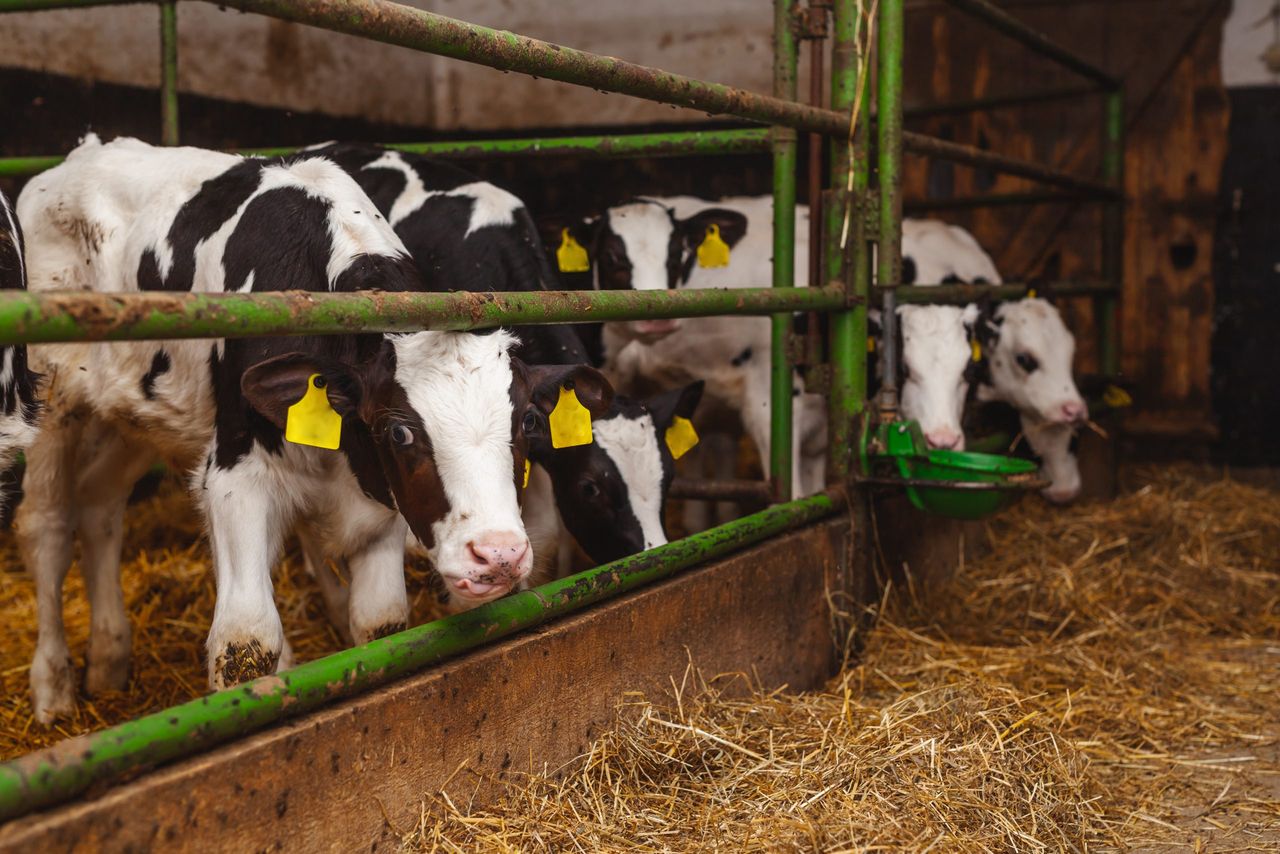
The total number of Irish calves registered in 2026 is running more 21,000 head above last year's figures as of Friday, April 17.
1,517,397 calves have been registered to date this year, versus the 1,495,722 which were registered in the same time period last year, according to the Irish Cattle Breeding Federation (ICBF) database.
The trend has been seen across the board, with both dairy and beef registrations up on last year's figures.
However, considering it was running 36,000 head above last year's figures in March, the gap is clearly closing in line with the end of spring calving, as the weekly amount of calves registered to dairy animals dips significantly.
Calf registrations
In the last week alone, 56,668 calves were registered to dairy dams, bringing the total amount of dairy calves registered to 1,243,593.
However, dairy registrations have once again steadied out, falling into line with 2025 figures, with only 330 head of a difference for the week.
Meanwhile, calves registered to beef dams are also above last year's figures on a weekly basis, and therefore above on total registrations too.
There were 33,184 calves registered to beef dams in the last week, which is 513 more than the same week in 2025.
The total figure for calves registered to beef dams has reached 273,526, which is 8,414 more than what was registered by the same time last year.
NGP
In terms of the National Genotyping Programme (NGP), things are beginning to slow down there too.
According to ICBF, 33,519 calf samples were received in the lab last week.
This figure is well off the peak, with the lab seeing two consecutive record-breaking weeks back in mid February.
During these weeks, 118,000 samples were being received in the lab, with 116,000 samples processed being processed.
Last week, 36,885 calf samples were processed in the lab, spending an average of four days there.
The average turnaround time from birth to the passport being issued has stretched to 18.1 days, as samples are now taking 10.6 days to get to the lab after the calf is born.