Beat The Parasites


This change comes at an important time. Unpredictable weather patterns, delayed spring turnout, and increasing uncertainty around parasite risk makes whole-group dosing less effective, and potentially unnecessary.
According to Peter Howard, veterinary adviser at Boehringer Ingelheim, involving the farm’s vet in parasite planning can help protect both animal performance and the long-term effectiveness of wormers.
Resistance is becoming a real threat
For years, many farms relied on routine seasonal, timed treatments, or whole-group dosing.
But growing levels of wormer resistance mean that approach is no longer sustainable.
Howard said: “We cannot expect new wormers to be launched every few years.
“That is why it is essential that we use the products we have today in the most responsible way possible.”
Developing new antiparasitic products can take more than a decade, while tighter regulations around environmental impact and food safety are making innovation increasingly difficult.
As a result, protecting the effectiveness of existing products is now a major priority for the Irish livestock sector.
Routine dosing is less reliable
In seasons where turnout has been delayed, or with unusually high or low temperatures, parasite challenges may not follow normal patterns.
Grass growth, stocking rates and grazing rotations can all influence when cattle are exposed to worms.
This makes routine calendar-based dosing less reliable.
Instead, farmers are being encouraged to monitor parasite burdens and treat only when animals are likely to benefit.
“Sustainable parasite control relies on using treatments strategically rather than routinely,” Howard said.
Since December 1, 2025 all antiparasitic medicines require a veterinary prescription, which means cattle, sheep and dairy farmers need to work more closely with their vets to get the right treatment for worms, fluke, and other parasites.
One of the simplest ways for farmers to assess worm burden is to implement a testing and monitoring regime.
Testing can prevent unnecessary dosing
Regular faecal egg count (FEC) testing in youngstock gives a clearer picture of parasite pressure on farm.
Monitoring is particularly important during the early grazing season, when parasite burdens can quickly rise.
“FECs can help guide treatment decisions, allowing animals to be identified for treatment only when parasite burdens reach levels likely to affect health and performance,” Howard explained.

This targeted approach can avoid unnecessary treatments, helping to reduce labour and medicine costs, and slow the development of resistance.
“With guidance from your farm vet, faecal egg sampling and treatment planning can be built into routine herd management,” Howard suggested.
“It’s often better to hand over the regular testing to your local practice, rather than having to remember to do it yourself, with all the other jobs to get done.”
Correct use is just as important
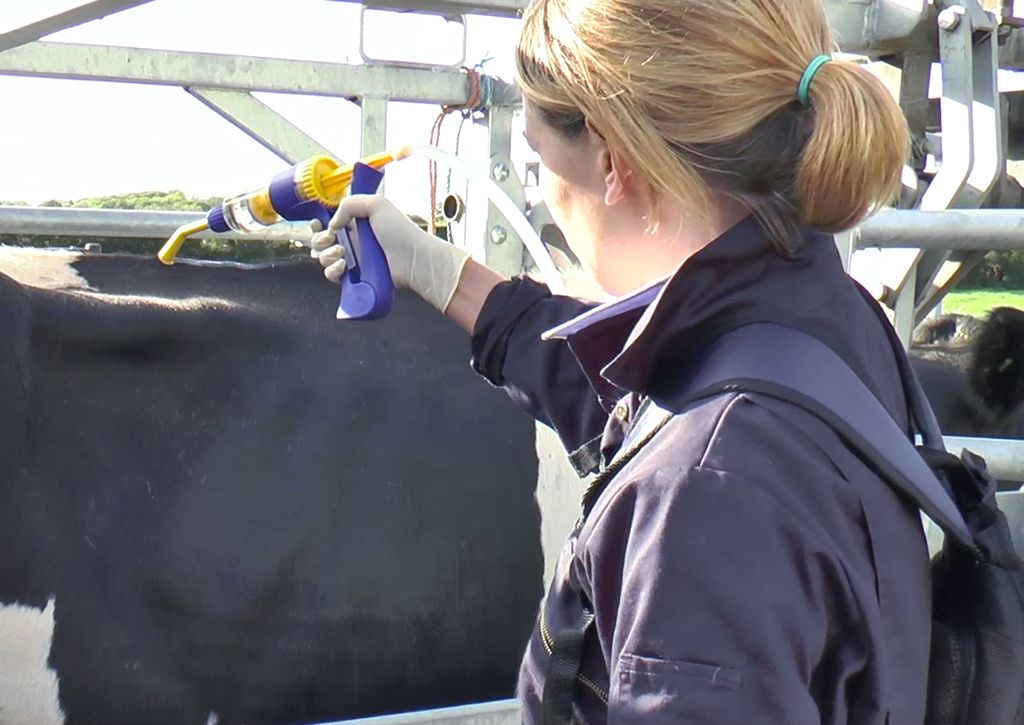
Even when treatment is necessary, getting the application method right is vital.
Under/over dosing, poor calibration or using the wrong product can reduce efficacy and increase the risk of resistance developing.
Using the right product at the right time, and at the correct dose rate, helps maximise performance while protecting the effectiveness of available wormers.
A long-term approach to parasite control
“Sustainable parasite control is not about avoiding wormer treatments altogether. It is about using them more carefully, and only when needed,” Howard stressed.
“By working closely with your farm vet, using faecal egg counts and other tests, and moving away from routine blanket dosing, cattle farmers can maintain animal performance while helping preserve the effectiveness of wormers for the future.”
An educational service from Boehringer Ingelheim Animal Health UK Ltd. Further information available from Boehringer Ingelheim Animal Health UK Ltd, RG12 8YS, UK. ©2026. All rights reserved. Date of preparation: May 2026. UI-RUM-0094-2026. Use Medicines Responsibly.