Book promoting Sitka spruce to be sent to primary schools

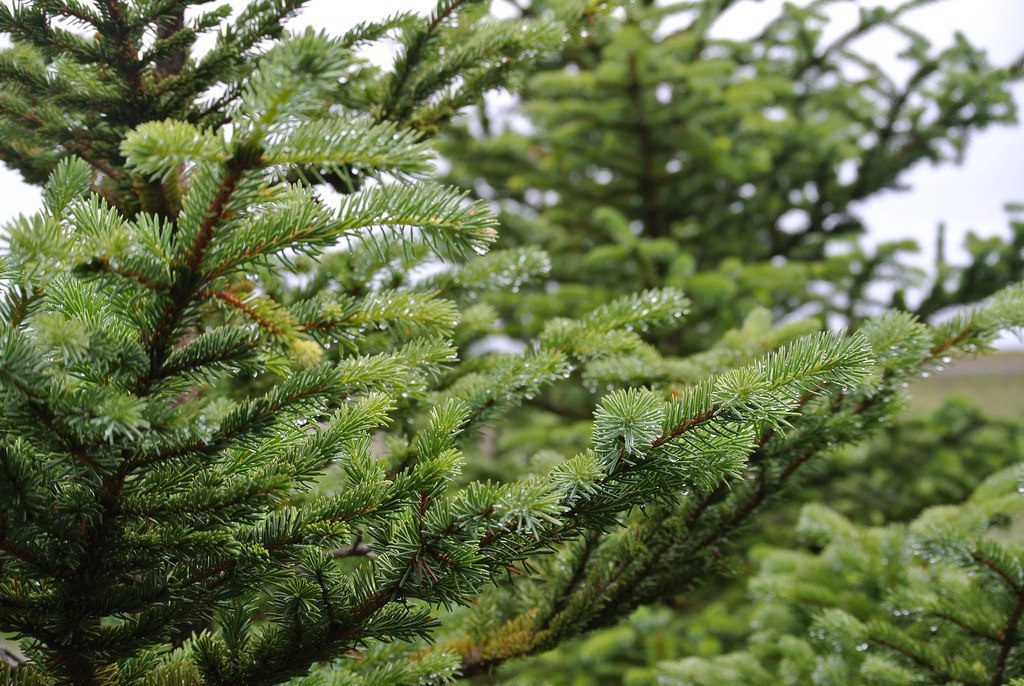
A book aimed at promoting the use of the Sitka spruce tree in Irish forestry will be sent to primary schools around the country.
The book, title Sitka spruce, The Amazing Timber Tree is being delivered to every primary school on the island of Ireland, and is being supported by the Society of Irish Foresters, the Social, Economic Environmental Forestry Association of Ireland (SEEFA), and the Irish Timber Council.
Two copies of the book, along with a digital version including a narrated story with sound effects, are set to be sent to every primary school on the island of Ireland.
The supporters of the initiative say that Sitka spruce is "the most important commercial, environmental and social tree species in Ireland" and claimed it is "also the most misunderstood".
They say that Sitka spruce and other productive tree species "help Ireland produce its own timber for uses like housing, fencing, packaging, energy, and many other daily needs".
"Growing timber locally means Ireland relies less on imported wood, supports jobs in rural areas, and helps the climate by storing carbon in forests and timber products. Using timber also replaces materials that are more carbon intensive," they said.
A statement from these groups announcing the book claimed that foresters, forest owners and timber processors regard Sitka spruce as the most adaptable tree species growing in Ireland, capable of "producing outstanding yields, on a variety of sites including low-nutrient soils and a wide range of end products".
However, the statement noted that other stakeholders regard it as a species that Irish forestry has become too reliant on.
Speaking about the initiative, Teige Ryan, public relations officer (PRO) for SEEFA, said: "The book outlines how Sitka spruce is a vital tree in helping Ireland achieve carbon neutrality but also acknowledges its role in a balanced forestry programme alongside native and naturalised tree species."
Ryan added: "Sitka is mistakenly depicted as the only species in Irish forestry. While dominant, the current forest estate – public and private – comprises 45% Sitka, 16% diverse conifers, 24% native species, 4% non-native broadleaves and 11% mainly open biodiverse forest areas.”
Within this mix, Sitka spruce produces over 90% of "timber and income generation required to drive the forestry and forest products industry", the book initiative supporters said.