Sponsored
A lifetime of experience shaping a high-performing calf system


Sponsored by

Michael Prendergast runs a calf-rearing and finishing enterprise in Co. Tipperary, having stepped away from dairy farming in 2023 after nearly 50 years in milk production.
Although his children have careers of their own, they remain closely involved, lending a hand whenever needed.
He shared: “I’ve always enjoyed working with calves.
“Even when I was dairying, I reared everything myself. It was a natural step to move fully into calf rearing when I finished milking.”
Today, Michael focuses on purchasing and rearing young calves, typically managing between 150 and 180 calves at any one time, depending on the season.
Calves are sourced from two trusted dairy farms, with Michael taking all suitable calves from each herd.
“The key is knowing the calves are well looked after from the start - that they’ve had proper colostrum and good early care”, Michael noted.
While his preference is for Angus calves, the system also includes Friesian, Belgian Blue and other dairy-beef crosses.
This consistent sourcing approach not only simplifies management but also plays an important role in maintaining calf health.
Calf management and early care
Calves arrive on the farm from approximately two weeks-of-age and are introduced into a system built around simplicity, consistency and close observation.
Drawing on decades of experience, Michael places a strong emphasis on getting the basics right.
“You’re relying on simple things done well,” he explained.
“Cleanliness, fresh air, and keeping a close eye on calves - that’s what makes the difference.”
Calves are housed in well-ventilated sheds with early access to an outdoor paddock, allowing them to move freely and benefit from fresh air, which Michael believes is critical to maintaining health.
“They can move in and out freely, even on cold days, which keeps them healthier. Problems start when sheds get stuffy.”
Straw bedding, clean water, and access to concentrates and roughage are provided from the outset to support rumen development and encourage early intakes.
Feeding system and milk replacer
“I saw the automatic feeder and realised it could really improve the system,” Michael said.
“It takes a lot of the pressure off and keeps feeding consistent.”
The automatic feeder is used for most calves, delivering small, frequent feeds throughout the day.
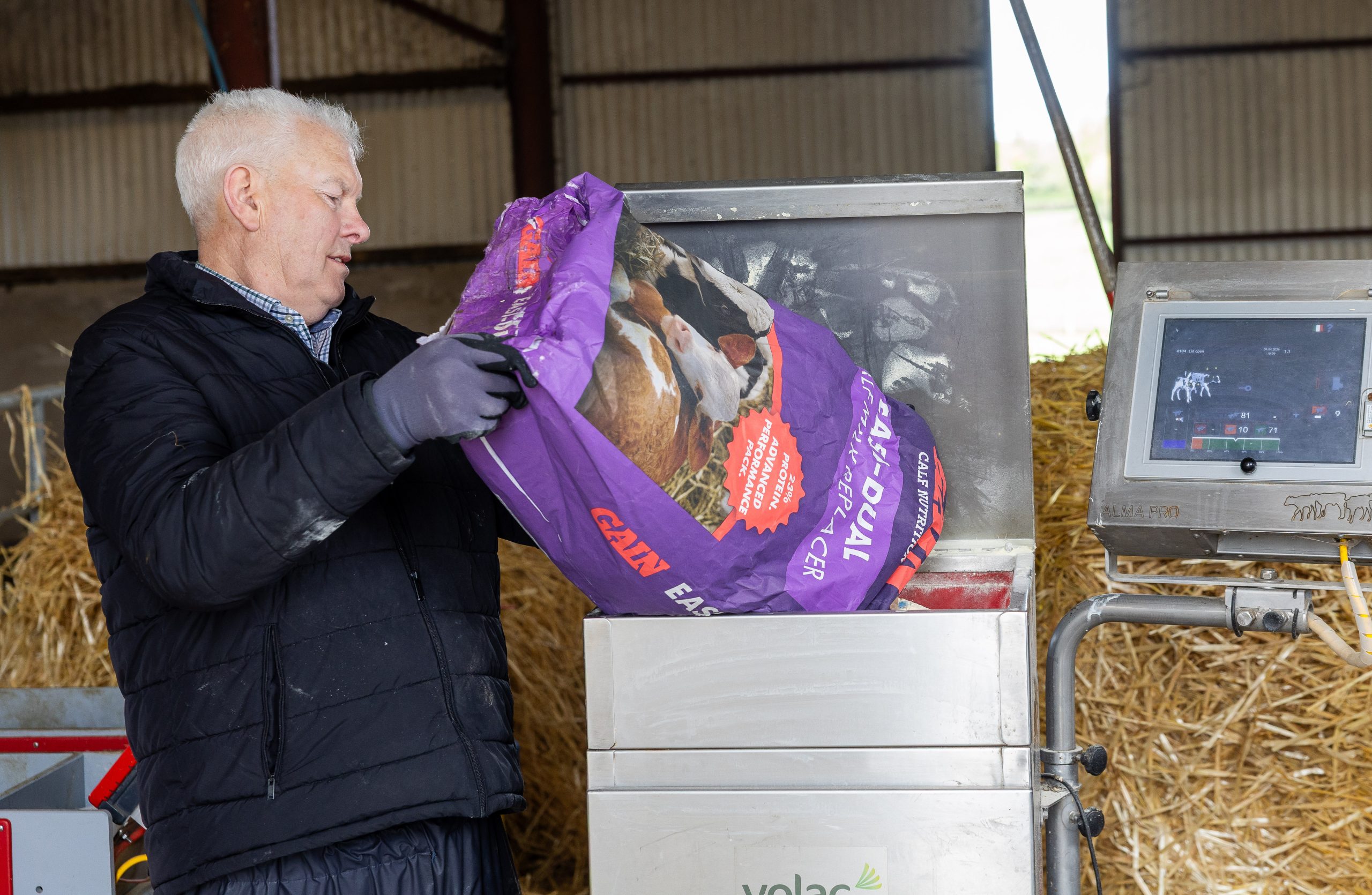
Calves on this system receive milk replacer at a 12.5% mixing rate, with intakes gradually built up as they settle into the group.
“The feeder does a great job of introducing calves slowly and then building them up,” Michael explained.
“They’re getting four smaller feeds a day, which is easier on digestion."
Calves not on the automatic feeder are fed manually, typically receiving 3L twice daily.
After four to five weeks, these calves are moved to once-a-day feeding, with volumes adjusted accordingly.
Across both systems, calves remain on milk replacer for approximately 72 days, with a gradual reduction in feeding levels towards weaning to encourage concentrate intake.
Consistency, performance and health
One of the main advantages Michael sees in feeding GAIN’s Easi-Dual calf milk replacer is the consistency it provides, particularly when compared to whole milk.
“With milk replacer, every calf is getting the same quality feed every day,” he noted.
“There’s no variation like you’d have with transition milk.”
From a biosecurity perspective, the move away from whole milk has also reduced the risk of disease transmission - something Michael became increasingly aware of during his dairy farming years.
“When I was milking cows, that was always a concern,” he shared.
“Using milk replacer removes that risk.”
This consistency is also reflected in performance, with calves reaching their target weights and progressing evenly through the system.
Today, calf health remains strong, with minimal issues reported.
Rather than relying heavily on vaccinations, Michael attributes this to good management, careful sourcing, and maintaining a clean, well-ventilated environment.
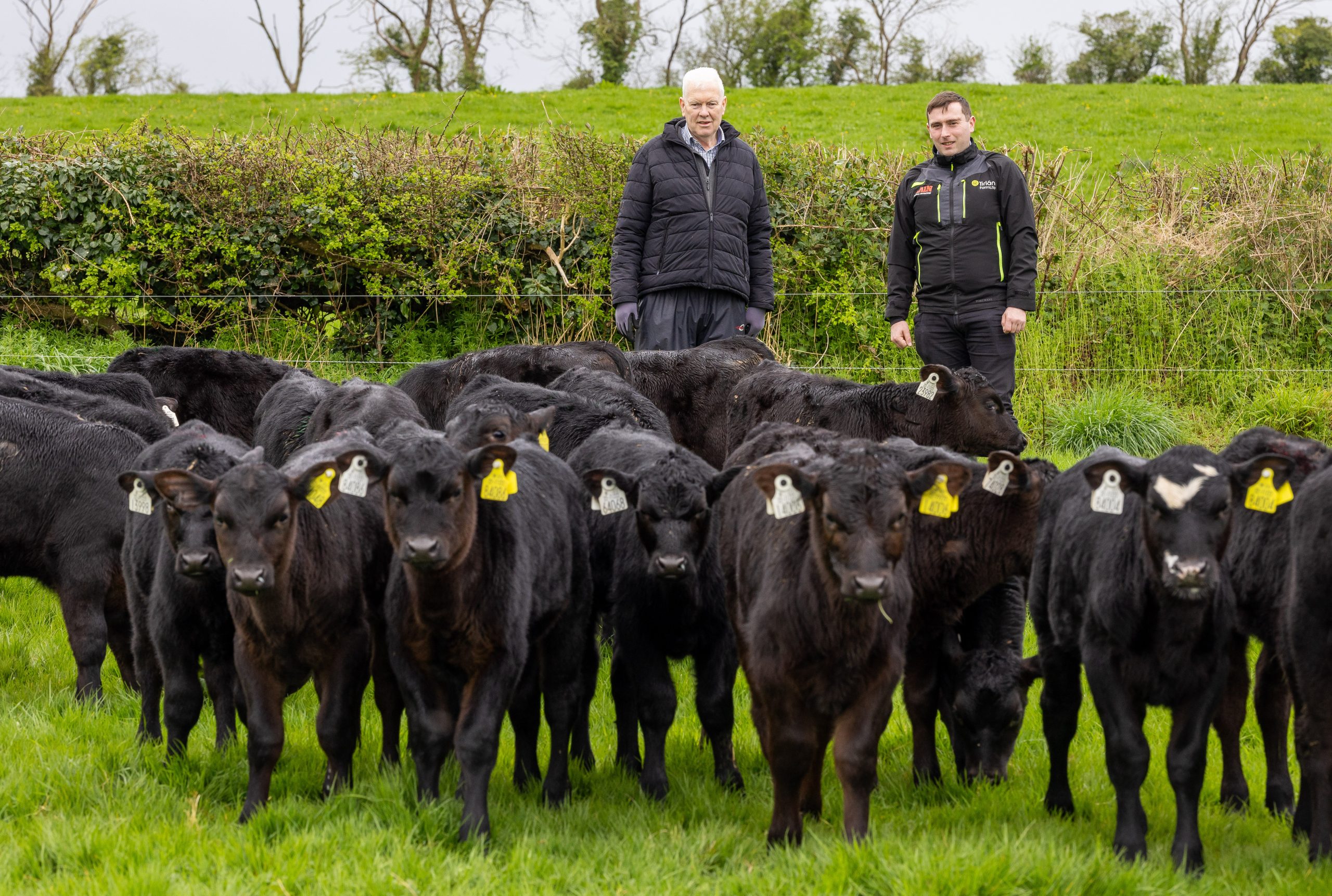
This is further supported by the milk replacer’s formulation, including Digest VO to help protect against coccidiosis andcryptosporidium.
Once weaned, calves are gradually transitioned to grass, with Michael managing a streamlined system that brings cattle through to under 24 months-of-age.
Depending on market conditions, he may finish the cattle on-farm or sell them at an earlier stage.
Technical support and confidence
Michael also works closely with his Tirlán FarmLife Business Manager, Kevin Maher, who provides ongoing advice and support when needed.
“Kevin is always at the end of the phone,” Michael added.
“If there’s ever a question or issue, he’s there to help, and that givesyou confidence in what you’re doing."
Sponsored by


