50% of wild oat issues due to 'genetic resistance to herbicides' - agronomist

The growing resistance of wild oat populations to a range of herbicides is now one of the most significant issues confronting Irish tillage.
What’s more, the problem is equally relevant within winter and spring cropping systems.
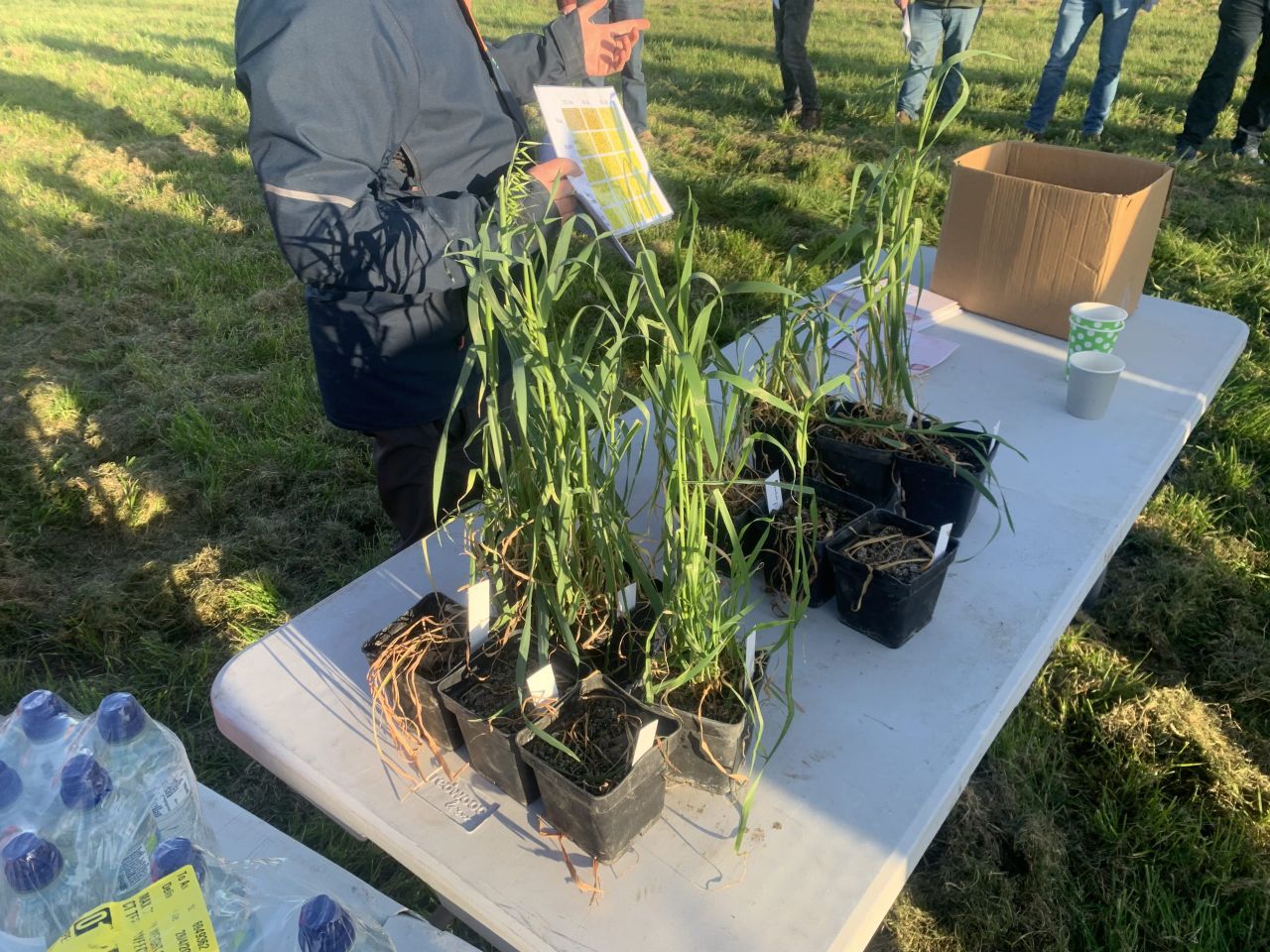
These were two of the main issues discussed at a recent spring crop walk, hosted by Teagasc at the Drummonds’ varietal testing site near Termonfeckin in Co. Louth.
Analysis of wild oat populations has confirmed the development of herbicide resistance traits across all of Ireland’s tillage reasons.
Herbicide resistence
But there is another issue coming into play when it comes to growers getting effective control of wild oats.
Teagasc tillage specialist, Shay Phelan explained. “Approximately 50% of the current problems can be attributed to an inherent genetic resistance to the herbicides being used.
“Adding to this is the improper use of the chemicals being used by growers.
"Issues here include a reduction in application rates below those recommended by manufacturers and the actual spraying technique used when applying herbicides."
He noted that weather conditions at time of spraying can dictate just how spray actually lands on a plant leaf.
“Ensuring that a sprayer is properly maintained will also impact on how effectively a herbicide or fungicide will be applied," Phelan said.

The Teagasc representative went on to point out that even the smallest issue relating to the set-up of a sprayer can impact on its performance in the field.
He explained: “Nozzle type and nozzle condition amplify this point perfectly.
“It’s important that the proper nozzle is used in relation to the crop being sprayed. It is also important to check the conditions of nozzles on a regular basis.
“Even the slightest chip can alter the spray pattern that’s required to maximise the performance of the chemicals being applied.”
All farm sprayers, excluding knapsacks, must be tested by a Department of Agriculture, Food and the Marine inspector every three years.
Applying wild oat herbicide at the correct stage of growth is also important. And. according to Teagasc, this comes down to a very simple principle: address the problem as early as possible.
But the issue of ‘striking the right balance’ also comes into play.
Spring cereals
Specifically, where spring cereals are concerned, growers will want to include an insecticide and a herbicide in the same tank mix.
Phelan explained: “The insecticide protects the crop from Barley Yellow Dwarf Virus attack.
"Under these circumstances, the best time to go in with a combined insecticide: herbicide mix is when the growing crop has reached the early tillering stage.”