What role will new genetics play in future Irish cereal production?

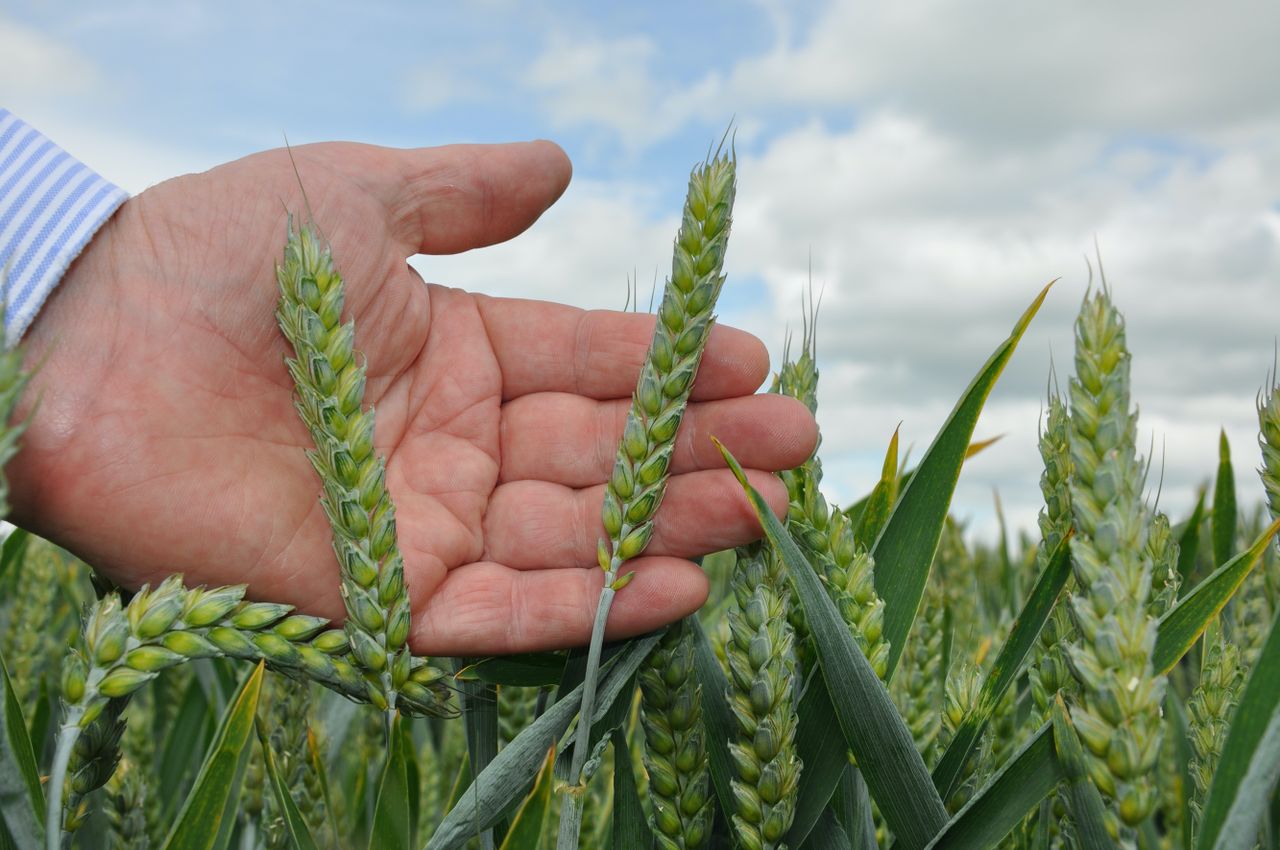
Agronomists are confirming the role that new genetics has played in driving forward the prospects for cereal production.
According to Drummonds' Brian Reilly, this is a reality that has already hit home with Irish tillage farmers.
He explained: “Barley Yellow Dwarf Virus tolerance is a case in point.
“These new varieties of winter barley can show symptoms of the disease at this time of the year. But their final yield potential is not impacted for the most part.”
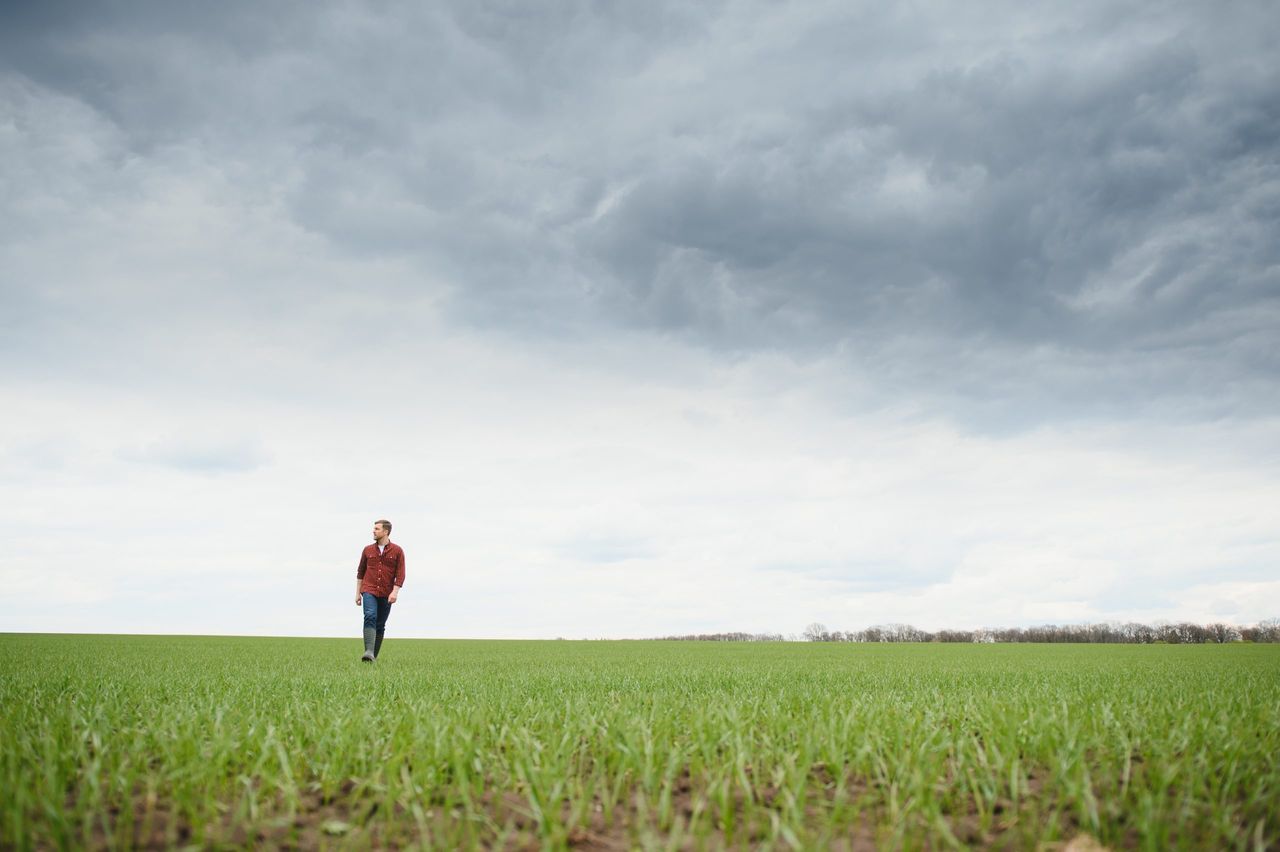
Most winter cereal crops planted last autumn in the Louth, Meath and North Dublin areas have responded well to the continuing spell of dry weather, the Drummonds’ agronomist explained.
He said: “There have been some issues arising in low lying areas and in some fields that were over-tilled last back end.
“For the most part, winter wheat crops are looking well. And the same can be said for winter oats.
“There are some excellent crops of winter barley in the north-east at the present time. But there are quite a number of pretty mediocre ones as well.
“Winter oilseed rape crops are showing tremendous potential across the board.”
Significantly, Reilly is also confirming the presence of yellow rust on wheat crops throughout his catchment area.
He said: “The rust is everywhere - even in grass fields.
"Crops in the north-east are very exposed to the diseases because of the constant breezes coming in off the Irish Sea.
“The same set of circumstances prevails in East Anglia where wheat crops are impacted by winds coming in off the North Sea all the time.”
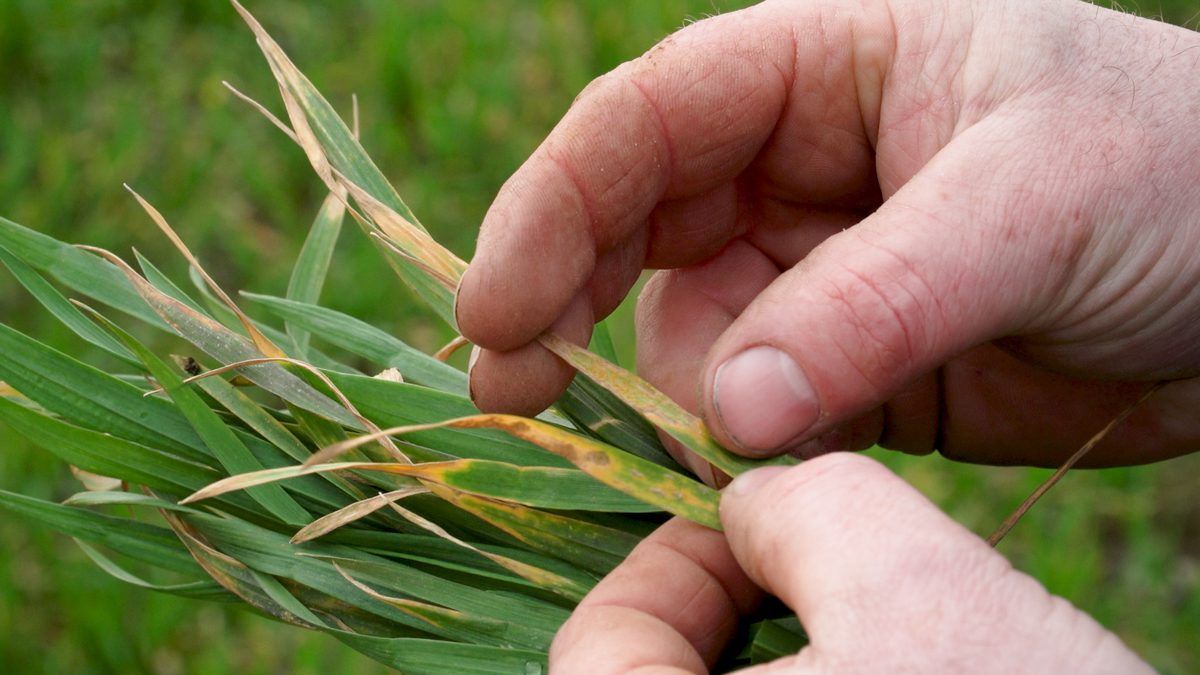
In response to the yellow rust threat, large numbers of tillage farmers in the Drummonds’ catchment area applied a T0 spray containing fungicide chemistries that are active against the disease three weeks ago.
“Those growers who did not go in with a T0 spray must include a yellow rust active fungicide in their T1 mix,” Reilly stressed.
“And the time to get these chemistries applied to crops is now.”
Meanwhile, the fast-improving ground conditions are allowing tillage farmers in the north-east to get on with field work at an ever increasing rate.
Reilly said: “Spring planting of cereal crops should be wrapped up by the weekend.
“We are almost out of spring barley seed at this stage.”
Teagsc will host a spring crops’ walk at Drummonds Trial site, Termonfeckin, Co. Louth tomorrow evening (April 29).
Events get underway at 7:00p.m.