Pilot programme shows positive impact of social farming for youth
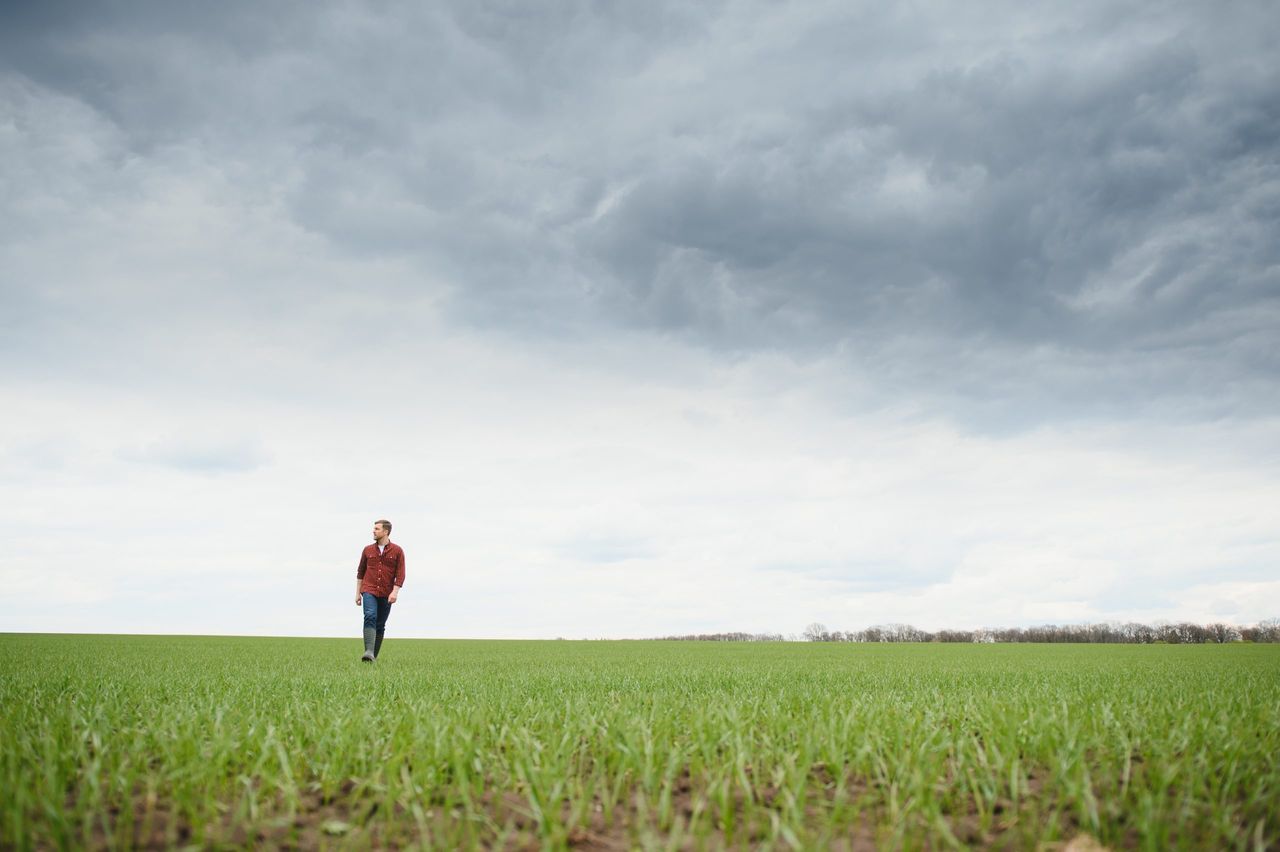
The positive impact that participating in social farming is having on young people has been highlighted.
Over 200 people gathered in Co. Laois to mark 10 years of the Social Farming Ireland national network recently.
Social farming is the practice of providing outcome-based support placements on a family farm.
Over the past decade, the network has grown from seven social farms to now include over 200 trained social farmers.
The farms engage with service providers, families, and advocates across disability, mental health, social care, education, justice, and community development sectors.
Youth project
In 2023, under the Department of Justice's Community Safety Innovation Fund, the Waterford LEADER Partnership was awarded funding for the South East Farming Pilot, to operate across a number of counties including Wexford, Carlow and Waterford.
This pilot is delivering a social farming programme working with youth justice projects in the region.
It was awarded the funding to provide vulnerable young people with a social/care farming placement on a social farm.
Speaking at the recent Social Farming Ireland conference, Waterford Leader Partnership CEO Christine Rossi said it "made sense" that a pilot project like this for youth would work.
She said social farming provides a "pathway for young people to find structure in their lives", and rather than focusing on what they can't do, "focusing on what they can do and what would prepare them for success in the future".
Rossi said those involved with the project "want to convince" the Department of Justice that this pilot should become a national programme because of the difference it can make.
'Vital'
Ellie McDonald, who is a youth justice worker with Carlow Regional Youth Services, spoke of the positive impact social farming is having on young people's lives.
She said that some teenagers introduced to social farming decide it is not for them.
For those who have stuck with it, they may have been "apprehensive" at first about what being on the farm would entail.
She said the development in those who continued has been "brilliant", and for a lot of them the farm programme has become "vital" in their young lives.
It is "something that they really look forward to" and has become a highlight in their week.
She said some young participants, who may not have been on a farm before the programme, are even looking to progress into careers related to agriculture or animals as a result of their experiences.
Women in social farming
Emma Jane Clarke from Co. Meath spoke about her experience of being a social farmer. She runs an equine-centred professional development coaching business on the farm, Martinstown Lodge
She told the event that around 45% of social farms are solely led by women and over 16% are jointly led with a woman at the table.
She said that 61% are "shaped by women's leadership".
Clarke highlighted that women farmers are "central" to food security, nutrition and economic resilience, and also the health and wellbeing of communities.
She said that that a host does not need 200 acres "to change someone's life" through something like social farming, but instead you need intention, the want to connect with people and an open mind.
Benefits
Social Farming Ireland was established in 2016 with core funding from the Department of Agriculture, Food and the Marine (DAFM).
Speaking at the conference, Minister for Agriculture, Food and the Marine, Martin Heydon said DAFM wants to see the numbers that benefit from social farming in Ireland to grow.
He said the benefits for participants are "numerous and tangible", and for those involved, it brings improved community connections.
He added that social farming is "absolutely integral" in terms of generational renewal.
Minister's visit to social farms
Minister of State at the Department of Health Mary Butler, who has responsibility for mental health, this month visited two network farms - the O’Grady farm near Dungarvan, Co. Waterford and the O’Connor farm near Nenagh, Co. Tipperary.
The Waterford farm welcomes residents from the Seabreeze high-support mental health facility in Dungarvan weekly.
"These social farming placements are so important to support people in recovery and with enduring mental health challenges," Minister Butler said.
On the Tipperary farm, the minister met with parents and young people attending Child and Adolescent Mental Health Services (CAMHS), members of the CAMHS multi-disciplinary team and several farm families that partake in social farming.
"It was great to see social farming at its best, providing opportunities for people, young and old, of all abilities to improve their health and wellbeing by taking part in day-to-day farm activities, interacting with their communities and in some cases deriving therapeutic benefit," Minister Butler said.
"I’m a long-time supporter of social farming and the new collaborations with mental health is truly a new initiative I will expand and support as Minister for Mental Health."
The HSE said that throughout the country, social farming provides people who use services, such as the HSE’s mental health services, with the "opportunity for inclusion, to increase self-esteem and to improve health and wellbeing".