Watch: The importance of Ireland's native black honey bee

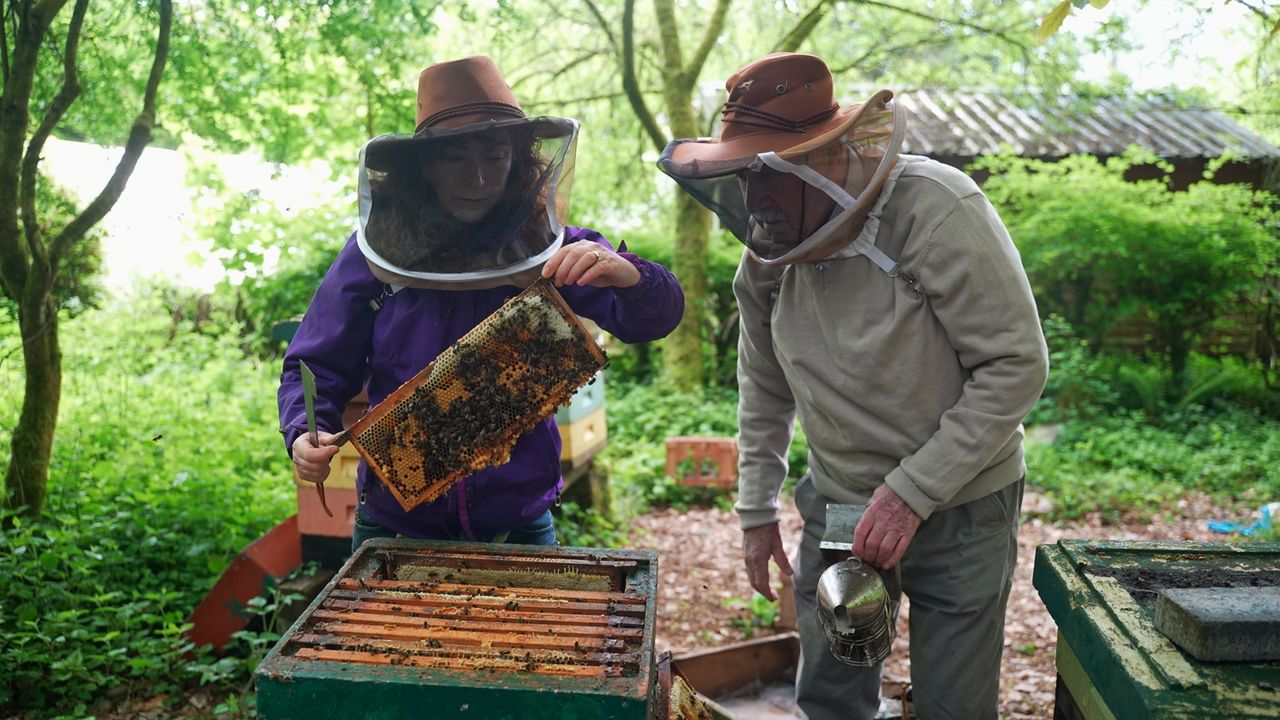
As World Bee Day 2026 approaches on May 20, a family-run beekeeping farm is raising awareness of native Irish honey bees and the need to protect and conserve them.
Galtee Honey Farm is nestled in the Galtee Vee Valley, where counties Tipperary, Limerick, and Cork meet.
Since 1970, the farm has dedicated itself to sustainably producing raw Irish honey while protecting the endangered native Irish black honey bee.
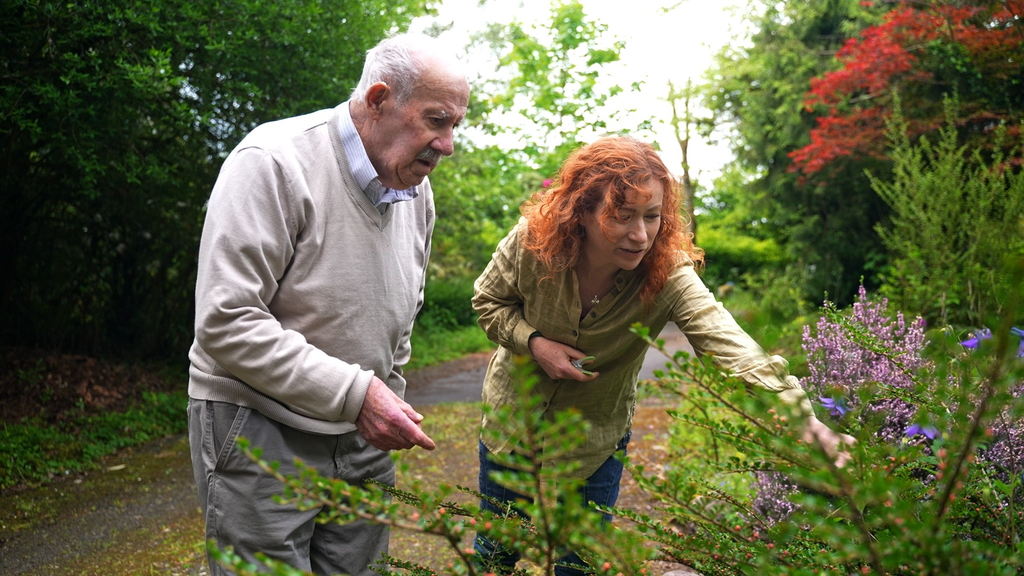
Aoife Nic Giolla Coda owns and runs Galtee Honey Farm.
"I grew up here. My father set it up in 1970 and I took it over officially in 2013," Aoife said.
Her father, Micheál, was head forester of Glengarra Wood, at the edge of which Galtee Honey Farm is now situated .
"He came up from Kerry in the late 1960s and decided this would be a great spot for his bees. He is a third generation beekeeper himself," Aoife explained.
"He was involved with the local beekeepers in this region in setting up the first conservation area for the native Irish black honey bee."
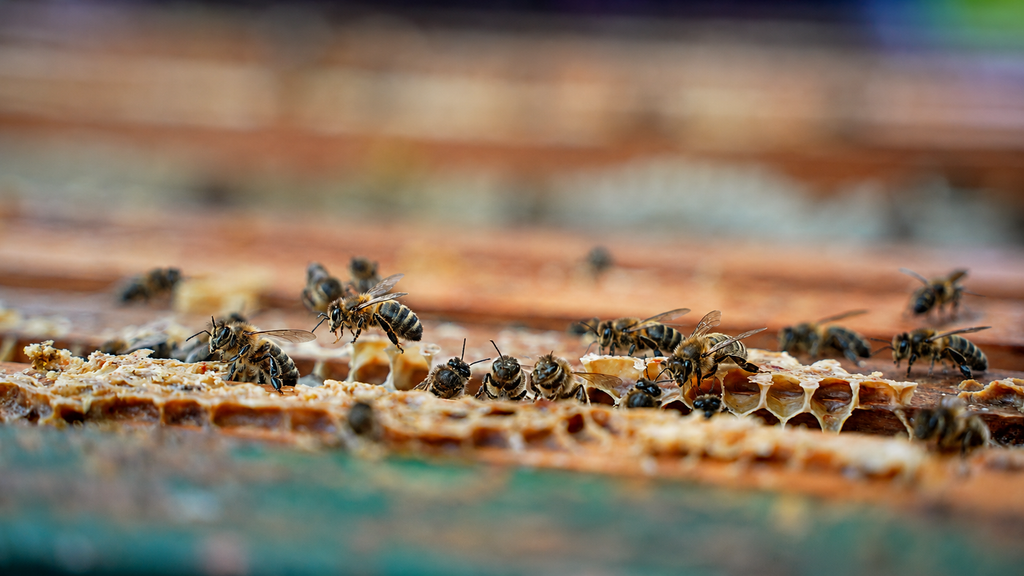
This bee was at threat of becoming extinct because of importations of non-native honey bees into Ireland.
This bee, also known as the dark European honey bee, only exists now in small pockets in mainland Europe, and Ireland has the largest populations of it in the world.
"That's partly because we're an island, but it's also due to what was fostered here in the Galtee Vee Valley region by the beekeepers in setting up the first conservation area," Aoife explained.
"That was replicated all over the island of Ireland by other beekeepers in their localities."
That eventually led to the formation of the Native Irish Honey Bee Society in 2012, of which Aoife and Micheál are both founder members.
World Bee Day
Aoife said that World Bee Day has become a "really special day for beekeepers".
"It's great to highlight the honey bee and specifically here in Ireland, the native Irish black honey bee," she said.
"World Bee Day also shines a light on the importance of our biodiversity in our countryside.
"In our countryside, biodiversity includes the native trees, the native hedgerows, and the wealth of native wildflowers that should be allowed to grow.
"Every garden should have a rewilded area, where what's native to the area is allowed to grow up."
She added that the most important action someone can take is to make their immediate environment pollinator-friendly and allow the natural vegetation to grow.
"Creating the food for the bees is more important than actually getting the bees because the bees won't survive unless the food is out there," she said.
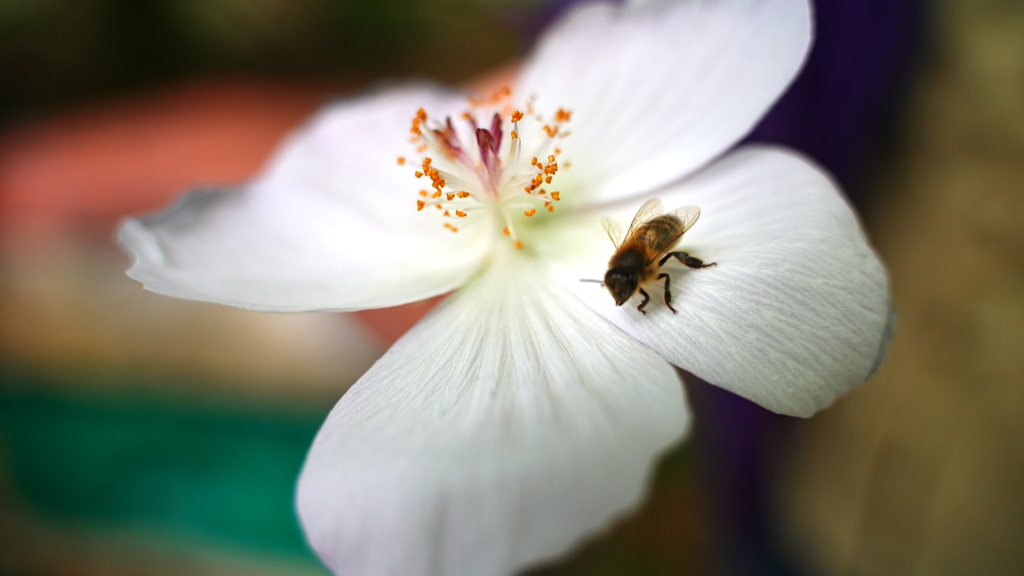
Bees collect from a variety of flowers in Ireland, so in the spring and summer it can source from sycamore blossom, horse chestnut blossom, hawthorn, blackberry blossom, white clover and some lime blossom here and there.
Towards the end of the summer into the autumn, heather also becomes an option.
"Ivy blossom is the last flower of the year for the bees and that's in September, October, November, and even into December, they can be collecting ivy blossom," Aoife said.
"As long as there's nectar yielding and flowers, they will go out to collect. But that is as long as the weather is right - it is very weather dependent."
Along with the weather, disease is a challenge for beekeepers and they regularly check their hives for any signs, Aoife said.
It is at the end of the summer coming into autumn that the honey is collected, but surplus only.
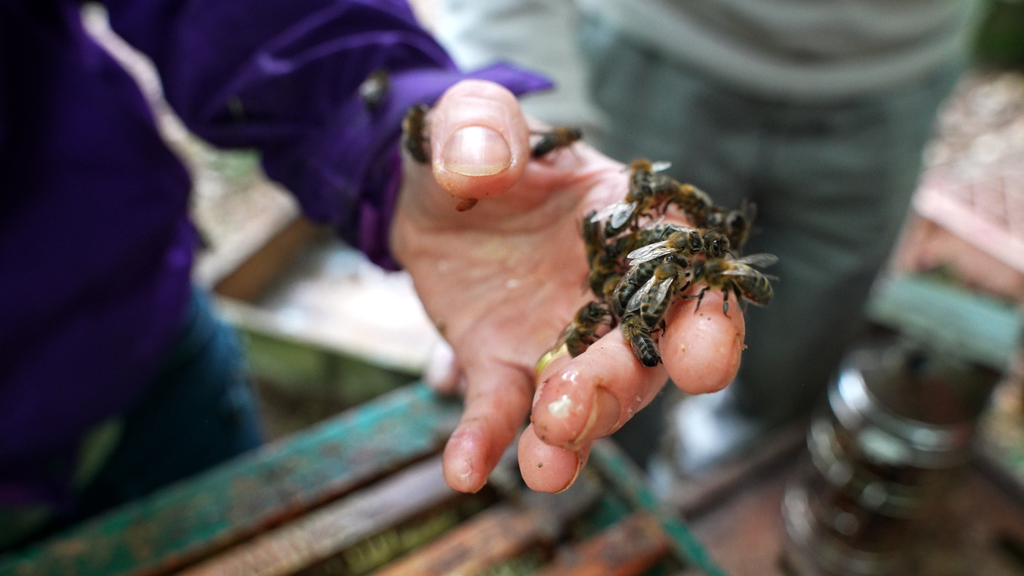
In the springtime there can be up to 15,000 bees in a hive and as the months go on, by mid-summer, that same hive could have 60,000 bees in it.
Irish people love Irish honey - the demand exceeds the supply, Aoife said.
"It's not as simple as getting more bees to supply the demand because our weather is so unreliable here in Ireland, you can't rely on a definite quantity every year," she explained.
"But, the honey that is produced here in Ireland is really premium quality."
A lot of people buy Irish honey because it has been underprocessed, she said.
There is a "certain amount" of honey fraud with imported honey.
"Honey can be bulked out, particularly with rice syrup, which is extremely difficult to detect in a laboratory," she added.
Native Irish Honey Bee Bill
Recognising the risk of losing the native honey bee to hybridisation or cross-breeding, a bill to protect Ireland's indigenous populations by banning imports of non-native honey bees was passed in the Seanad in October 2024.
Aoife said the importation of non-native bees is the "biggest threat" to the native honey bee.
"When they hybridise with non-native honey bees, the genetics are lost. So there is a fear they will become extinct someday if this bill doesn't come into effect."