How does your herd's production compare to the average?

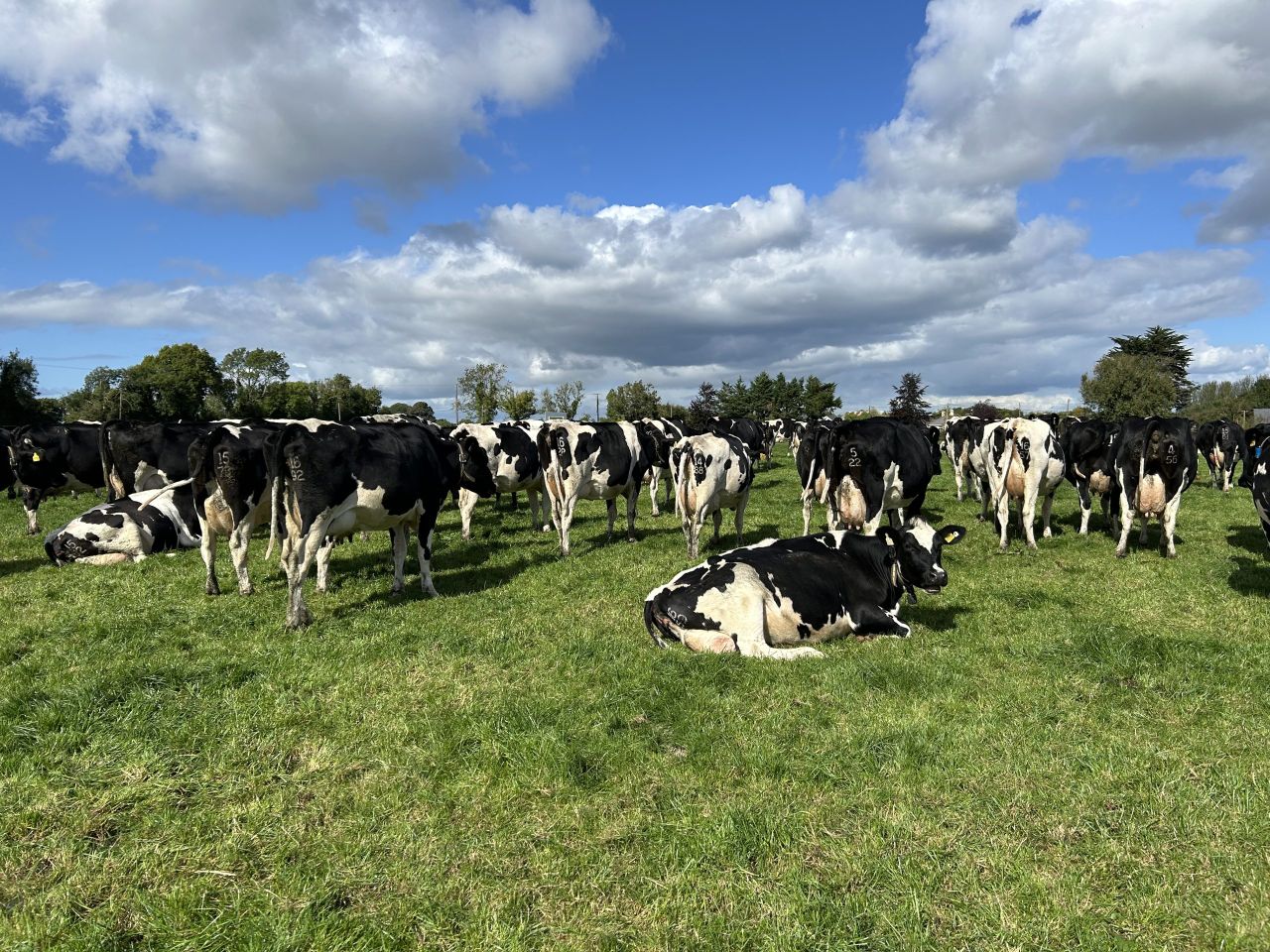
Milk constituents will more than likely fluctuate at this time of the year, but it is still important to know if your herd is performing at the level they should be at.
Butterfat typically takes a hit at this time of the year, often dropping down to levels similar to the protein percentages.
In fact, milk fat content at peak milk yield can be expected to be 0.4-0.5% lower than the lactation average.
Therefore, a herd delivering an average 4.3% fat for the year can be expected to fall as far as 3.9% fat in late April to May.
With an unusual spring grazing season this year, some farms are in the midst of this drop currently, while others are starting to pull out of it.
Either way, it may be no harm to organise another milk recording for this time of the year to see where milk production is at, and what the best option is to boost it and ultimately boost the milk cheque.
Herd performance
The latest data from the Irish Cattle Breeding Federation (ICBF) shows that 917,073 cows have been recorded so far in 2026, which is 4% less than what was recorded by this time in 2025.
Based on this data, 7,921 herds have completed a milk recording in 2026 so far, down from the 8,435 herd which had completed a recording by this date in 2025.
The number of herds that carried out milk recording in the week ending Friday, May 15 was 1,024.
That equates to 112,973 cows being recorded, with an average herd size of 110 cows.
The average milk yield of these herds was 28.05kg of milk/cow with 3.97% fat and 3.51% protein, which equates to an average of 2.1kg/milk solids/cow/day being produced currently.
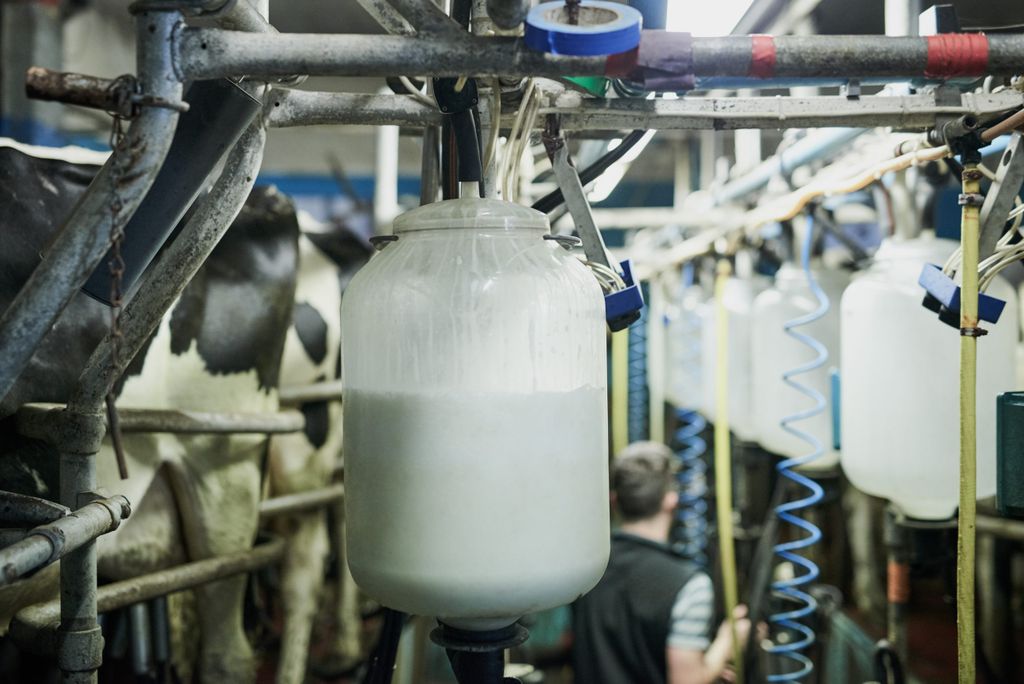
This means that production during peak lactation is holding pretty strong, only dropping from a peak of 2.15kg of milk solids/cow/day during early April.
Butterfat did take a bit of an expected hit, but not to the extent we often see.
The unusual grazing season might have meant the diet was more controlled, with cows still housed by night and getting fibre into the diet to balance the high fat concentrations in pasture.
Genetics could also play a role, with most farmers striving for high percentages over the last few years.
On the other hand, the extended season may mean fat percentages may continue to drop later into the summer than we typically experience.
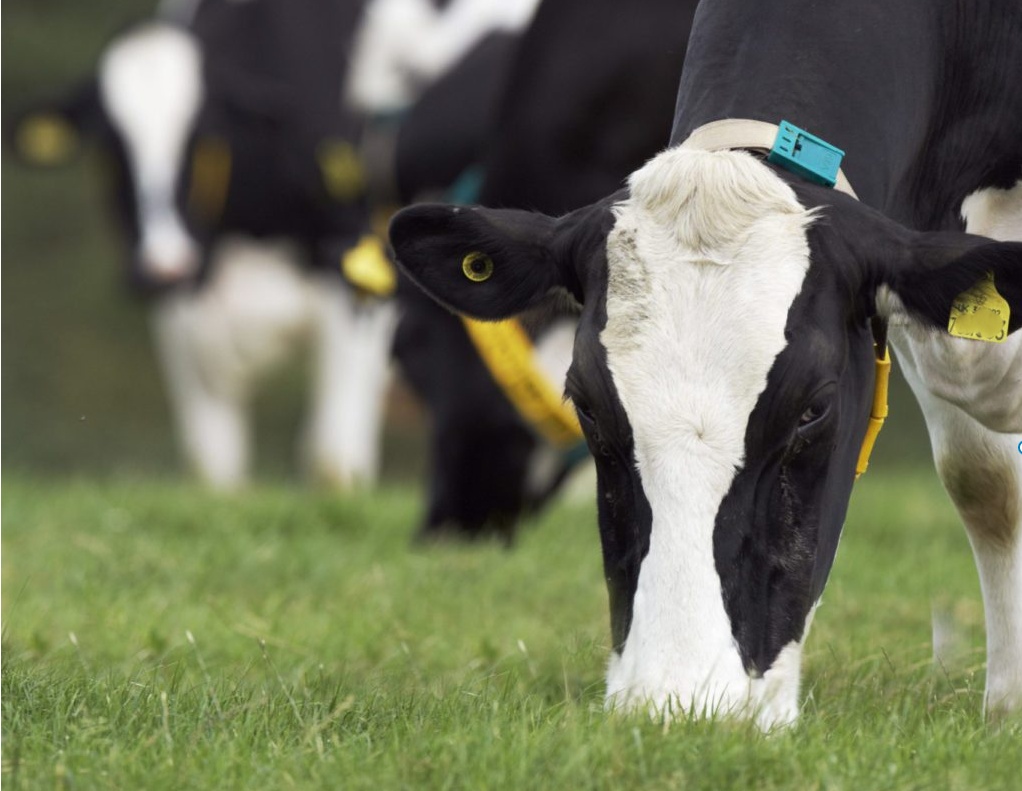
Meanwhile protein has been holding pretty strong in or around the 3.5% mark, indicating that grassland managment is going well and farmers are getting the herd in to good lush covers with little stem and lots of quality.
However, this quality can be difficult to maintain as the season progresses, meaning farmers need to be walking the farm twice weekly to ensure cows are going grazing covers at 1,400kg/DM/ha and have 24-36-hour allocations to maximise dry matter intake.
The average somatic cell count for the herds recording in the past 10 days sits at 152,000 cells/ml.
Ideally farmers should be aiming to get that below 100,000 cells/ml at this time of the year.
Milking routine
Milking routine is going to play the biggest role in reducing SCC at this point, ensuring that any cow causing problems is stripped and treated if necessary.
Also ensure that clusters are sterilised when used on a high SCC cow or mastitis cow before going on to the next, as disease can spread up to six times after a cluster is taken off the problem one.
Milk recording information is important in order to get cell counts under control, but farmers should also be performing a California Mastitis Test (CMT) on cows.
This will identify which quarter is to blame for cell count issues, which can then be treated.
A milk recording at this time of the year will also help with breeding, especially if you are on the fence about some cows.