Watch: Ireland cannot enter EU presidency with 'wish list' on CAP

An Irish MEP has said that Ireland cannot go in to its six-month presidency of the EU with a 'wish list' of what kind of Common Agricultural Policy (CAP) it wants to see at the end of it.
Instead, Ireland will have to play an impartial role, balancing various policy demands and priorities of both the member states and the European Parliament, MEP Barry Cowen noted.
However, the Irish government can still focus on ensuring the CAP funding for Irish farmers, once agreed, is reinforced through higher levels of national co-financing, he said.
The Ireland Midlands-North-West MEP also suggested that Ireland can use the presidency to promote conversations about the EU's 'own resources' - taxation and other measures that the EU uses to generate its own direct revenue outside of member state contributions - in order to make up the shortfall in CAP funding under the current proposals for the next CAP.
Those proposals envisage an overall cut in funding of 20% compared to the current CAP; however, the European Parliament has already rejected those plans, although the negotiations between the EU institutions has some way to go yet, before a final CAP for 2028-2034 is agreed.
Much of those key talks will take place during the Irish presidency of the Council of the EU from July 1 to December 31 this year.
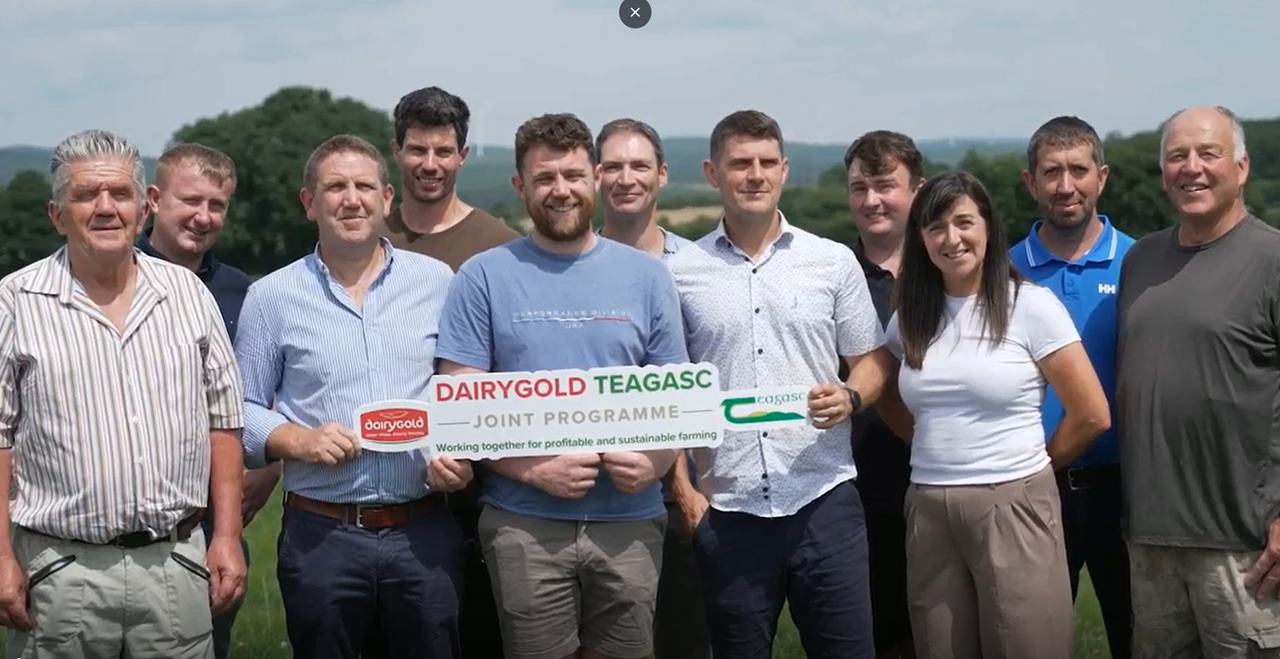
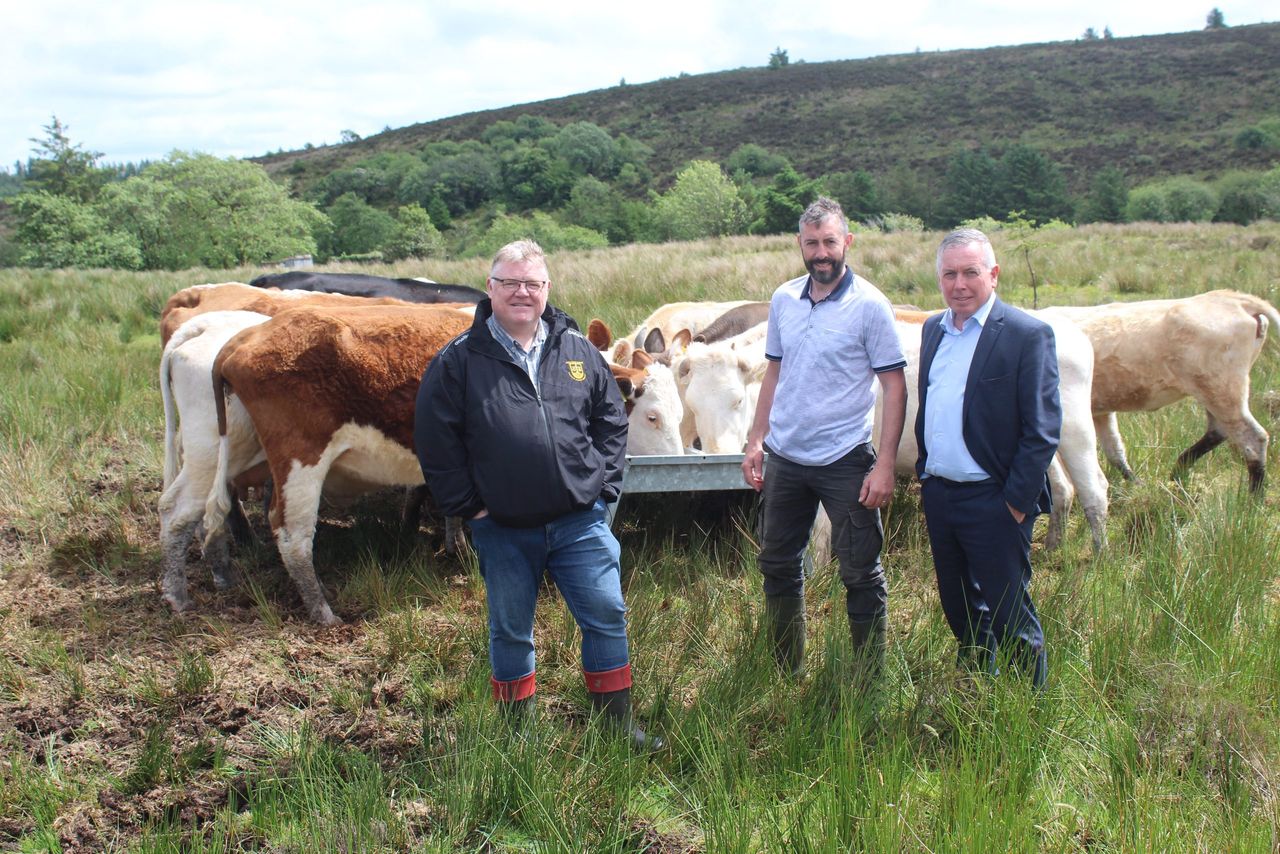
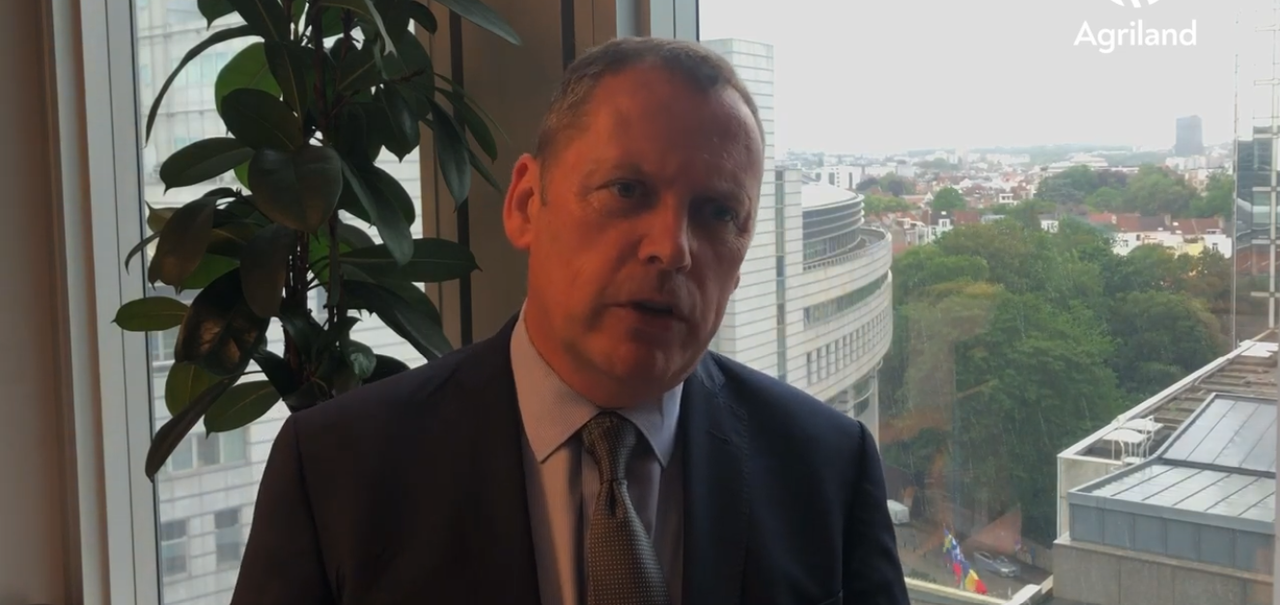
Speaking to Agriland in Brussels this week, Cowen said: "It's not as if we can enter into the presidency with a wish list to win favour from others.
"We go in there as honest brokers as chair of the council, as chair of the process involving the commission, the parliament, and the council," Cowan added.
"There are priorities, I know the government has been speaking about, which align with the commission's, and this mandate's, priorities around competitiveness, around defence and security, around the overall EU budget.
"That’s one of the critical roles the presidency will have, to reach agreement on the budget, to reach agreement on spends around defence and security, around the Common Agricultural Policy.
"So we’re in a very crucial position to ensure there is an agreement reached.
"I’m sure our presidency will stand up and be forthright in its efforts to ensure there is an agreement and we can move forward, and look at the issue too of own resources, and means by which the [EU] is in a position to raise finances, because if the defence and security budget is up 20%, and [CAP] is down 20%, that can't remain, because no security policy or initiative is complete without pro-rata commitments to food security," the Fianna Fáil MEP said.
On co-financing, Cowen said: "I'll be talking to my colleagues in government, and my party in government, with a view to addressing some of the gaps that exist in relation to the commitments to rural Ireland especially that has been talked about, and that has been very politicised in recent months.
"I have no doubt a good CAP can help address the deficiencies people recognise there."