Thai poultry audit sparks call for robust import controls

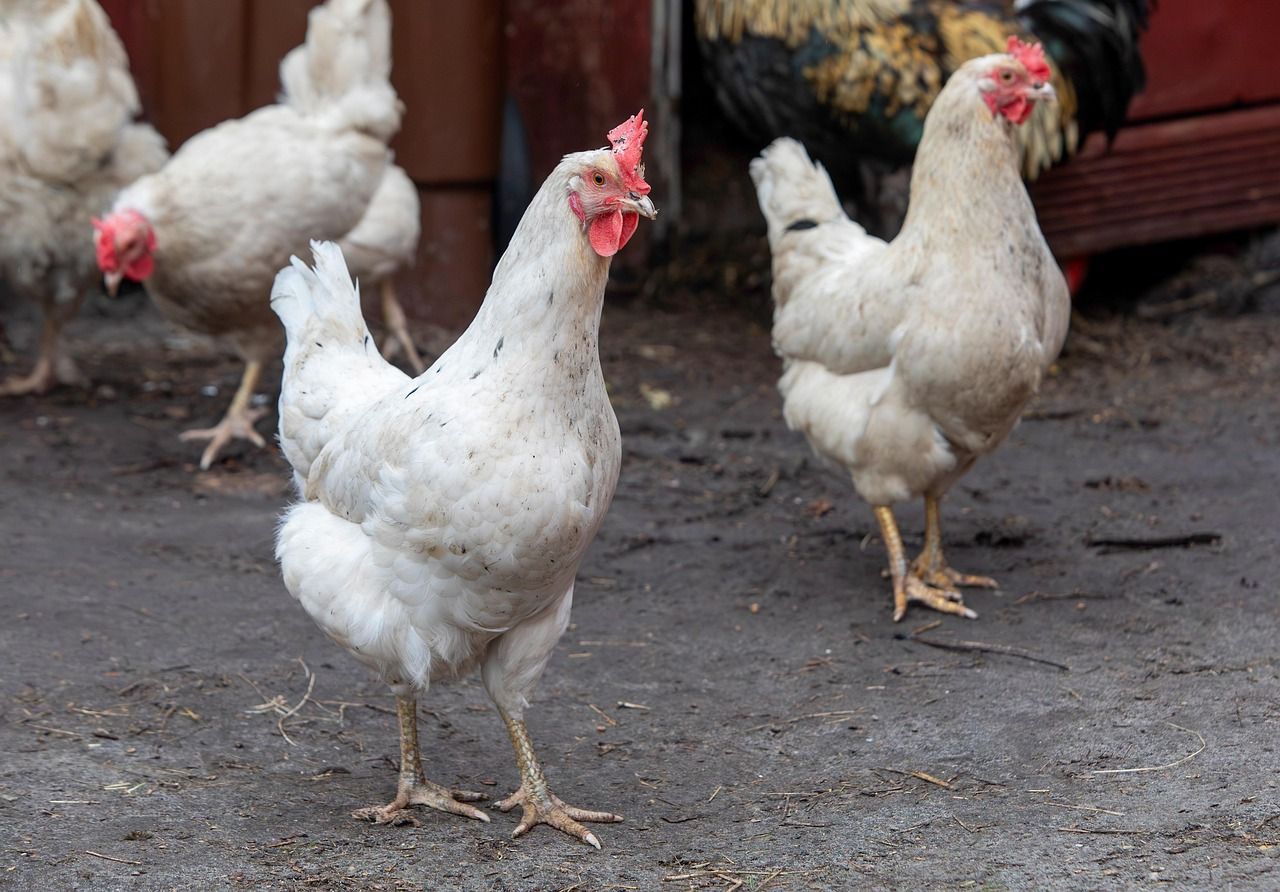
The Ulster Farmers' Union (UFU) has called for import standards to be upheld after concerns were raised about poultry controls in Thailand.
The comments follow the findings of a recent European Commission audit into Thailand's poultry export system.
The audit, carried out in June, noted that an official control system is in place in Thailand for the production of poultry meat and poultry products intended for export to the EU.
However, the auditors said guarantees provided and certified through the export health certificates are "undermined by significant and systemic shortcomings".
These included traceability, veterinary controls, official verification of food safety (HACCP) procedures and the separation of eligible and ineligible products for the EU market.
The audit indicated that staff did not always have sufficient understanding of certain requirements applicable to exports to the EU.
Further weaknesses in the system and departures from EU rules were also identified when it came to certain official control guidelines.
Poultry
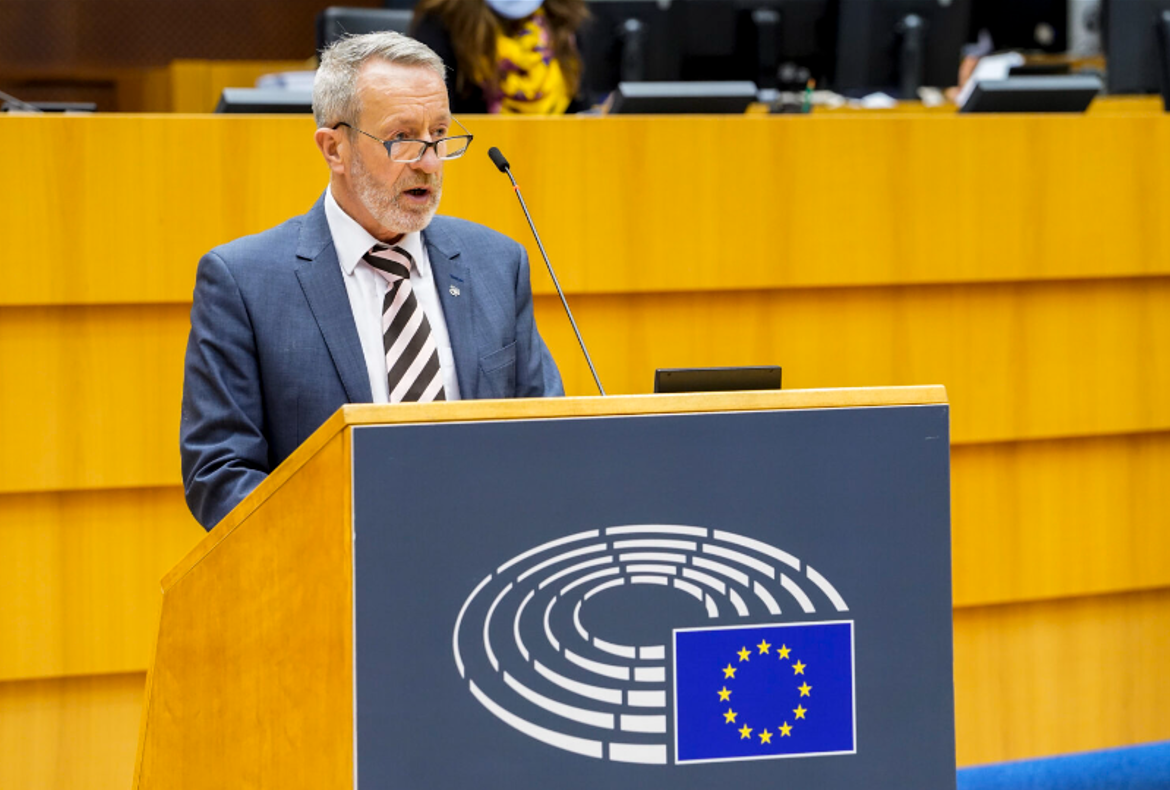
UFU deputy president Clement Lynch said the audit findings reinforce the need for robust food standards, transparent labelling and fair competition for local farmers.
"Northern Ireland consumers have every right to know where their food comes from and to have confidence that imported products are produced to standards equal to those required of local farmers.
"The findings highlighted by the European Commission are concerning and demonstrate why scrutiny of imported food products remain so important.
"Our poultry producers operate to some of the highest standards in the world.
"They invest heavily in animal health and welfare, food safety, environmental protection, traceability and assurance schemes.
"It is only right that imported products seeking access to our market are held to equally high standards," he said.

Lynch said farmers become "understandably frustrated" when they are required to meet "ever-increasing regulatory obligations" while "significant concerns" were raised about control systems and compliance in other countries.
He said the issue extends beyond one country and one commodity.
"This is about consumer confidence, transparency and fairness.
"Whether it is poultry, beef or any other product, consumers should be able to make informed choices about the food they purchase.
"Clear country-of-origin labelling is an important part of that. If we genuinely want to support local farmers, reduce food miles and strengthen our food supply chain, consumers need clear information at the point of purchase," he said.
UFU
The UFU deputy president also stressed the importance of maintaining domestic food production capacity.
"In the same way that governments recognise the importance of energy security, we must also recognise that food security is national security.
"A strong local farming sector provides resilience, supports rural economies and ensures that consumers have access to safe, high-quality food produced to standards they can trust.
"Future trade policy must continue to be based on fairness and reciprocity. We are not opposed to trade, but trade must be fair.
"Where serious shortcomings are identified within export systems, they must be addressed fully and effectively before further market access concessions are considered.
"The public expects high standards from local farmers and those same expectations should apply to food imported into the UK," he said.