Watch: Quality of Irish beef scene 'second to none in the world'

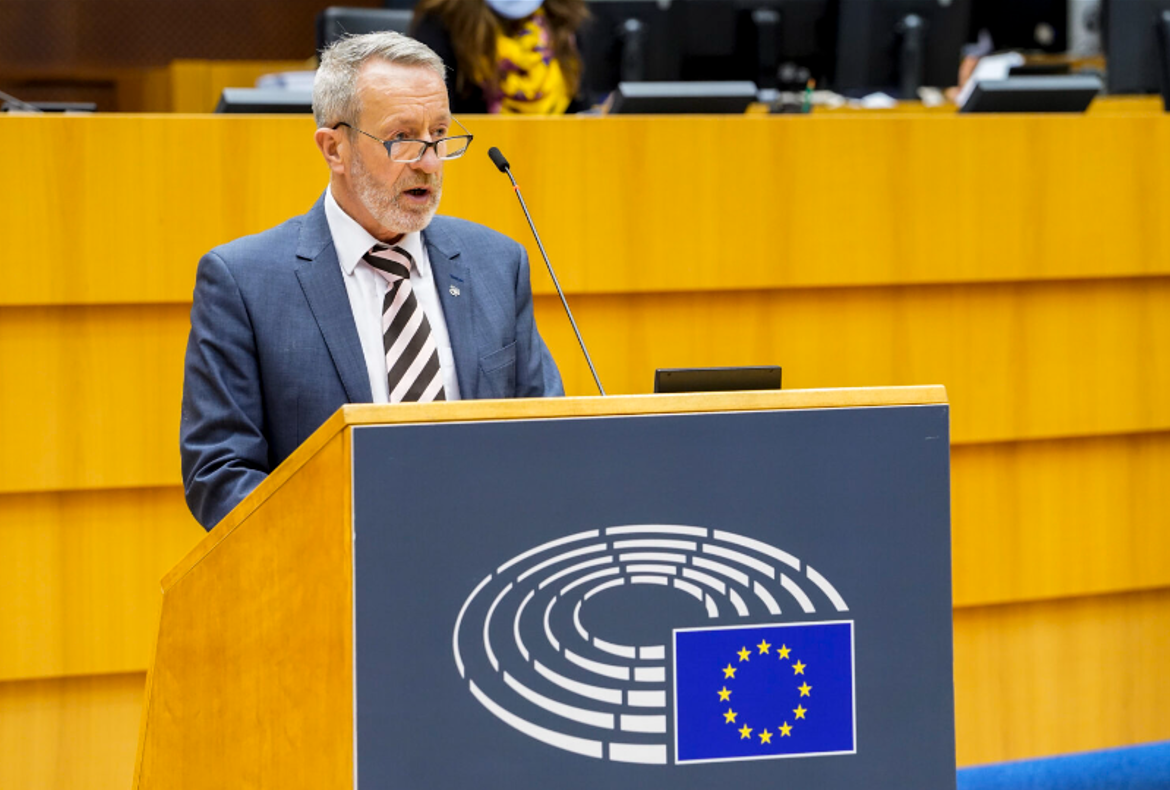
Agriland caught up with David Clarke of Cows.ie at the 2026 National Ploughing Championships to see how exports have been going for him in 2026.
Clarke established Cows.ie 35 years ago, importing dairy stock into Ireland in what he describes as "highly unusual" for the time.
Three decades later, and the company is now a major exporter, a testimonial to the quality of stock being bred in Ireland.
Clarke said: "If you take the Irish beef scene and the quality of the weanlings now days, second to none in the world."
Clarke noted how Cows.ie is typically an all dairy exporter, but the business has been thriving in the beef market this year due to a demand for the high quality Irish stock.
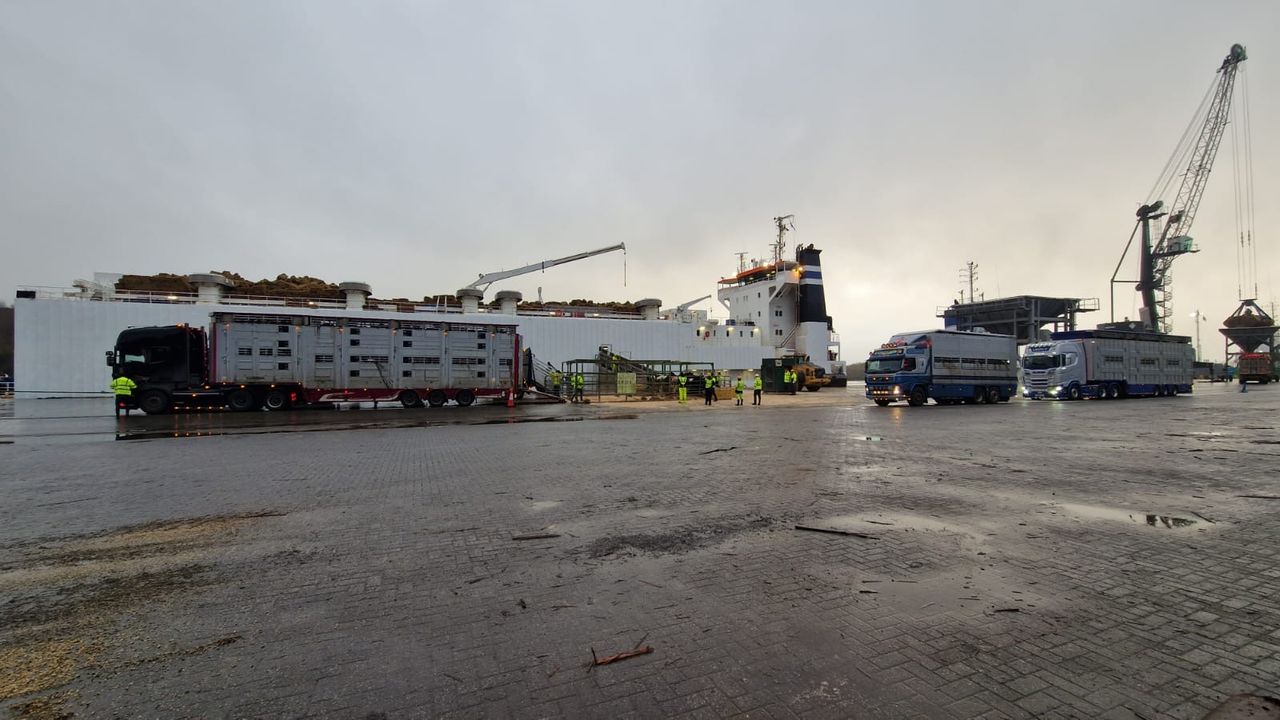
The company has already exported approximately 4,000 weanling bulls to date this year.
As well as that, the exporter said he currently has 2,000 currently in quarantine as they prepare for export to Algeria.
Clarke is also exporting Irish dairy stock to Algeria with the past three years, with no looking back since.
He noted that the Algerian market is finding Irish stock healthier and hardier than the stock they are used to, which is what is keeping the exports flowing to the North African market.
The demand for in-calf pedigree heifers remains strong, with Clarke sourcing the animals from all over Ireland before preparing them on his farm in Mullingar.
Export challenges
Clarke noted that one challenge which continues to face the export market, especially when it comes to North Africa, is infectious bovine rhinotracheitis (IBR).
He said: "Ireland is doing well, but we still have that problem of being IBR positive."
He called on farmers to vaccinate their own stock to keep that market open.
Another challenge which has faced the export market is bluetongue, which has affected Clarke's trade "in a big way".
He noted how one to two lorry-loads of freshly calved heifers and calves would typically make their way to the UK every week.
However, that market is currently closed as a result of bluetongue, although exports are still able to enter Northern Ireland.
The exporter said: "That has being a major blow to us.
"It has slowed up the job, so hopefully that market will open again and we can get back trading; we miss that one."
Clarke also noted that it is a challenge to source dairy heifers due to the previous shortage, but he expects an extra 30,000 dairy heifers in the system next year.