Table: Fertiliser, slurry or lime - which should be spread first?

The spell of good weather over the past week has seen many farmers manage to secure a crop of silage.
Farmers will now be weighing up what should be spread on silage ground to maintain and improve soil fertility.
Where silage has been cut, farmers seeking to return nutrients to the silage ground will notice chemical fertiliser prices have increased substantially since early spring.
Considering these higher prices, knowing the current status of farm soil fertility and what nutrients are needed is more important now than ever.
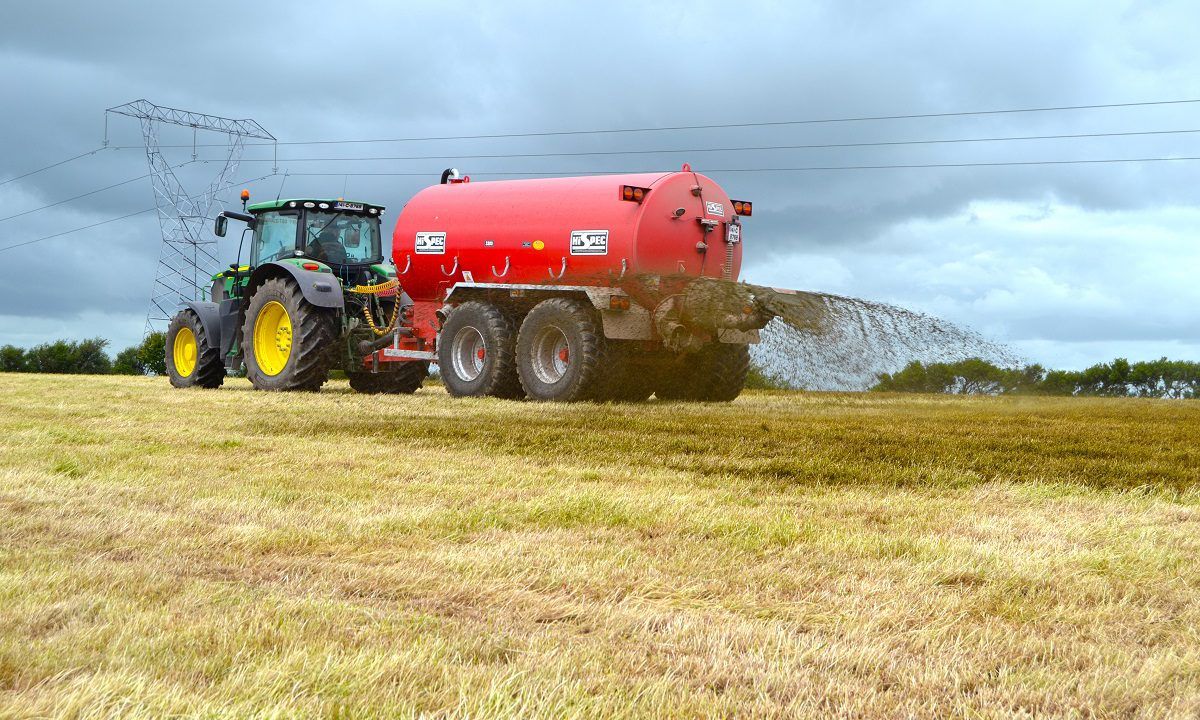
Making use of on-farm nutrients such as slurry where available and targeting this at ground which requires it will help maintain phosphorus (P) and potassium (K) indexes.
Where soil pH is low, a lime application could be the best value for money on boosting soil fertility this year.
Remembering the best order in which to apply lime, fertiliser, or slurry can be confusing but the table below will help to provide clarity.
The table below outlines the Teagasc recommended times between spreading fertiliser, slurry, and lime:
| First application | Second application | Recommended time between applications |
|---|---|---|
| Slurry | Lime | 10 days |
| Lime | Slurry | 3 months |
| Liquid Urea | Lime | 7-10 days |
| Lime | Liquid Urea | 3 months |
| Lime | CAN or NPK compounds | No issue spreading before or after |
| Slurry | Chemical fertiliser | 4-7 days before or after |
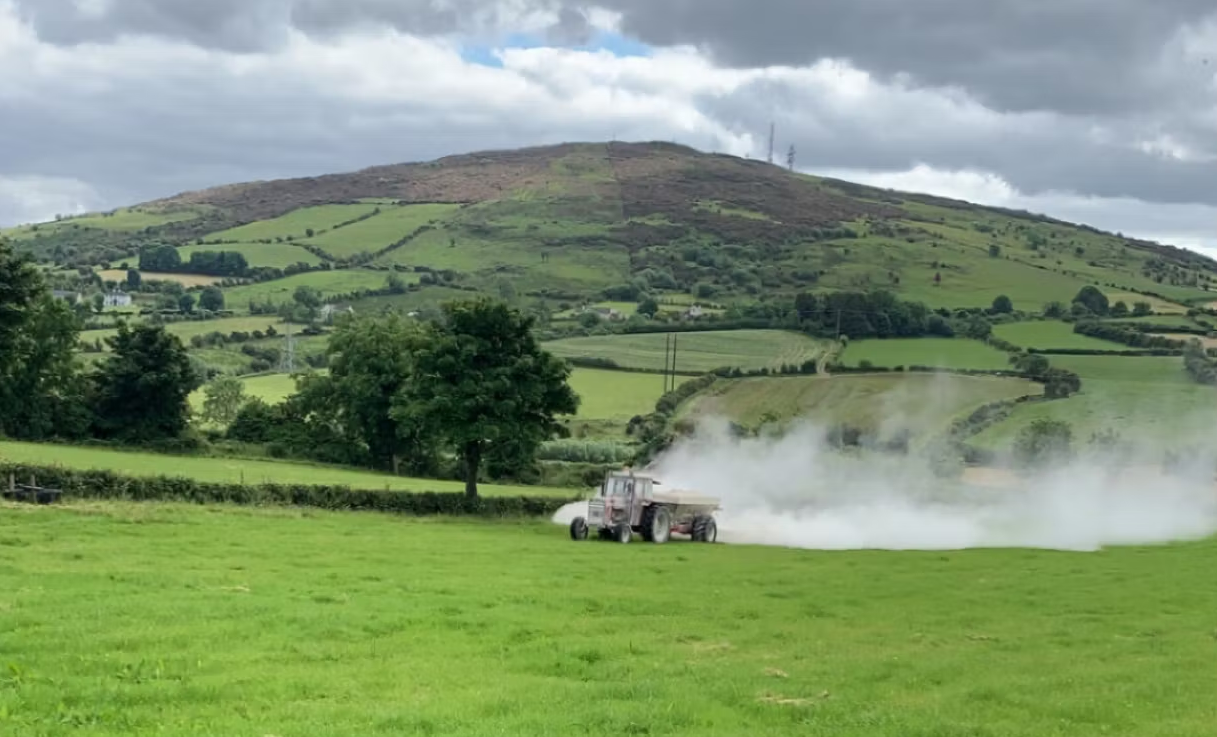
Where a paddock is intended to be cut for silage, it is advisable to leave lime spreading until after cutting when the field is bare to ensure the lime is fully washed into the ground.
If lime is present on grass leaves going into pit or bale silage, it can have a negative impact on silage preservation.
Where farmers are applying slurry and chemical fertiliser to the same area of ground, the Teagasc advice to farmers is to spread slurry first, followed by the chemical fertiliser approximately seven days after. This is to avoid slurry coating the fertiliser granules.
Where slurry and/or chemical fertiliser as well as lime is being applied to land, the advice is to apply the fertiliser(s) first. This is to reduce the risk of nitrogen (N) loss from the nutrients as lime can accelerate the loss of N, according to Teagasc.
All nutrients and lime should be applied to land on the basis of a recent soil test result. Slurry should be targeted at fields with a low P and K index.
Lime should be applied where necessary to fields with a low pH.
Teagasc recommends a maximum lime application of 7.5t/ha (3t/ac) but many farmers have a preference to apply a maximum of 2t/ac or approximately 5t/ha.
Where more lime is required to balance the soil pH, the balance can be applied over the following years.
Ground limestone should be applied on a ‘little and often' basis, as an excessively heavy single application of lime can have an impact on soil structure and reduce the trafficability of the field.