How will enteric methane emissions be reduced?

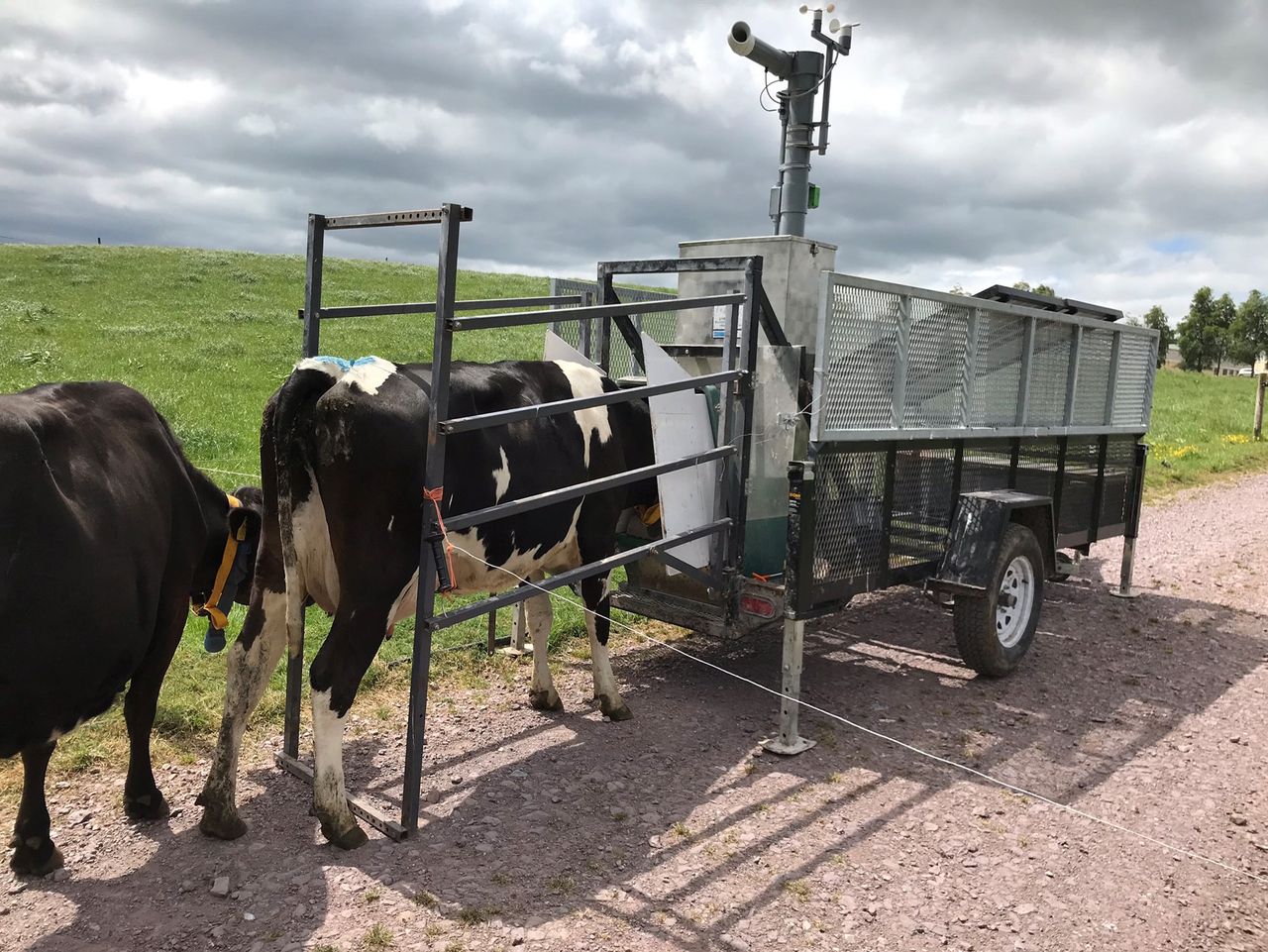
Enteric methane is a by-product of feed digestion which largely contributes to Ireland's greenhouse gas emissions (GHG).
And considering Ireland is targeting a 25% reduction in GHG by 2030, researchers are still busy trying to find ways of reducing methane.
A discussion took place at a recent Teagasc led event in Portlaoise titled 'Agriculture and Land Use in Ireland: Pathways to a Sustainable Future', highlighting the research that is been done to reduce methane levels.
However, a recent report from the Environmental Protection Agency (EPA) suggests that a targets will not be met without changes in nitrogen fertiliser use and reductions in livestock numbers.
Which begs the question, will farmers put the time, effort, and money into reducing emissions, only to be left cutting livestock numbers a few years down the road?
Methane
With 6,797 farmers applying for a nitrates derogation in 2026, a vast majority of farmers will have no choice but to work towards reducing emissions, but that is easier said than done
Ireland is unique with its pasture-based dairy production system, which is great for us on a global market, but also means we have limited research available in terms of the dietary factors which affect methane production.
Researchers from Ireland and New Zealand have previously collaborated to understand how the stage of lactation, pasture quality and species, management and seasonal growth effect base methane emissions - however, a lot remains to be answered.
What we do know is that methane is tied into the animal's diet, so work needs to be done in terms of maximising grass utilisation.
Teagasc's Ben Lahart said they use calculation models to calculate the amount of methane being produced on Irish dairy farms.
The general calculation is as follows;
Gross energy intake X 6.3% = 355g methane/day
However, quite a bit of work goes into getting this accurate, as the feed intake profile of dairy cows in Ireland fluctuates regularly throughout the year.
The typical February-calving cow's dry matter intake (DMI) will rise steadily for 10-12 weeks, before reaching peak DMI around mid- to late April.
From here, the DMI will then gradually decline for the rest of the season until cows are dried off in December.
In previous studies, Lahart noted that feed intake and DMI peaked in summer months at 18kg of DM and plummeted in winter at 10.6kg of DM, with the highest crude protein levels ingested during spring.
The seasonality in feed intake and feed quality according to a study by Lahart, is as follows:
| Spring | Summer | Autumn | Winter | |
|---|---|---|---|---|
| Physiological state | lactating | lactating | lactating | non-lactating |
| DMI (kg/day) | 16.9 | 18.0 | 17.8 | 10.6 |
| Feed type | grass | grass | grass | grass silage |
| Crude protein (g/kg DM) | 228 | 197 | 201 | 147 |
| Neutral detergent fibre (g/kg DM) | 417 | 439 | 449 | 560 |
| Organic matter digestibility (g/kg DM) | 825 | 798 | 790 | 677 |
These findings highlight how less methane is produced in early spring, but steadily rises from around mid-May onwards.
At the same time, we see feed quality gradually deteriorating and neutral detergent fibre (NDF) in the diet increasing.
This rise in methane production also correlates with decreasing milk solid production, highlighting the affects of decreased digestibility in grassland swards.
Grazing
The level of NDF in a diet seemed to have a huge effect on the methane produced by the cow, along with the amount of digestible energy content and the pasture quality.
Lahart said that utilising grass and getting as much grass into the diet is crucial.
That means working towards compact calving seasons and getting cows out to grass for more days in the year, through improved grazing infrastructure, good closing covers, and optimum pre-grazing herbage.
Getting cows into optimal pre-grazing covers of 1,400kg DM/ha when the plant is lush, protein-rich, and at the three-leaf stage, should lead to increased milk solids production and ultimately decreased methane production, which is a win-win.
Lahart also noted how clover pastures reduce chemical N, but increase enteric methane as there is a higher DM intake.
Despite increased methane levels, Lahart said clover is still a good move as nitrous oxide emissions are reduced more than methane levels are increased, which means overall GHG is reduced.
Other solutions
The event also discussed further solutions which could be used to reduce methane levels.
Sinéad Moloney and Hazel Costigan of Teagasc spoke about the use of anti-methanogenic feed additives such as Bovaer (3-NOP).
Bovaer would be considered the most successful of these additives, but there has been question marks raised around these types of feed additives.
Maeve Williams of Teagasc spoke on reducing methane through breeding strategies.
The carbon sub-index was added to the Economic Breeding Index (EBI) a number of years ago as a broad part of this strategy.
The potential for methane to be added into the EBI in the future stands, as William's study found that 16% of the variation in cow-to-cow methane production is rooted back to genetics.
She noted that there is a difference of 56g/day difference in methane production between cows in the top 20% and the bottom 20%, meaning there is big scope to improve through breeding.