'Slightly less focus' on war/risk premiums in grain markets this week

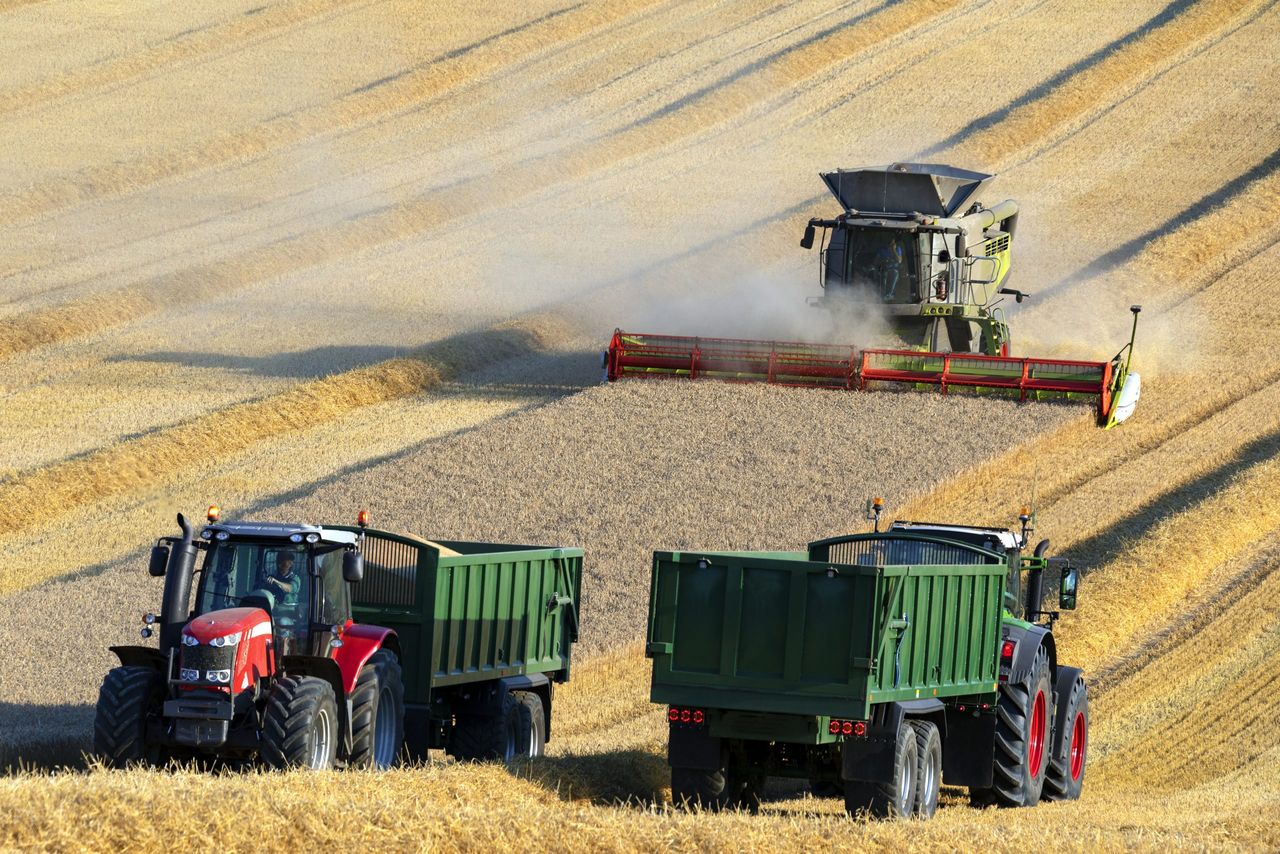
The Irish Farmers’ Association (IFA) has published a grain market update, reflecting national and international cereal prices.
Significantly, this takes account of the ongoing Middle East conflict.
According to the IFA, markets remain volatile as result of the continuing conflict in the Middle East.
However, fundamental factors are beginning to regain control this week, with slightly less focus on a war/risk premium according to analyst Argus Media.
Last week, Matif futures for May-26 were volatile during the week but closed the week on Friday, March 27 unchanged at €203.25/t. CBOT wheat futures for May-26 were up $3.58/t on the week.
Prices this week have declined by approximately €2-€3/t for MATIF spot and new crop futures.
Native prices
Native prices this week remain unchanged. For green grain, Tirlan offered €185/t for feed barley and €190/t for feed wheat on April 1st.
For malting barley, Boortmalt has offered a second fix price of €225/t to merchants within its supply chain network.
For dried grain, native prices for wheat Nov-26 have gained slightly to reach up to €230/t. Imported maize is higher at €235-€240/t. Spot wheat prices are trading in the €220-€225/t range depending on the day.
Oilseed rape prices remain firm owing to volatility in the crude oil and factors within the wider oilseed complex.
Paris rapeseed futures for new crop Aug/Nov-26 contracts crossed €500/t symbolic zone earlier this week to sit at €509/t on Tuesday evening but have closed at €500/t on Wednesday evening.
Tirlan offered €465/t for oilseed rape on Wednesday April 1st.
Global grain supply and demand
Meanwhile, the United States Department of Agriculture (USDA) has released its prospective plantings report on March 31 which outlines area estimates for key crops such as maize, soybeans and wheat.
Maize is estimated at 95.338 million acres which is 3.5 million acres lower than 2025 record crop: this decline was lower than that forecast by trade analysts.
Soybeans are forecast at 84.7 million acres, up 5% but lower than anticipated.

Wheat acres came in lower than expected at 43.775 million acres, down from 45.328 planted in 2025.
Spring wheat acres are at the lowest since 1919 with the area for all wheat types at a 56-year low.
Wheat conditions in the US have also declined rapidly in key production states of Kansas and Oklahoma.
Only 40% of the winter crop is rated good this week as a result of very warm temperatures in March.