Winter oilseed rape yield potential 'looks very good' - AHDB

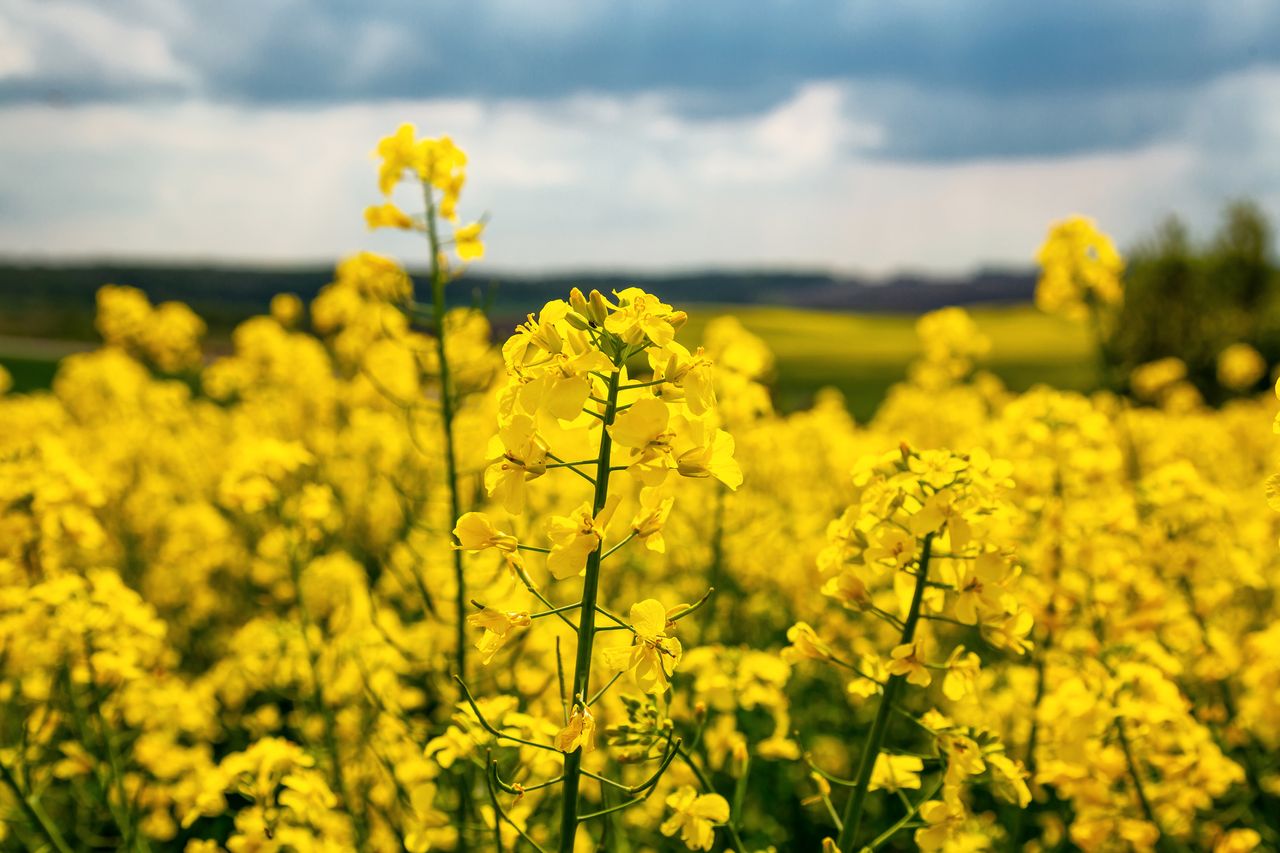
According to the Agricultural and Horticultural Development Board (AHDB), most winter oilseed rape crops have significant yield potential.
The assertion is contained in the latest UK winter crop update from the organisation.
Most crops are now showing green buds and are standing out as one of the strongest-performing break crops this season.
Yield potential looks very good overall. In the West Midlands of England, some water logging has affected heavier soils, while Northern Ireland is reporting particularly strong growth in earlier-drilled fields.
Meanwhile, a few crops in South-East England have required re-drilling but are now establishing satisfactorily.
Many crops have developed large canopies, prompting widespread use of a plant growth regulator (PGR) to reduce lodging risk.
In the West Midlands, PGR is being applied as a precaution on the most advanced crops, while in the south-east, growers are completing their final nitrogen applications before plants become too tall for effective treatment.
Weeds and pests
Weed control in winter oilseed rape has been generally better than average this season, with strong residual performance and targeted treatments maintaining clean crops.
In the south-east of England, clopyralid and halauxifen‑methyl mixes have been used effectively for broad-leaved weed control.
Pest pressure remains low, with cabbage stem flea beetle (CSFB) activity minimal and pollen beetles only starting to increase,but rarely reaching treatment thresholds.
In Yorkshire, CSFB larvae are present in many crops but causing no visible damage.
Disease levels are also low overall, though some phoma has been reported in Wales, requiring attention, and light leaf spot is appearing at low levels in Scotland.
Spring crops
AHDB is reporting that spring drilling is now underway after delays caused by persistently wet soils.
Progress has been steady on lighter land, while heavier fields still need more drying time.
Higher seed rates are being used to compensate for later or direct drilling.
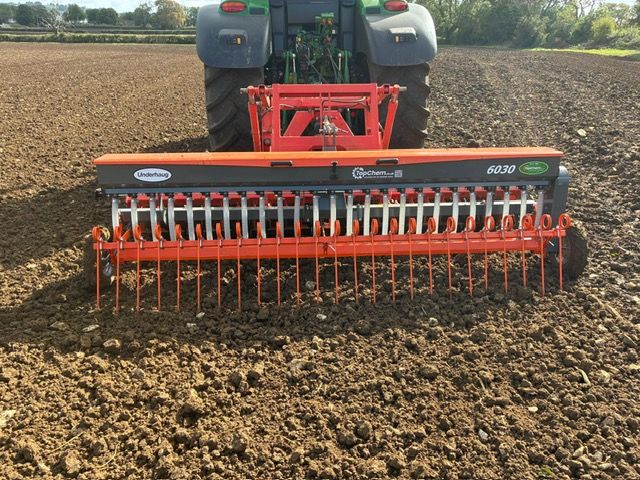
In the south-east, spring oats are expected to be sown over the coming weeks to assist with blackgrass management.
Meanwhile, drilling in the north-east and Yorkshire remains limited, confined mostly to light soils, while in Northern Ireland, only minimal drilling has occurred so far as growers focus on establishing spring beans first.
Weather conditions will dictate crop planting rates achived throughout the UK and Ireland over the coming days.
Unsettled conditions are expected through the Easter period.
However, a more sustained period of drier, warmer conditions is forecast form the middle of April onwards.