Numbers of BVD-positive herds on a downward trend

The number of bovine viral diarrhoea (BVD)-positive herds has decreased by nearly 8% since this time last year.
In week 15 of 2026, ending April 12, there was 104 positive herds recorded by Animal Health Ireland (AHI).
This is down from the 113 herds recorded in the same week of 2025.
Out of the 1,387,691 calves that have been tested so far in 2026, 99.26% of those have come back with negative results.
Meanwhile, 9,896 (0.71%) have gone back as empty, and only one has returned as inconclusive.
Dr. Maria Guelbenzu, BVD programme manager at AHI said: "The BVD eradication programme has one singular focus: reaching BVD freedom as quickly as possible.
"Over the course of the programme, we have moved from 11% of breeding herds affected to approximately 100 herds at this point in 2026, and the trend this year is genuinely heartening.
“Farmers, supported by AHI, vets, industry and Government, have made enormous strides in tackling a highly contagious disease that used to cost the national herd over a hundred million euros every year. This effort is a testament to collective effort, responsibility and persistence across the sector.”
Preventing the spread
However, keeping high standard biosecurity measures in place is critical for ensuring the disease does not spread.
It is easy to let up on biosecurity once calves get out to grass this month, as there will be plenty of other jobs on the mind during the good weather.
But in reality, relaxing on measures during the grazing season can be a disaster and leave your herd exposed.
At this time of the year, it is important to keep on top of boundary management.
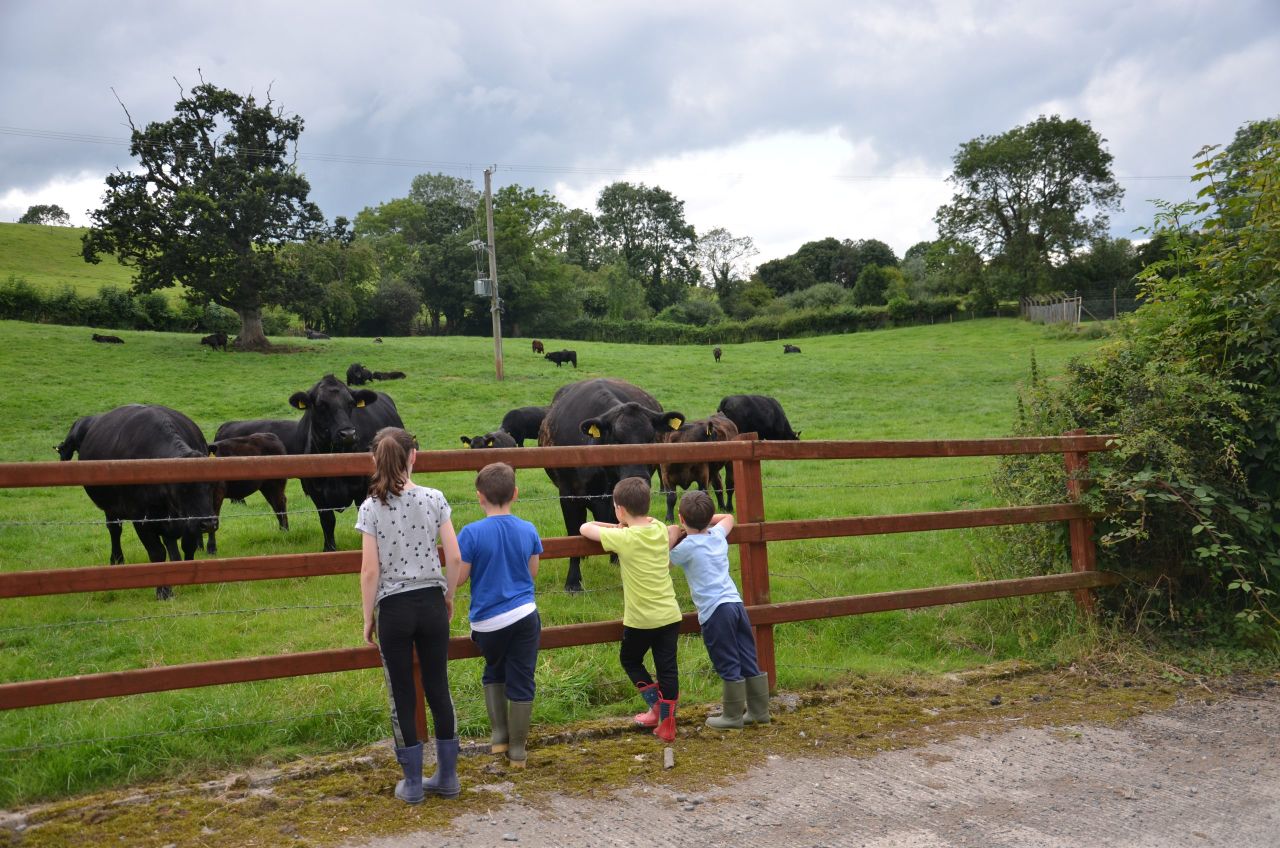
Ideally you should be trying to avoid having cows and heifers grazing near boundaries, especially in early pregnancy.
If you are located within 400m of a confirmed BVD case, it is essential to make biosecurity a number one priority this grazing season, as your herd will have a one-in-seven chance of becoming positive next year.
Even if you are not sharing boundaries, you still need to be ensuring biosecurity is adhered to.
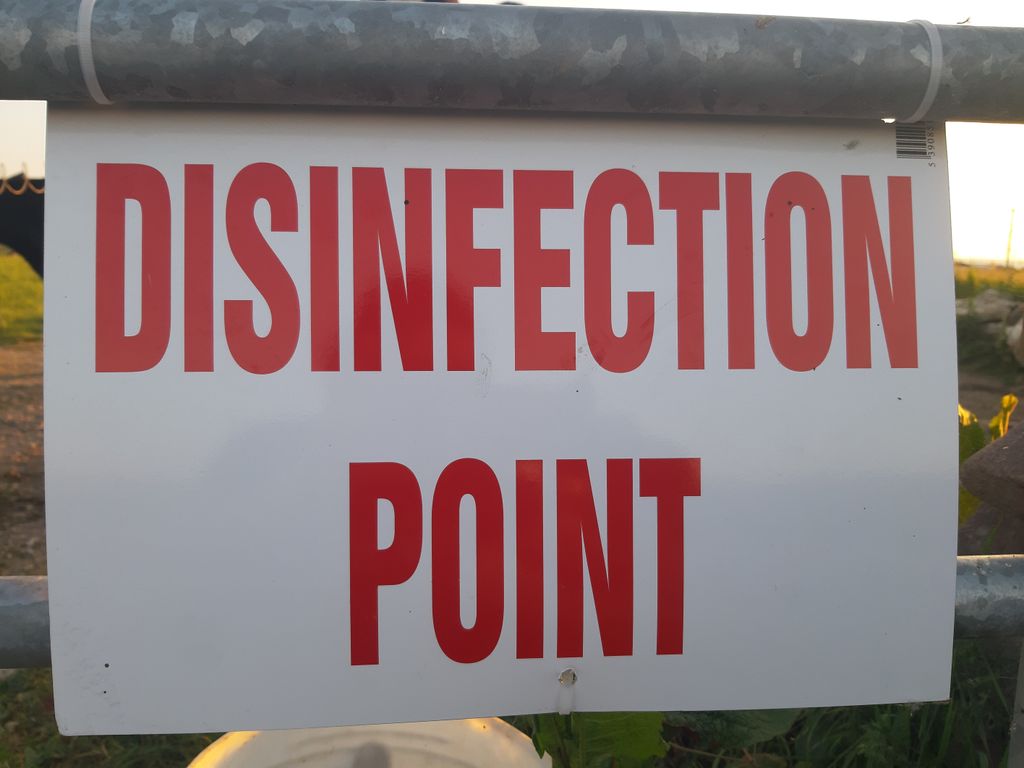
Another aspect of biosecurity that goes amiss after calving is the cleaning and disinfection procedures in place for visitors such as artificial insemination (AI) technicians, boots should be clean and dipped in disinfectant on arrival.
It also may be worth considering installing a tyre disinfection pool at the yard entrance.
This may seem extravagant, but when you think about how many farmyards the milk lorry has been in as well as the contractors this summer, it makes sense to install one.
These precautions are not only for the likes of BVD either, as tuberculosis and Johne's continue to be a worry on farms.
At this time of the year, a lot of farms also share farm equipment, whether it be slurry tanks, cow boxes, or simply calving jacks.
Doing this may seem harmless, but you are once again exposing your biosecurity measures. If machinery really does need to be borrowed, it should be thoroughly cleaned and disinfected before use.
Late calvers
It has been 12 weeks now since February 1, but some some farms will still have a few late calvers to go.
Any late calves should still be getting the same treatment as earlier calve in terms of biosecurity and health.
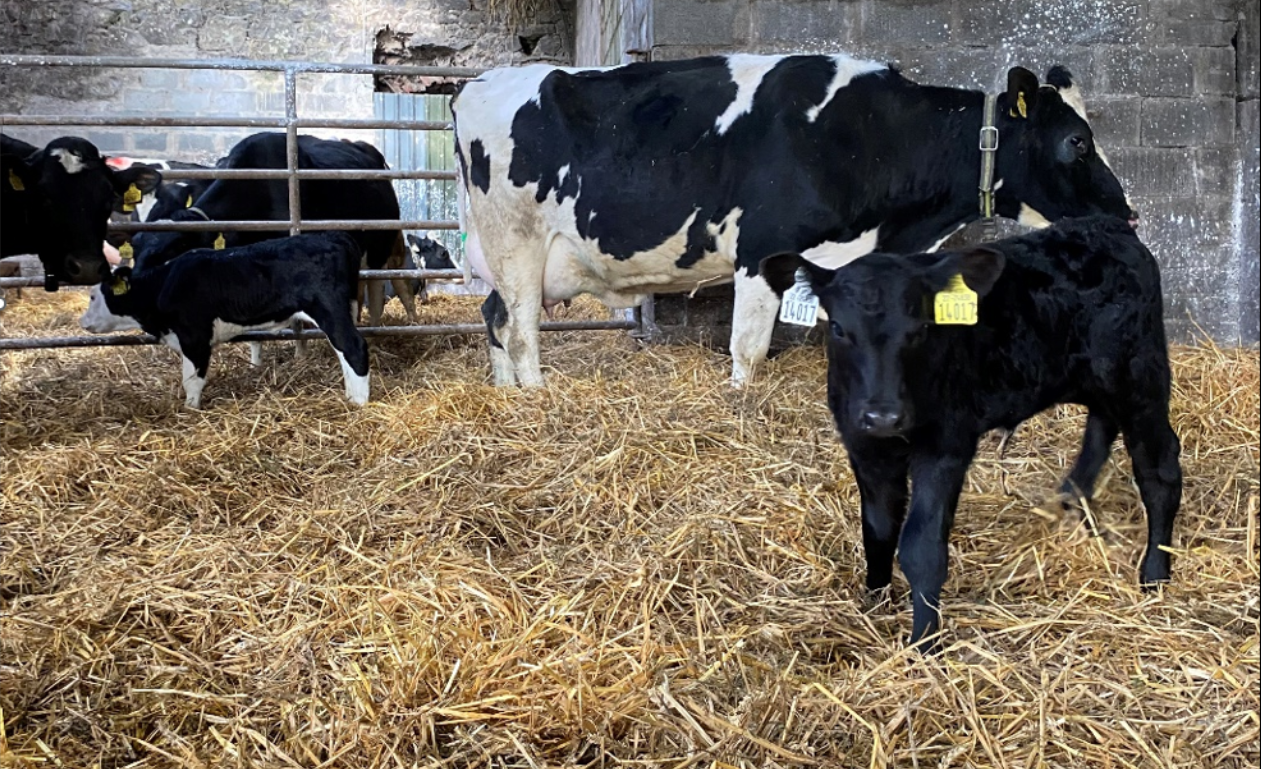
They needed to be tagged as soon as possible after birth. However, it is also important to ensure that they are dry to minimise the occurrence of ‘empty’ tags.
They should then be isolated from any pregnant cows until a negative test result is confirmed.
Remember, the longer a BVD-positive (BVD+) calf remains on the farm, the greater the risk of infection spreading, both within the herd and to neighbouring farms.