New drone concept could save dairy farmers an hour a day

A new Irish agri-tech concept is exploring how drone technology could help dairy farmers reclaim valuable time each day by automating one of the most routine tasks on the farm.
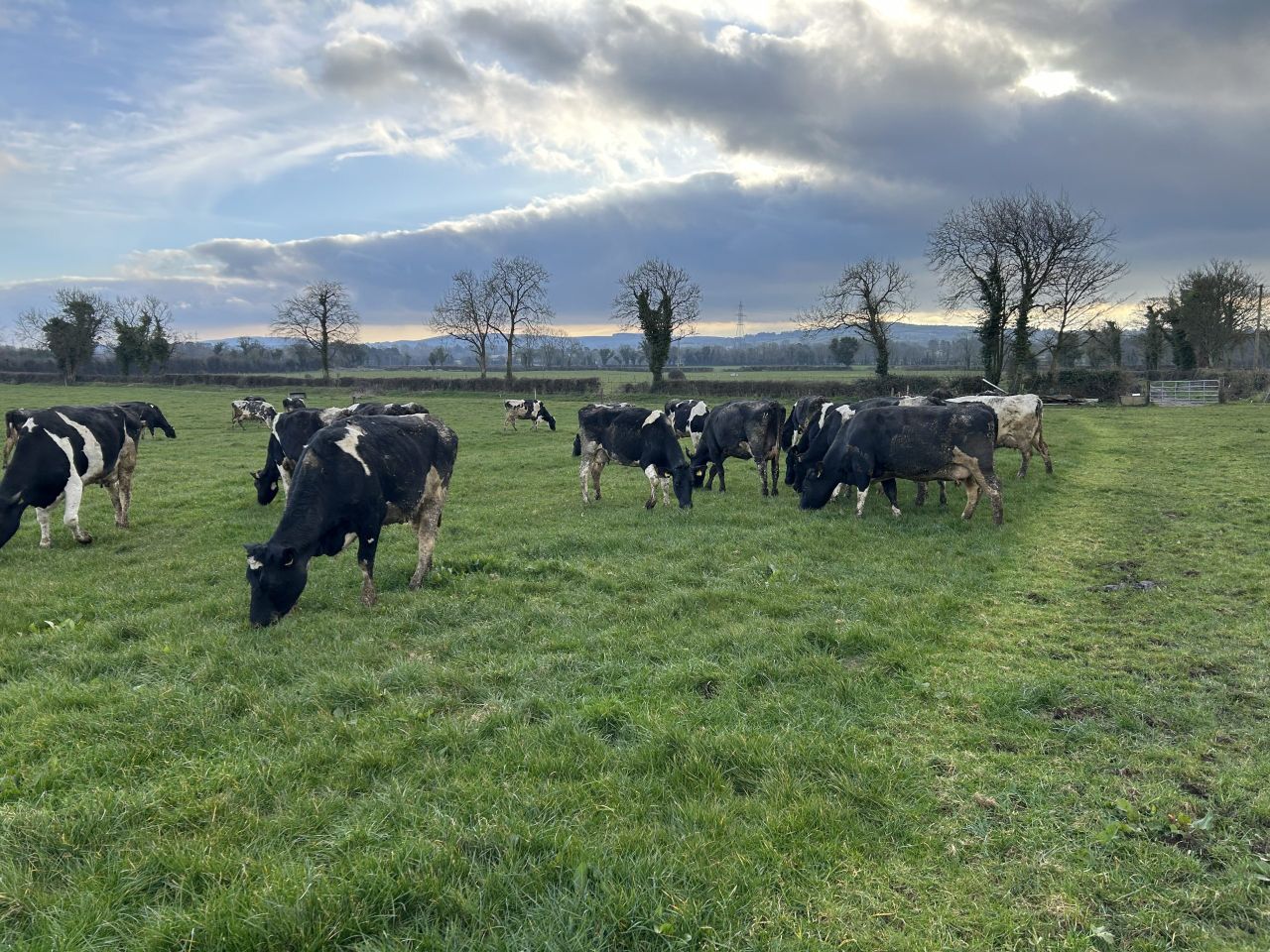
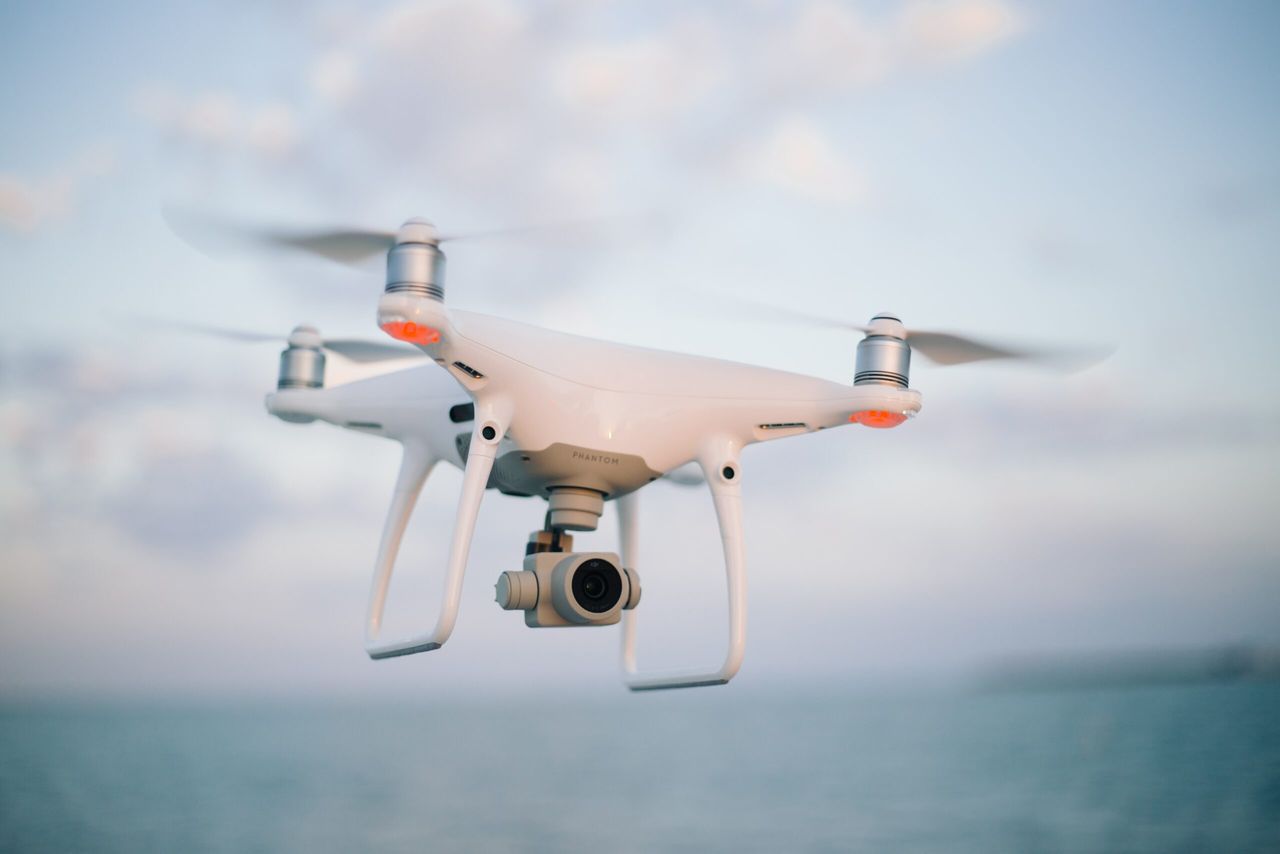
The system, currently being developed under the name BoverdPilot, aims to use a drone to herd dairy cows to and from the milking parlour, potentially saving up to two hours per day on farms operating twice a day milking.
The idea was first conceived by Offaly dairy farmer John Hickey, who pitched the concept as part of his MSc in Ag Innovation and Entrepreneurship at the University of Galway.
Fellow enrollees of the course, Marie Walsh and Catherine Rooney have joined up with Hickey to form the BoverdPilot team.
Speaking to Agriland, Hickey outlined that the concept stemmed from his lived experience as a dairy farmer.
He said: "As a full-time dairy farmer, time is very limited. It would take me half an hour to go for the cows in the morning and the same again to bring them back after milking.
"If you had something to do that job for you, that's where all the time can be saved."
The proposed system would see a pre-programmed drone leave at set times, travel to the paddock, and guide the cows back to the parlour.
After milking, it would then return the cattle to their designated paddock.
"The drone could be timed to lift off at 7:00a.m and round up the cows and bring them in; and when I have milking and washing done, it would lift off again and bring the cows back," Hickey commented.
For Hickey's daily farm routine, he reckons that such a system could save him up to 14 hours a week.
Features
The team is also exploring the possibility of integrating a farmer's own voice or herd call into drone's speaker, maintaining a sense of routine and familiarity for the cows.
Marie Walsh, who has past experience in the agri-tech sector, emphasised that the drone concept is centred on practical value rather than technology for its own sake.
"It's about having the eye of the farmer in the sky.
"When you're walking behind your herd, you're not doing it blindly; you're detecting who's lame, who's in heat and that's what we want to mimic with BoverdPilot," Walsh said.
The drone system is also pitched to include a camera and a complementary mobile app, allowing the farmers to monitor their herd remotely when the drone is gathering their cows.
Feedback
While drone use in agriculture has been around for awhile, the BoverdPilot concept focuses on an everyday task rather than surveying or mapping.
Initial farmer feedback to the concept has been positive, according to Hickey, who surveyed members of a dairy discussion group.
He added: "We got a very good response; there seems to be huge interest in it as a labour-saving mechanism.
"If you don't need an extra labour unit to bring in cows, you're saving time, money and labour."
However, some concerns were also raised within the surveying, particularly how livestock might react to drone activity, as well as broader hesitancy around drone use in rural areas.
Catherine Rooney, who brings a background in hardware and technology to the BoverdPilot team, highlighted that these concerns are being considered as part of development.
She said: "There can be wary attitudes towards drones, especially with concerns around privacy or security.
"But the idea here is a controlled, automated system that performs a specific routine, rather than something that's constantly hovering over neighbour's land."
Animal behaviour and safety are also key considerations for the project.
The team noted that dairy cows, particularly Friesians, are typically accustommed to routine, which could help them adapt to a drone-led system over time.
They also stated that drone routes could be programmed to account for obstacles such as trees or a farm's layout.
Looking ahead
The BoverdPilot concept remains at an early stage, with no prototype yet developed.
The team has outlined potential pricing tiers ranging from approximately €5,000 to €15,000 based on the model, with a mid-range option of around €7,500 expected to suit most farms.
For now, the focus for the project is on gathering more feedback from farmers to assess whether the idea has real-world potential.
Walsh said: "We're moving out the classroom and into the public domain.
"We're exposing our idea to road test it and see what feedback we might get back."
Survey
As part of the project's development, the team has launched a short online survey, which takes roughly three minutes to complete, inviting farmers to share their views on the concept.
Hickey described the survey as "just a matter of ticking a box", with an option for additional comments.
Farmers can share their thoughts about the project by filling out the following form.