MEP urges short-term fertiliser exemption from CBAM

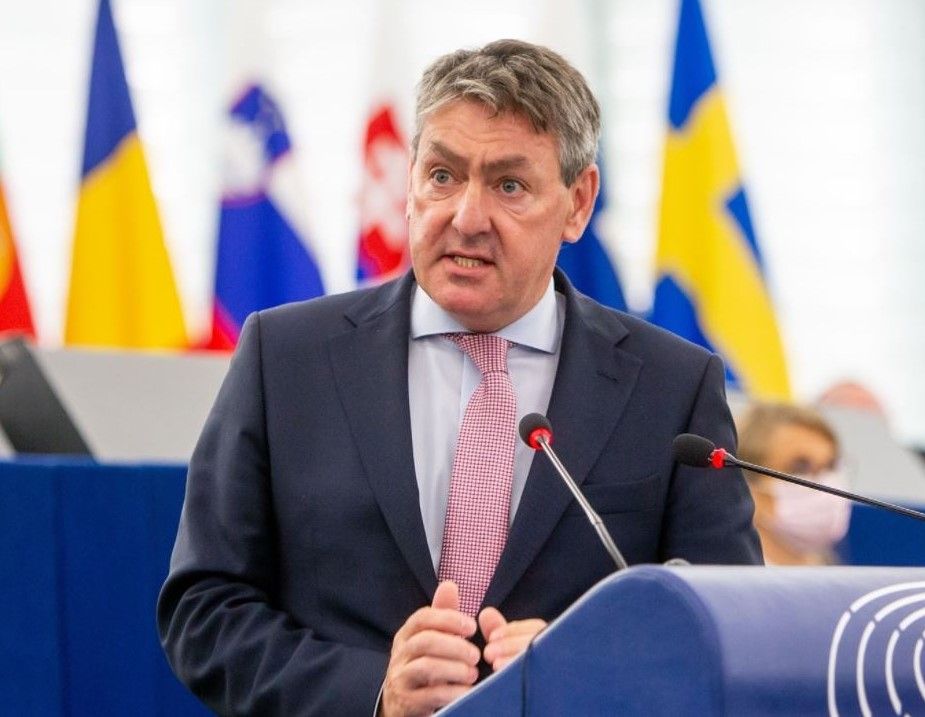
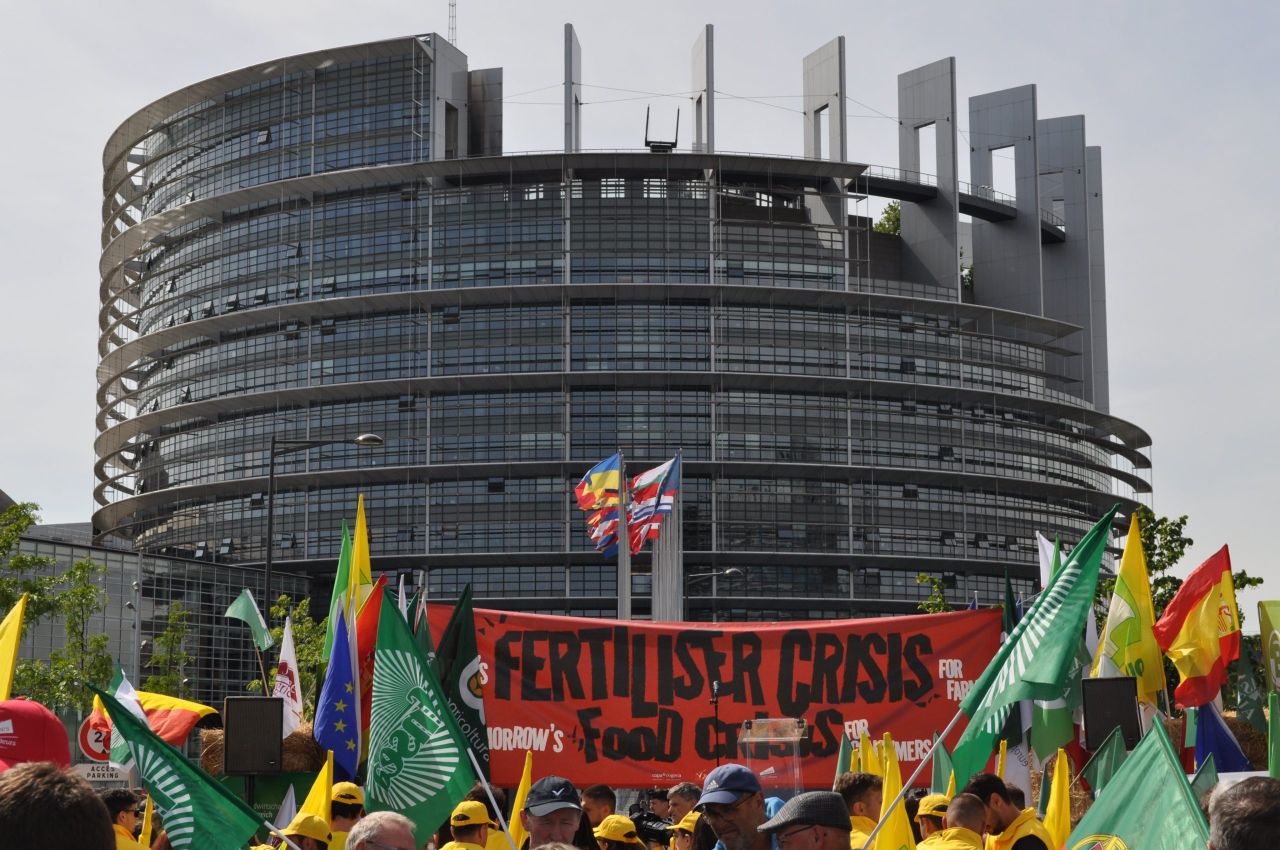
Fianna Fáil MEP Billy Kelleher has called for a short-term fertiliser exemption from the Carbon Border Adjustment Mechanism (CBAM).
CBAM, which came into force on January 1, is essentially a tax on imports of carbon-intensive products into the EU.
MEP Kelleher said there must be an exemption for fertiliser.
He said any other legislation must also be stopped from "negatively impacting the availability and price of fertiliser if we are to slow food inflation".
Fertiliser Action Plan
The Ireland South MEP made the request to the European Commission during a debate on the new Fertiliser Action Plan, which was unveiled yesterday (Tuesday, May 19).
“Fertiliser prices have rocketed over the last four years and have gotten worse due to the increase in price in fossil fuels which are required to produce fertiliser," Kelleher said.
"Fertiliser prices in Ireland have risen circa 20% for CAN and circa 60% for urea since the outbreak of hostilities in the Middle East.
“This rise in input costs for farmers is causing a rise in food inflation heaping further pressure on hard-pressed Irish households."
He said that Europe doesn’t produce enough of its own fertiliser, so we are required to import it from outside.
“That is where the problem lies with CBAM. Under the current regulation, CBAM is applied to fertiliser imports which will cause an increase in the cost. This cannot be allowed to happen," the MEP continued.
“Two weeks ago, I tabled an amendment, along with my Fianna Fáil collegues, to the file dealing with the extension of CBAM scope to downstream goods and anti-circumvention measures reminding everyone that the ability to remove fertiliser from CBAM due to distortions in the internal market is available under Article 27a."
Food security
MEP Ciaran Mullooly has warned that Europe is facing "one of the most serious food security challenges in modern times" unless urgent action is taken to reduce the soaring cost of fertiliser and fuel for farmers.
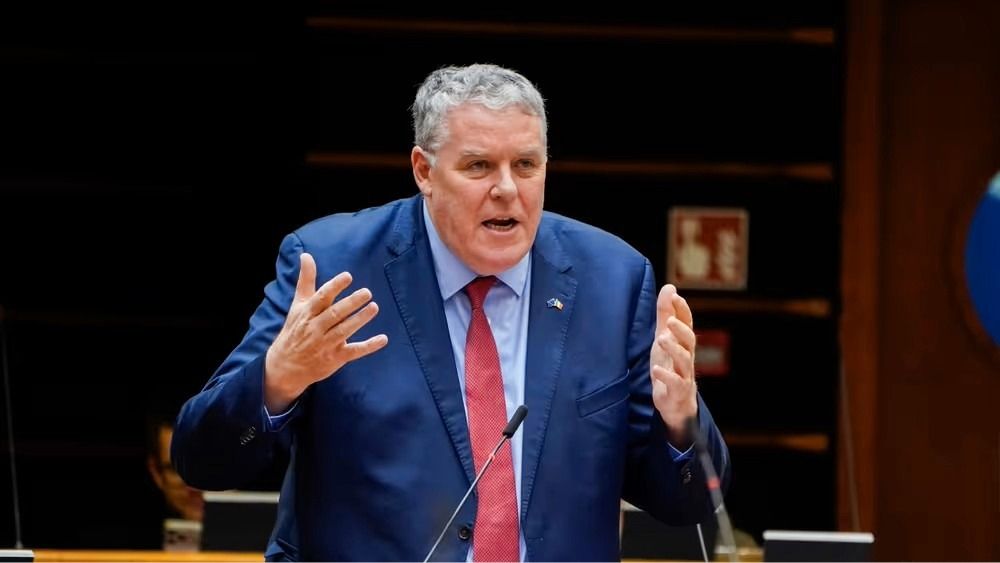
Mullooly said farmers across Ireland are facing a "harsh economic reality, with the cost of fertiliser, fuel, gas and oil making crop production increasingly unviable".
"Farmers in Ireland tell me clearly that the economics of sowing crops simply do not add up at the moment,” Mullooly said.
“If farmers cannot afford fertiliser and fuel, food production will inevitably fall and food security will be put at risk.
"This is why the EU must act immediately.”
Strain on many farms
Sinn Féin MEP for Ireland South Kathleen Funchion has condemned the commission’s Fertiliser Action Plan on the grounds that the proposals are "too abstract and does little to give concrete figures and timelines to struggling farmers".
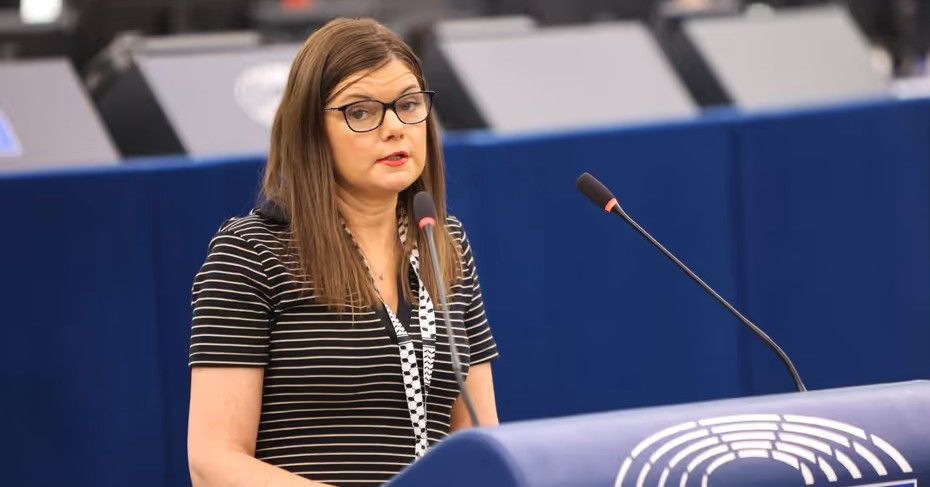
“The US war in the Middle East is into its twelfth week, and the commission is just now putting out its Fertiliser Action Plan," the MEP said.
“In that time fertiliser prices have risen by 40%, contributing to a 70% increase since 2024.
"These increases have been difficult for farmers to swallow and undoubtedly has put strain on many farms, large and small."
She said the overall outcome of the plan is "unlikely to be enough" to avoid food inflation, and would "reduce farm incomes in the latter half of the year".
“The plan is too abstract, it does not offer concrete figures of support for farmers or outline a timeline for ‘mobilising the EU budget' as it pledges to do," Funchion said.
She said the Irish government must act.
"[It] must swiftly implement the supports the commission has outlined and pair them with an ambitious state aid support plan for farmers to alleviate the costs of fertilisers," Funchion said.