Meeting to take place today at DAFM over rising fuel costs

A roundtable discussion will take place later today (Friday, April 10) with government representatives, farmer representative organisations, hauliers and contractors over rising fuel costs.
The meeting will be hosted at Agriculture House in Dublin by Minister for Agriculture, Food and the Marine, Martin Heydon, Minister for Transport Darragh O'Brien and Minister of State at the Department of Agriculture, Food and the Marine (DAFM), Timmy Dooley.
There seems to be a lack of clarity as to whether or not protestors who are not members of a national representative group will be allowed to attend the meeting.
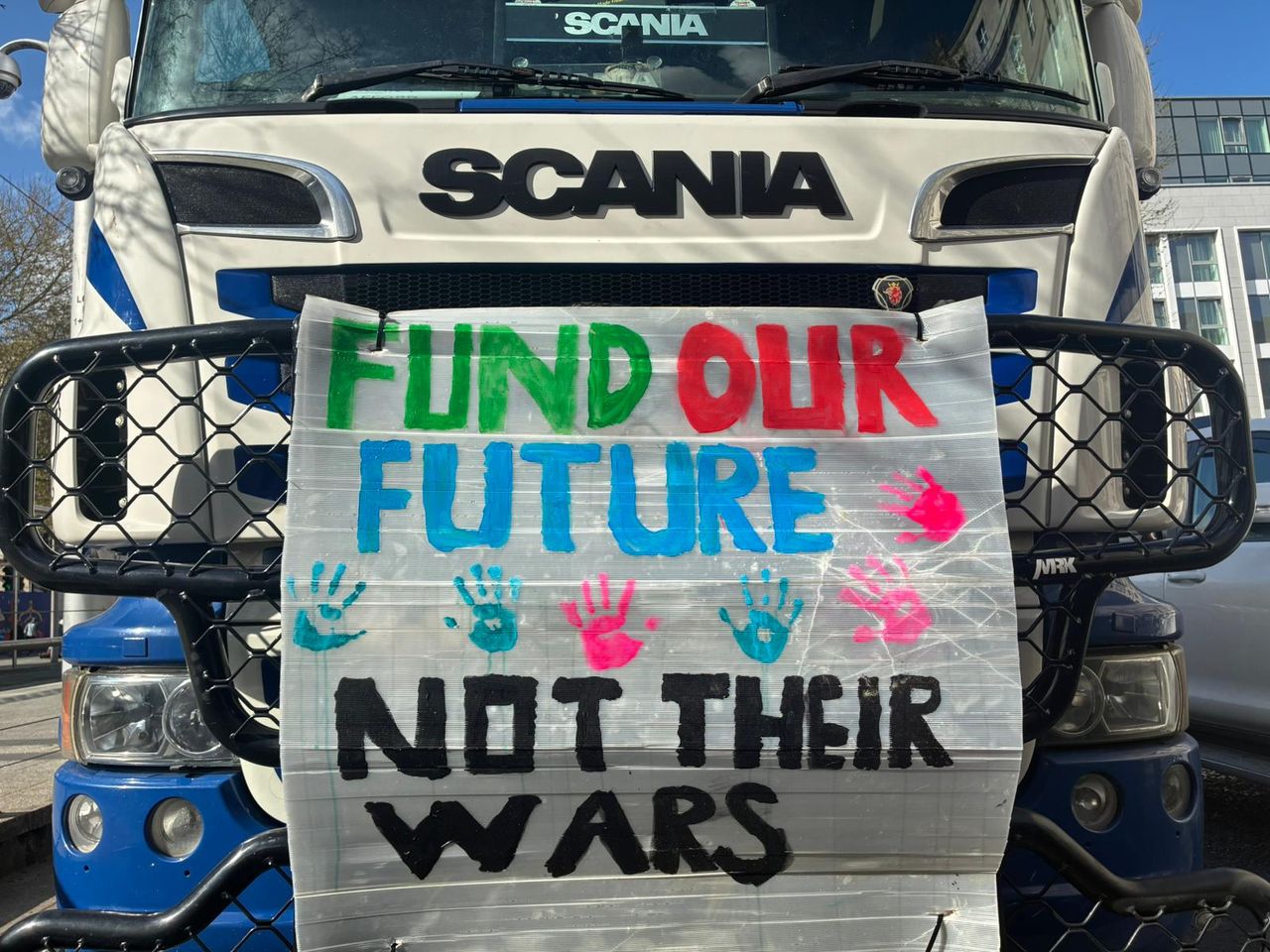
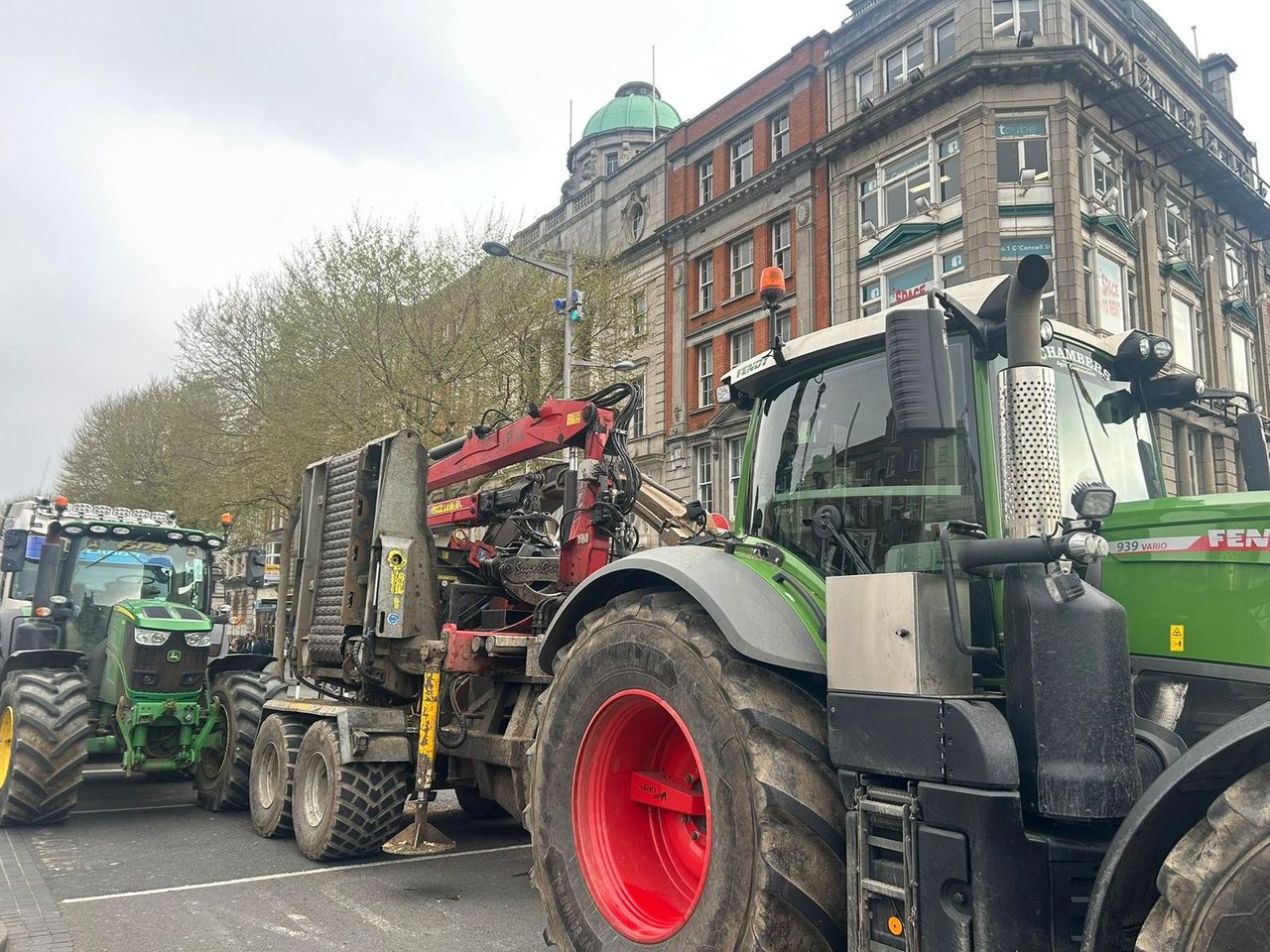
Those protestors with trucks, tractors and buses on national routes and who have blockaded fuel depots in Galway, Limerick and Cork have said that the protests can end if the Tánaiste and Taoiseach agrees to meet them.
They claim they cannot sustain such large jumps in fuel costs as a result of the cost of oil rising since the US began its conflict with Iran.
Speaking to Agriland yesterday from the protest line, protesters said that they were determined to stay for as long as it takes and are angry that the government "is out of touch with reality".
Many felt that they had no choice but to travel to Dublin to highlight their personal circumstances - despite the fact that it would cost them, because they are losing out on work while they are there.
An Garda Síochána advised fuel protestors yesterday to immediately cease blockades of critical infrastructure or "face the full rigours of the law".
It followed an application by gardaí to the Defence Forces to assist, if necessary, in the removal of blockades at national vita infrastructure locations.
Despite the warnings, protestors seems to have become more resolute with even further crowds of farmers, contractors and hauliers joining the blockades, particularly at the Port of Galway.
Fuel shortages
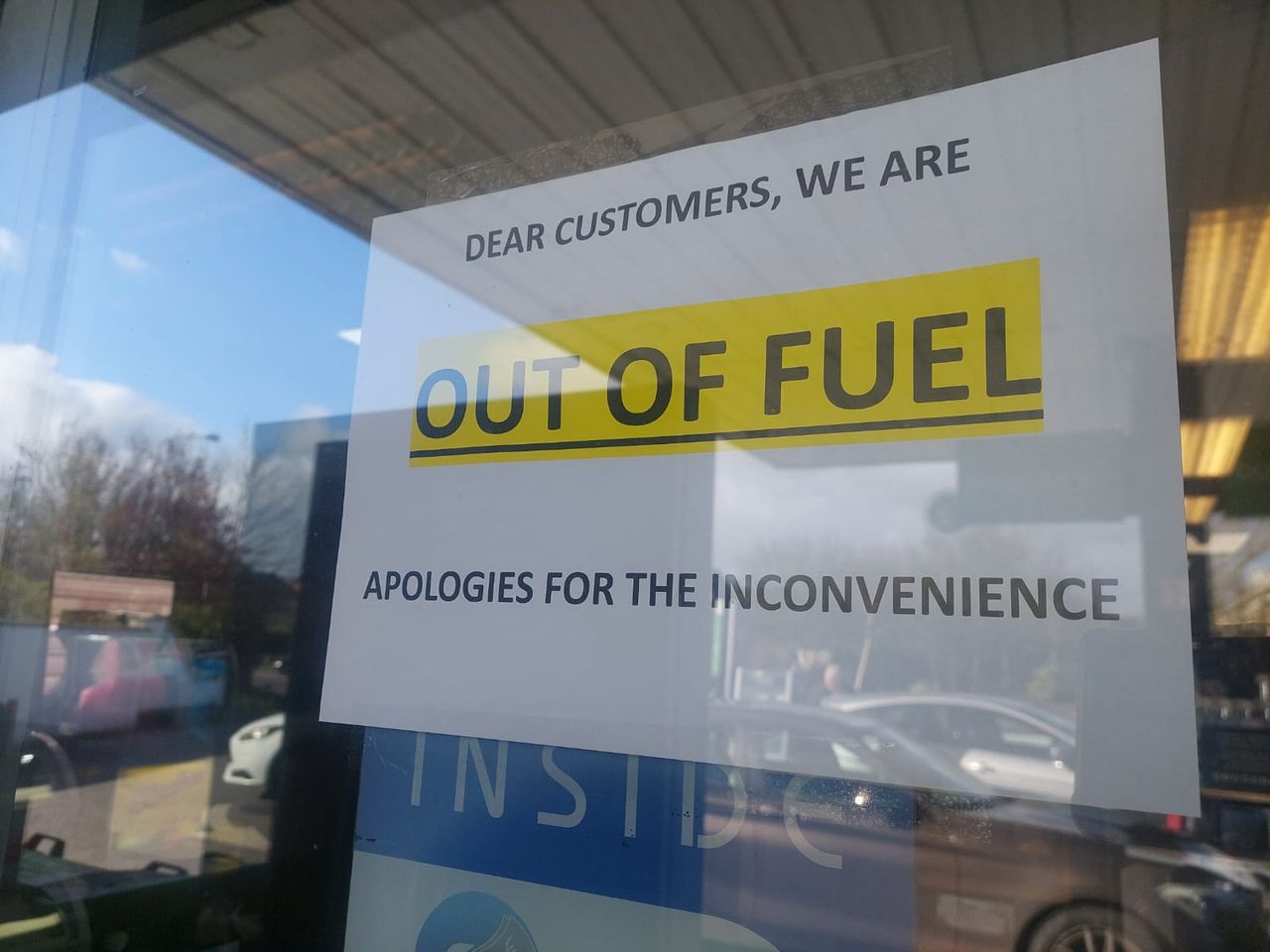
Dozens of fuel filling stations on the west and south of the country have had to close their fuel pumps as a result of the blockades at major depots.
Fuel has not been delivered to many filling stations and therefore they have run out of petrol and diesel and green diesel.
Mayo, Galway, Kerry and Limerick are particularly affected as there were long queues of traffic in many towns and villages along the western seaboard yesterday who were queuing for fuel.
The National Emergency Coordination Group (NECG) met yesterday to assess the impact of blockades and transport disruption caused by the ongoing fuel price protests.
The group also examined the impact of the protests on "vital services" across the country.
The NECG is made up of major government departments and state agencies who coordinate the national response to emergencies.
The group heard that was the blockades are continuing to "cause significant disruption for the public, to supply chains and vital services, including emergency services and public transport".
Members of this group were also told that "Ireland’s fuel supplies overall remain robust and resilient".
It is more so a distribution issue as fuel cannot get out of the blockaded depots.
It's understood that the government is working on a plan to ensure emergency and medical vehicles can remain fuelled.