Managing summer scour syndrome in calves at grass


Summer scour syndrome has become a real worry as calves get out to grass, especially when we do not know the exact cause of the condition.
Farms need to be on the look out for the syndrome when calves do get out to grass, as it is most common within a month of turn-out to grass and up to 12 months-of-age.
It may seem mad to be talking about calves out at grass, considering how wet the spring has been, and especially when a lot of cows are still indoors.
However, one dry week will make all the difference and soak up a lot of places, and before you know it, calves will be out, so there is no harm in being prepared.
Summer scour syndrome
Summer scour syndrome is a relatively new condition, which ultimately means we only know so much about it.
We do know that is causes scour and rapid weight loss, while induvial cases may involves lethargy, weakness, and lack of rumination.
If untreated, the syndrome can progress rapidly, causing the calf to become extremely weak, which in some cases results in death.
Research is currently ongoing to determine the exact cause, but for now we can only work with what we've got.
As it stands, research is indicating that inadequate rumen development may be contributing to the syndrome.
That is why rumen development is crucial throughout the early stages of the animal's life, as well as successful weaning.
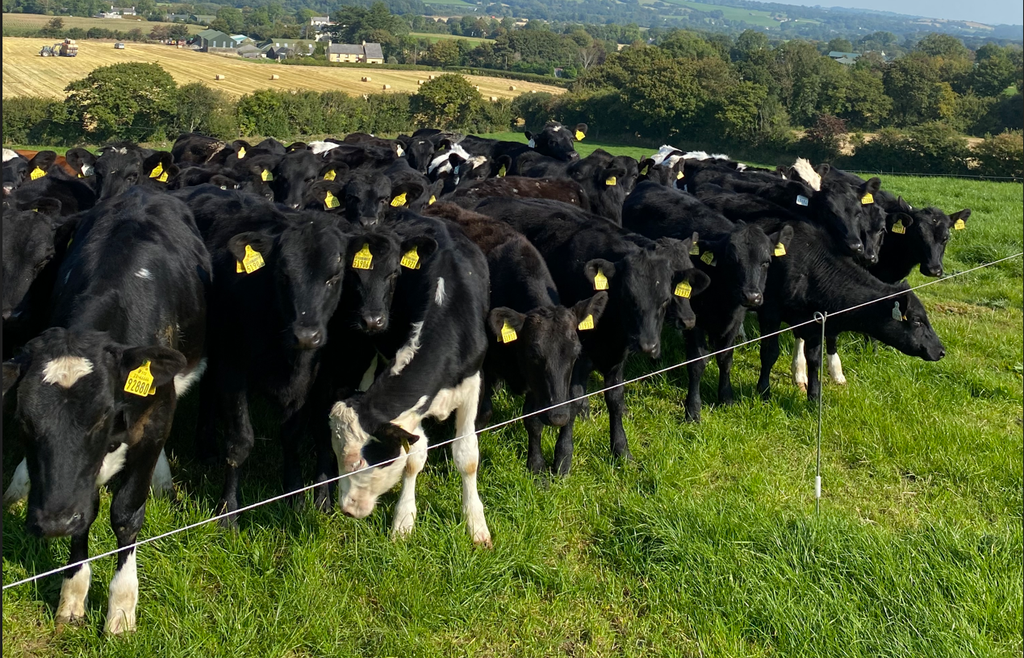
We also know that the disease often occurs when calves are grazing lush pastures with a high crude protein (CP) content (>20%) and a low fibre content (<40%).
It should be remembered that calves are selective grazers that will continue grazing the leafier parts of the grass.
Therefore it is important to select paddocks carefully rather than just putting them in the same one each year because it is the 'calf paddock'.
Fresh grass should be offered to them regularly, while also ensuring that they do not remain in the same paddock for long periods of time.
Aim for pre-grazing covers of 1,000–1,400kg DM/ha.
Fibre
In a perfect world calves would graze the farm in a leader/follower system, grazing ahead of yearlings.
Calves will need a good source of fibre in the diet until they are able to handle high quality grass.
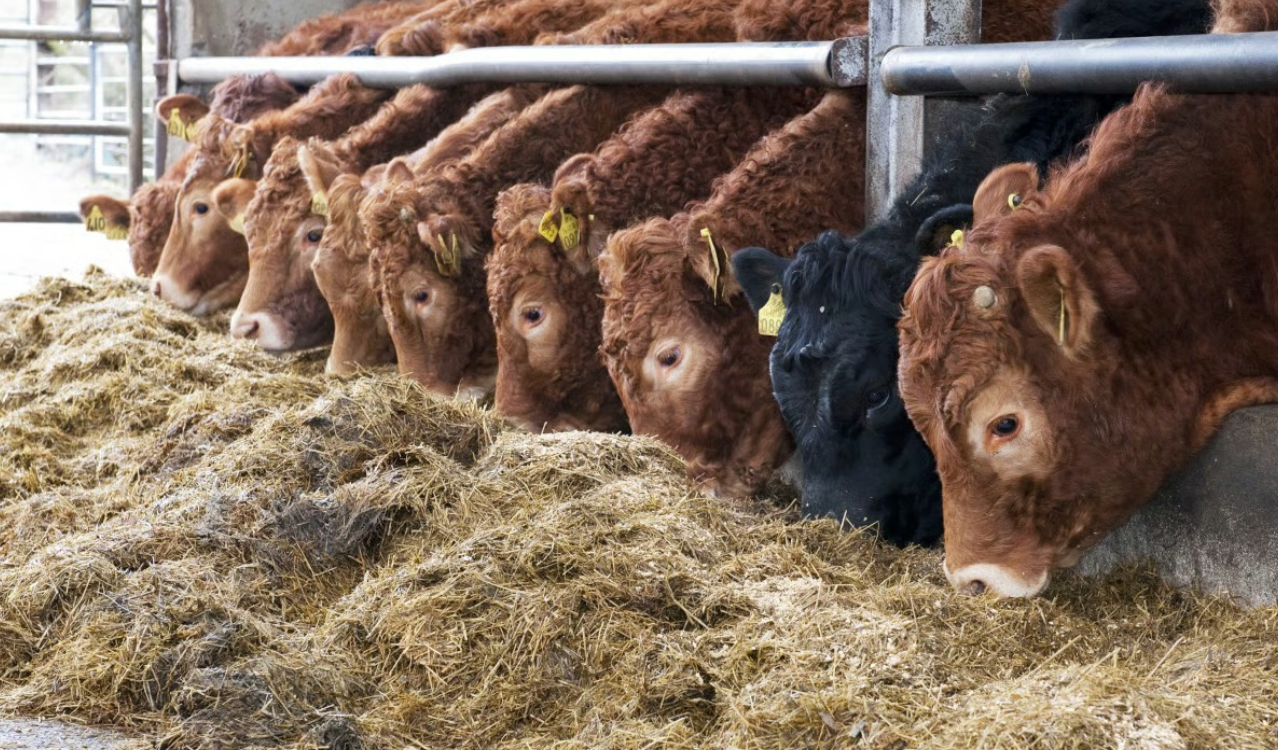
A practical way of correcting the fibre deficit for your calves is to introduce hay or straw into the diet while they are out at grass.
It is important to keep this hay or straw fresh and to keep it in their diet for the first number of months out at grass.
It is crucial in the first four to six weeks after turnout to grass to closely monitor your calves for any evidence of scour and weight loss, so you can detect the condition early and treat accordingly.