National Emergency Group mobilised to assess fuel protest 'disruption'

The National Emergency Coordination Group (NECG) met today (Thursday, April 9) to assess the impact of blockades and transport disruption caused by ongoing fuel price protests.
The group also examined the impact of the protests on "vital services" across the country.
The NECG is made up of major government departments and state agencies who co-ordinate the national response to emergencies.
The group heard today that was the blockades are continuing to "cause significant disruption for the public, to supply chains and vital services, including emergency services and public transport".
Members of this group were also told that "Ireland’s fuel supplies overall remain robust and resilient".
According to the government the current situation "is solely a distribution issue" which can be resolved if protesters end the blockades.
Fuel price protests
Protests across the country over high fuel prices have entered a third day.
The protests, which began on Tuesday, have seen slow-moving convoys of tractors, trucks, buses and other vehicles on motorways.
Protesters have called on the government to reduce fuel duties and remove carbon taxes on green diesel.
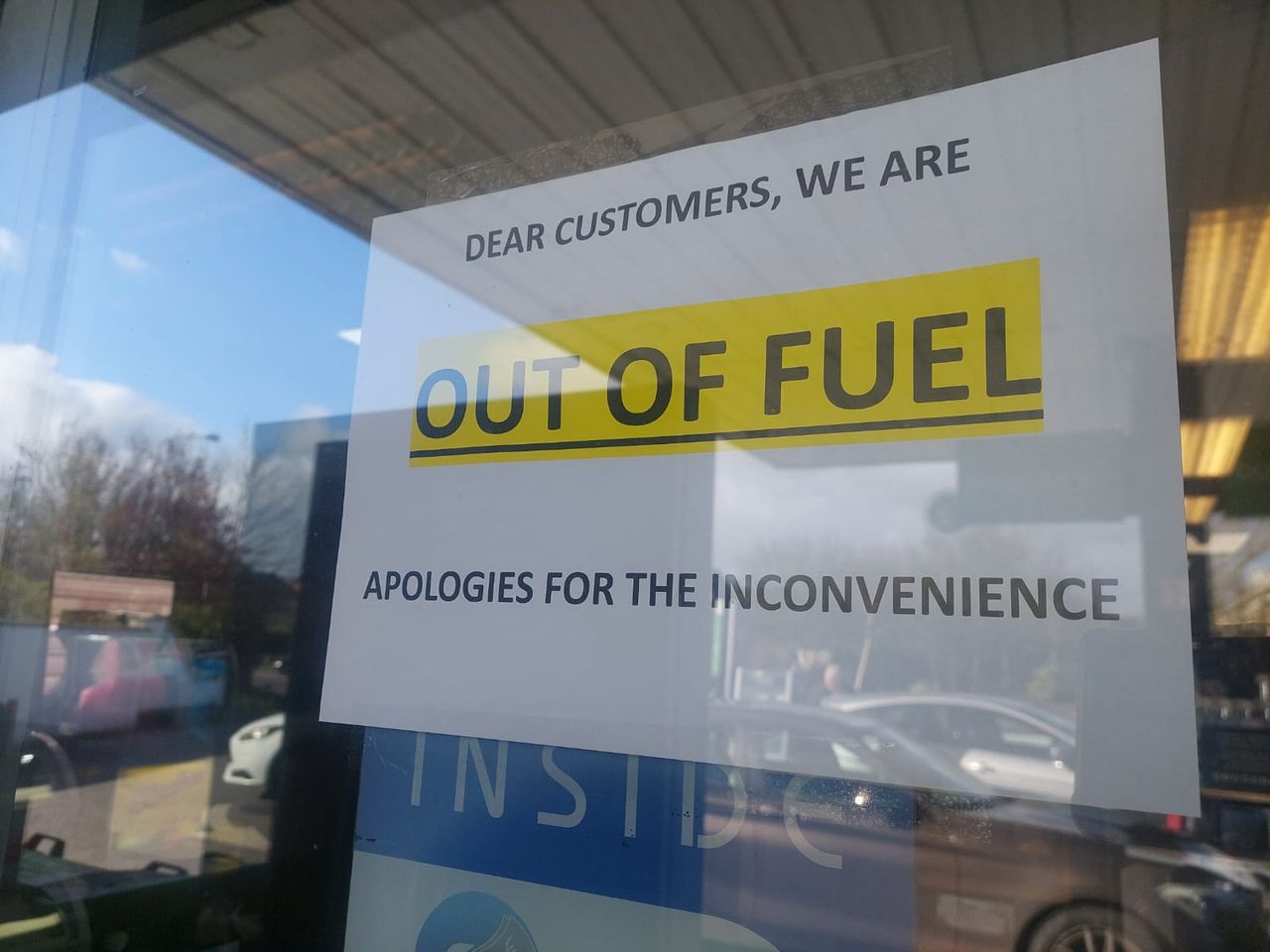
The government has warned that road access to a number of ports continues to be constricted and this in turn has affected the distribution of fuel to service stations in some parts of the country.
It has also highlighed that 2 number of emergency services "operate on the basis of fuel cards" and there are concerns about access to fuel for emergency service vehicles.
A new NECG sub-group has now been set up to focus on the specific impacts on the emergency services fleet and to consider possible contingencies according to the government.
Medical appointments
One key issue that was discussed at the meeting today was in relation to the impact of the protests on people who need to attend hospital.
The Health Service Executive (HSE) told the group that transport disruption is causing people "to miss scheduled medical appointments and is impacting the provision of homecare and critical care, such as dialysis and cancer treatment, to some service users".
It also advised that the blockades could potentially disrupt the "time-sensitive delivery of key medicines and medical devices, given that frequent and reliable transport is critical to their supply".
Agri-sector
Separately the NECG was also told that the fuel price protests are having an impact specifically on the agricultural sector.
This is because, according to the government, key access routes from ports "is now threatening the provision of animal feed supplies and other vital materials, resulting in potential animal welfare issues and a threat to livelihoods".
The group also heard that some farms are experiencing disruption to fertiliser delivery.
An Garda Síochána
An Garda Síochána has said that it is operating the "4 Es" model – "engage, explain, encourage, enforce" in respect of the fuel price protests.
According to An Garda Síochána "following positive engagement some critical deliveries have departed Foynes Port in Co. Limerick this afternoon".
However it has also advised that "policing is moving into enforcement stage" in relation to the protests and cautioned that "those involved to immediately cease blockades".
The government has outlined that An Garda Síochána and the Defence Forces are working collaboratively in this regard.