Listen: What's it like milking Fleckviehs in the Burren?
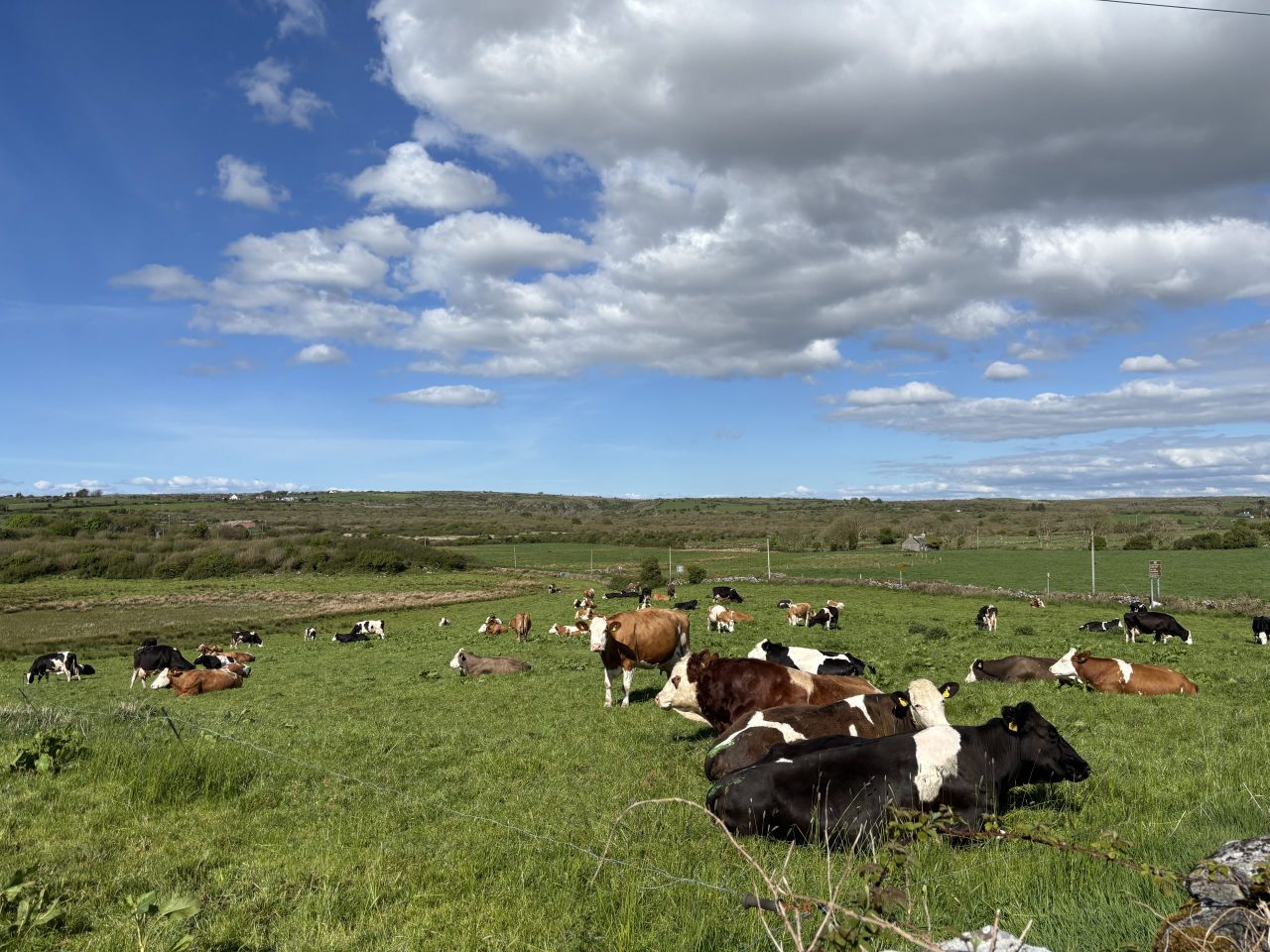
Nestled in the heart of the scenic Burren in Co. Clare is the Caherconnell dairy farm, run by Paul and Judith Davoren.
The Davorens featured on the fourth and final episode of Agriland's limited podcast 'The Dairy Trail' podcast earlier this week.
The family has been milking 65 cows on a 70ac block for the last 12 years, with Paul's father John milking on the platform prior to that.
The family is kept well busy between the dairy herd as well as a beef enterprise on an out block in Ballyvaughan, while John operates a sheep enterprise, as well as Caherconnell Fort and Sheepdog Demonstrations, which is a well-known tourism business in the area.
Dairy system
Between Paul and John, the farm traditionally milked all British Friesian cows.
However, Judith noted that when they inherited the farm in 2014 the herd was having issues with fertility, lameness, and calf vitality.
Therefore, she undertook the task of research and development to see if another breed would be more suited to their system.
Judith recalls how Teagasc were promoting crossbreeding with Jerseys at the time, but that option was not for them.
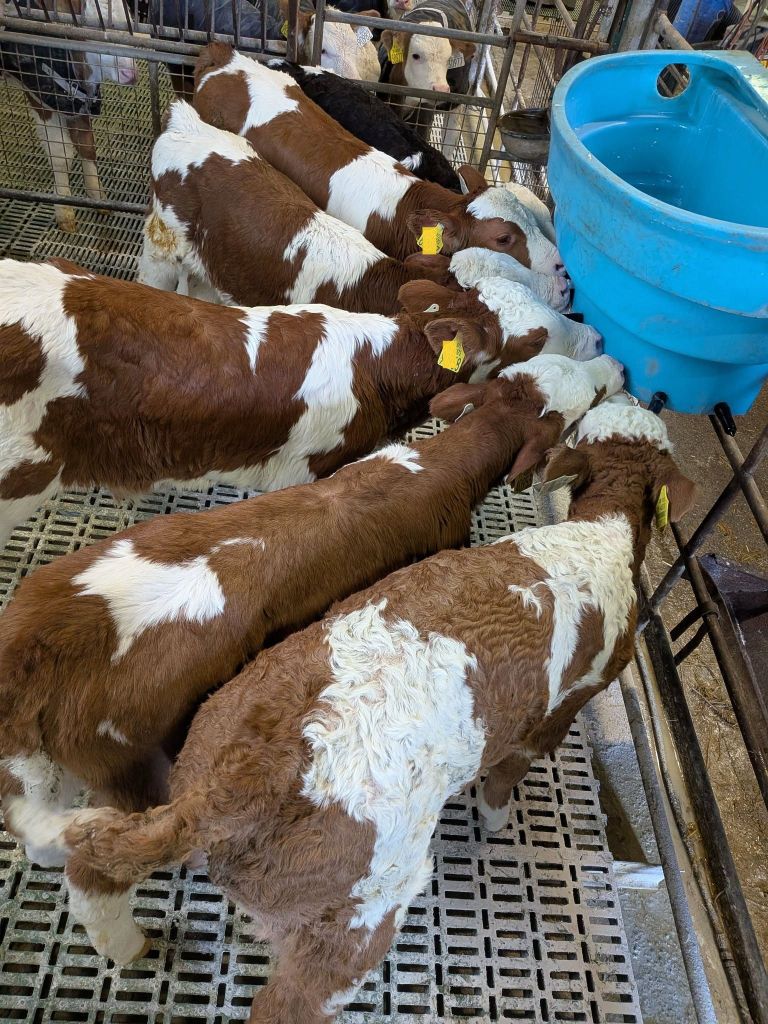
Fortunately, she came across the Fleckvieh breed, and after some skilful sourcing bought in 10-15 straws and has never looked back since.
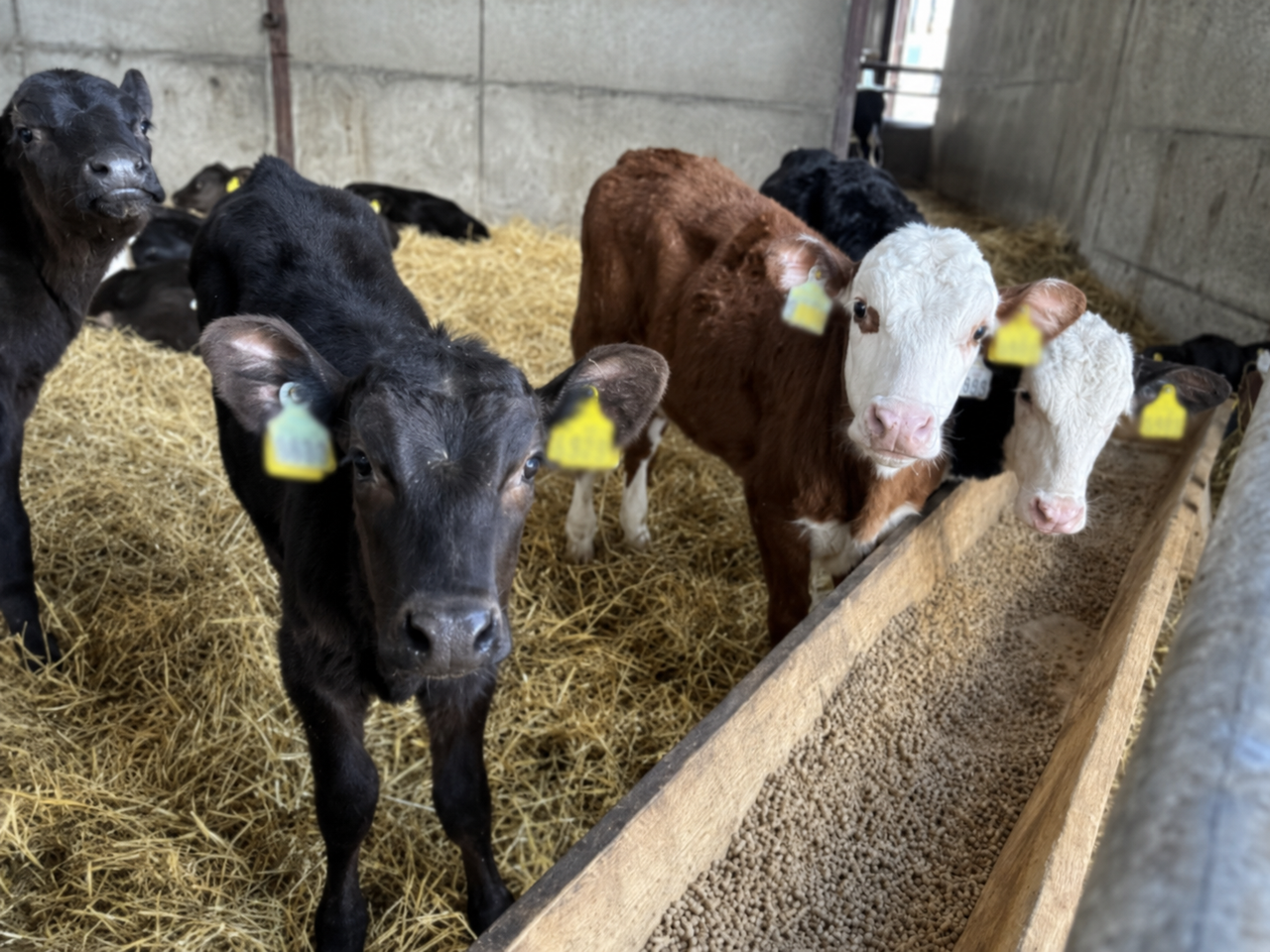
The herd is now nearly entirely Fleckvieh cross, with the first 97% Fleckvieh calf born this year.
Paul said they moved to 100% stock bull for the first time in the 2025 breeding season, which evidently worked out great for them.
The family had a really compact calving season off it, with 85% of the herd calved down within four weeks, as well as labour being significantly reduced.
However, with Judith's keen eye for genetics paired alongside the large database of information on the breed, it is looking likely that artificial insemination (AI) will make a return in some format in the future.
The farm is operating a once-a-day milking routine since 2019, which does also make AI that bit harder.
Paul also noted that once-a-day milking makes it harder to sell animals, as the figures to back the stock up are not there, despite production only back 30%.
On the flip side of once-a-day, the Davorens noted that health improved massively, between fertility, lameness, and issues such as mastitis, which has significantly improved their cull rates.
Paul said he would recommend it to other farmers as it has made life at lot easier and relaxed, but noted that it is a hard decision to voluntarily take a reduced income.
Dairy Trail
During the podcast, the Davorens speak about the beef side of the Fleckvieh breed, and what the appetite is like in the mart for them.
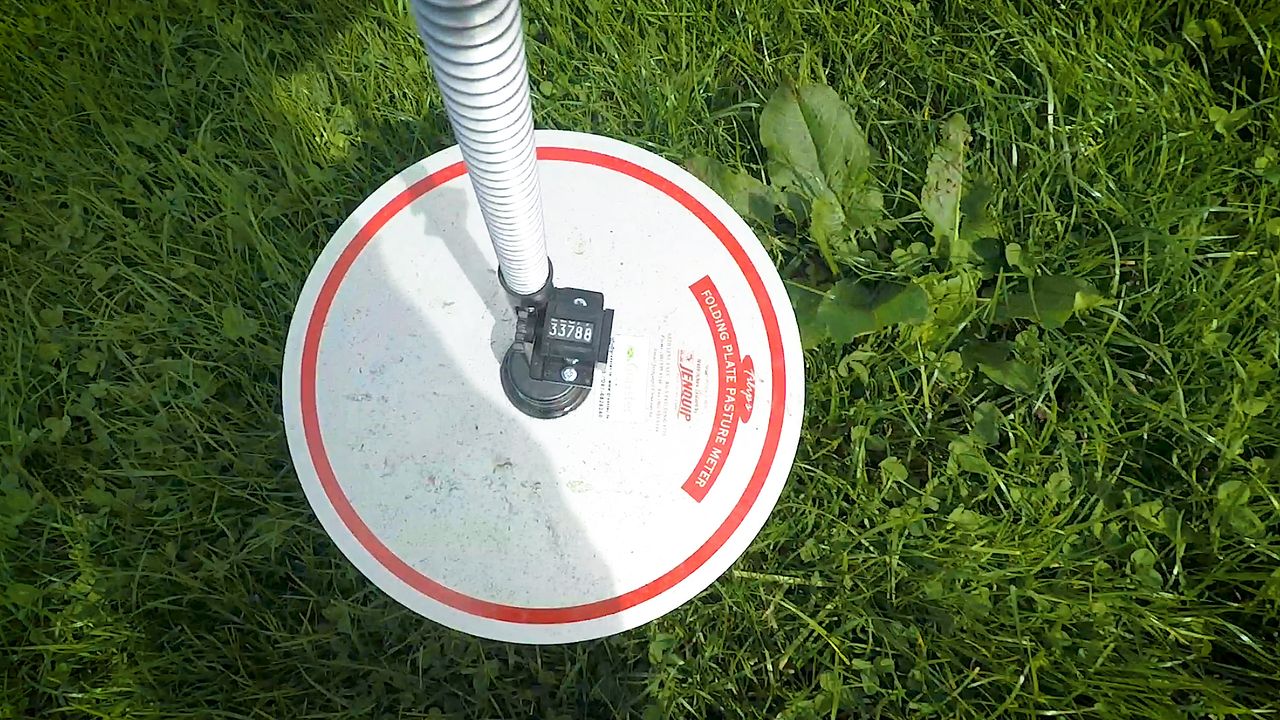
We also hear about farming in a glacial valley, and what is involved in terms of their grassland management.
Paul noted that this was the first year there was no decision, that the sandy nature of the ground meant the land was 'a bog' and there was no getting out until late in the season.
Now that grass is growing, Paul talks us through the struggles of surplus grass, saying there are some fields that "you could drop a mower on and it will not come back out due to the stones".
That also means reseeding is also virtually impossible on the farm, as is silage, with Paul talking us through their workarounds.
We also hear about getting fertiliser and slurry out, and managing the environmental aspects of farming in such an area of nature, as well as supplying milk locally to produce artisan cheese.
So make sure to tune into the podcast to hear about the whole farm system.