INHFA sceptical coupled payments will deliver for farmers


The Irish Natura and Hill Farmers' Association (INHFA) has questioned whether coupled payments would deliver for farmers.
The current proposals on the table for the next Common Agricultural Policy (CAP) for 2028 to 2034 would provide for payments coupled to production of beef, sheepmeat and other outputs in cases where the sector in question is undergoing economic challenges.
However, the INHFA has said that making a direct payment on specific livestock, while appealing, would "not deliver any increase in income for the vast majority of farmers".
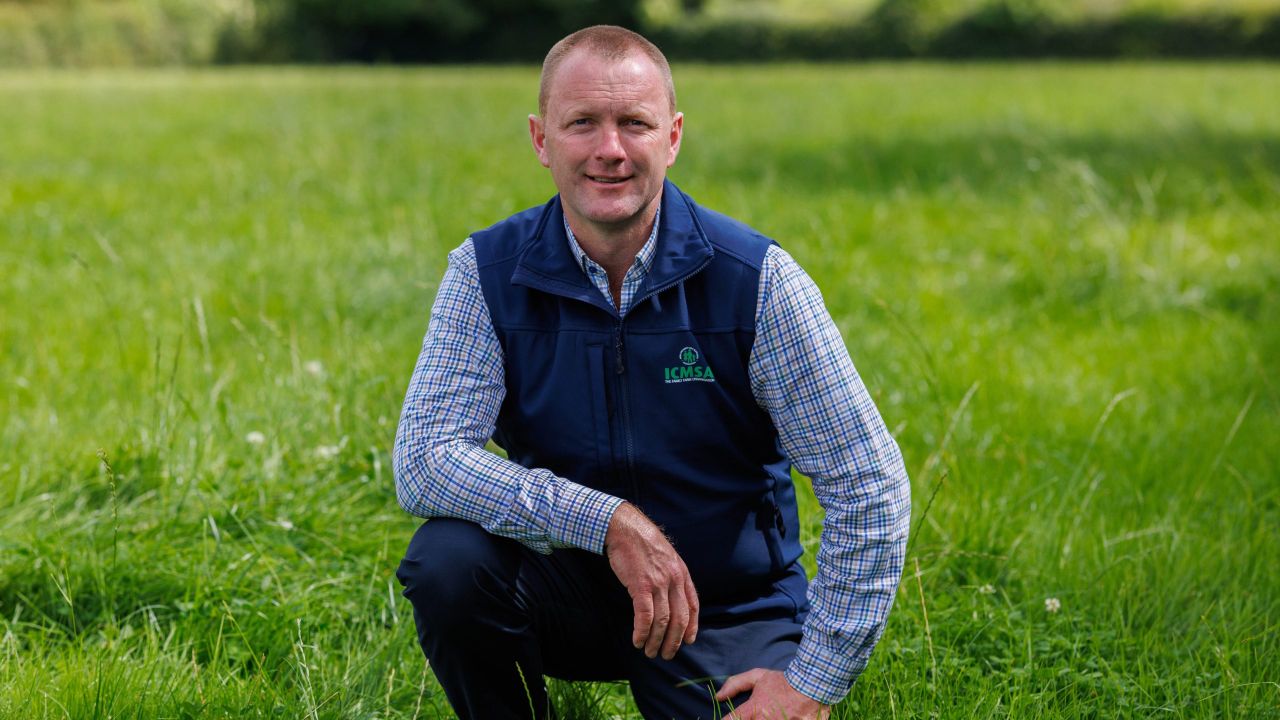
Pheilim Molloy, the organisation's president, claimed that "the likelihood" is that most farmers would take a heavy hit on their income if coupled payments were introduced.
Under the CAP proposals, member states could use up to 20% of their national envelope under their National and Regional Partnership Plan (NRPP) - which CAP money would form a part of - for coupled payments, and could increase this to 25% in certain cases.
Molloy said: "It is vital the everyone understand that the money for coupling is farmers' own money".
"For example, a farmer that, under the new payment model could expect a payment of €200/ha, would, at a 20% coupling rate, see their payment fall to €160/ha," he claimed.
Molloy added: "This farmer may get some of this back if they have suckler cows or sheep. However, there is no guarantee [coupled payments] will be paid on sucklers or sheep, and even if it is, the likelihood is that current supports for sucklers or sheep [such as beef and sheep welfare schemes] will not be available because farmers are already getting a payment on their livestock.
"This is a clear case of robbing Peter to pay Paul, and the only ones that will benefit will be the state and the meat processors because the payment will require retention periods," the INHFA president argued.
Those retention periods would, Molloy claimed, increase "the administrative burden on both farmers and the Department of Agriculture".
This would in turn, he said, result in a slowdown in payments.
He also suggested that retention periods may distort the market for cattle and sheep.
The INHFA leader called for a simplified CAP "with farmers given the freedom to trade their livestock at a time that suits them and not be restricted by compulsory timelines that will best suit feedlots and the meat processors".