Grassland management: Will pre-mowing be needed next week?

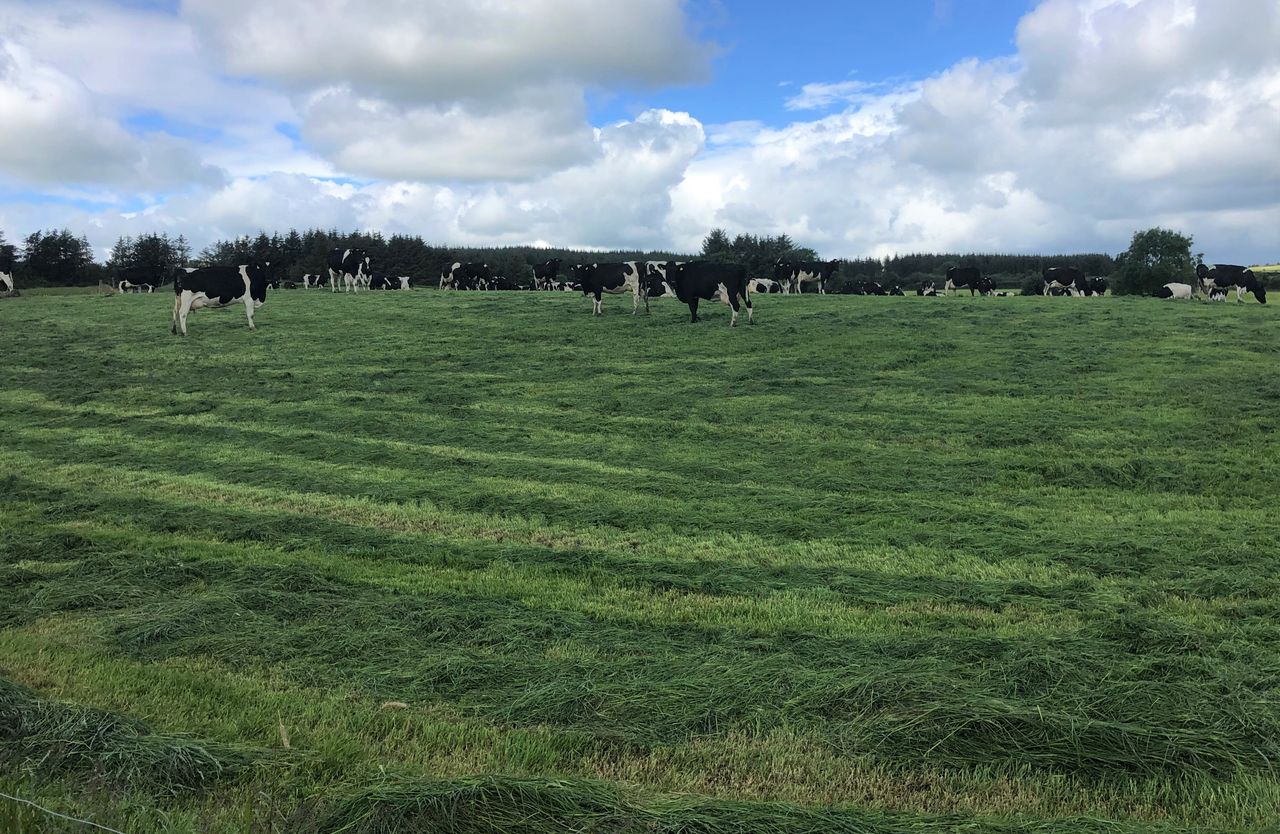
We have had plenty of rain so far this month, and now with a warm front rolling in, grass growth will be getting increasingly hard to manage.
A lot of farms across the country are struggling to keep on top of covers as grass growth drives on, meaning cows are ending up in heavier pastures which ultimately affects their production and your cheque.
To deal with this, many farmers take paddocks out of the rotation for surplus bales, but this may not work for every farm, depending on factors such as stocking rates.
Therefore, it may be best to consider options such as pre-mowing to keep on top of the farm's grass quality.
According to PastureBase Ireland, average growth across the country was 65kg dry matter (DM)/ha, but higher in individual areas.
That means grass will quickly be hitting the reproductive stage and rapidly dropping in quality.
Pre-mowing
There will always be the argument that farmers who are efficient at grassland management will not need to pre-mow or top paddocks.
But in reality, grass availability can swing so quickly that these practices can become the best form of management, rather than consistently trying to play catch up and entering heavy paddocks.
Obviously the best way to correct grass quality is shortening up your rotation length by reducing supplements in the diet or taking out paddocks for bales, but as mentioned that is not always feasible.
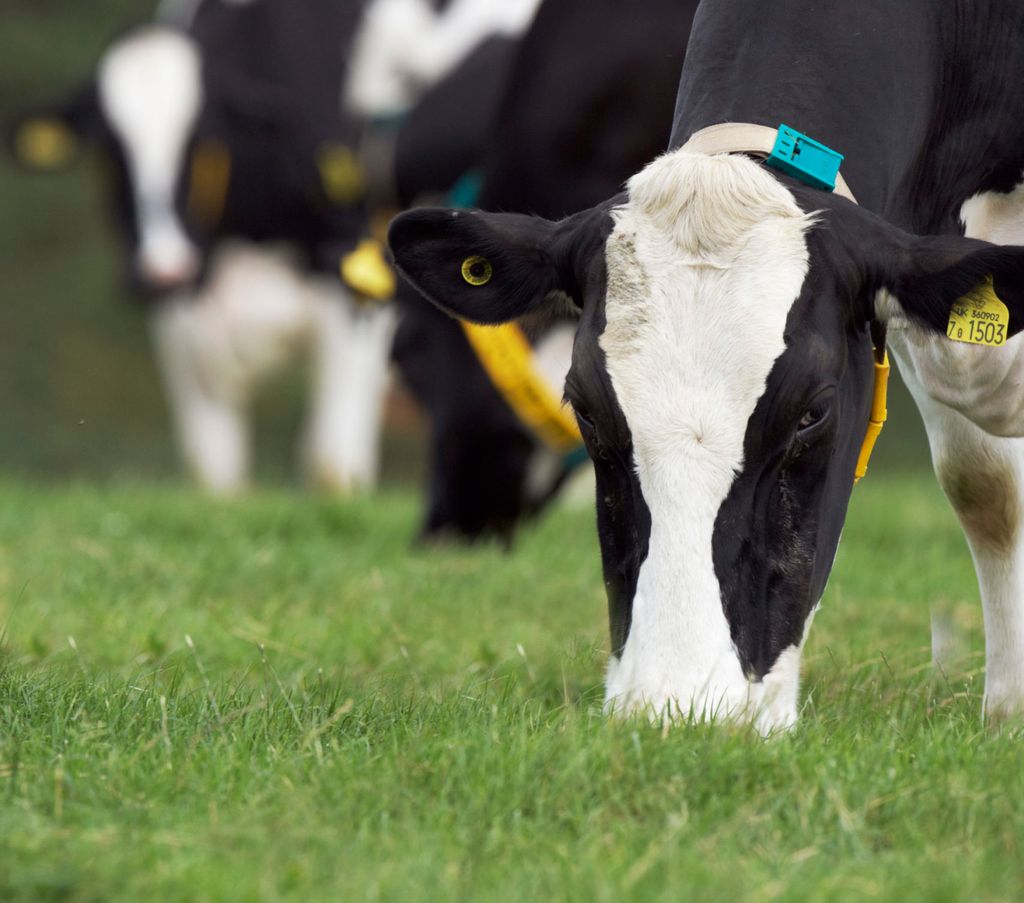
Pre-mowing can be used on paddocks that have gone too strong or have a large amount of stem present.
This practice encourages the cows to eat all of the plant, including the stem, which will ultimately increase intakes.
On the other hand, you are taking away the cow's choice of what grass to eat, which may result in them eating too much low quality stem, which will affect milk production.
This shows that pre-mowing needs to be well managed and not used as a replacement for good grassland management.
While it can be a good tool when falling behind on the rotation, it must be used sensibly.
It will help farmers get back on track and to maintain their pre-grazing yield between 1,300-1,500kg DM/ha.
Grazing over this threshold will have an effect on animal performance, grass recovery, and clean outs.
Yet PastureBase's records for last week show 52% of farmers were entering paddocks with average pre-grazing yields of 1,718kg DM/ha.
Farmers should continue walking their farm every five days to see what is ahead of them in order to decide whether they need to take out bales or if pre-mowing may be an option.