Deer culls should be 'on more concentrated basis' - hunting association
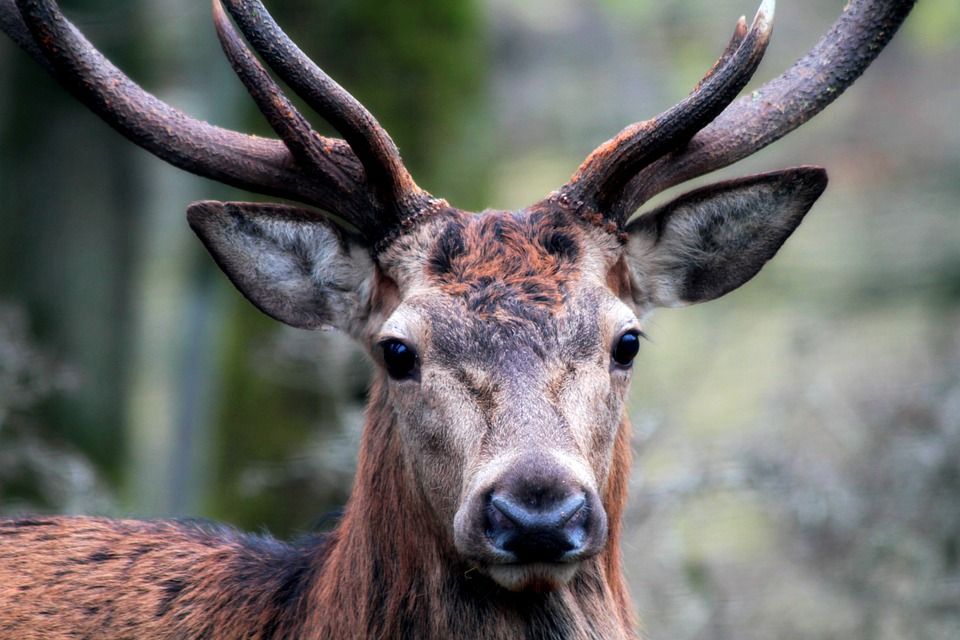
Deer culls should be "carried out on a more concentrated basis" with a "mobile cold-room" nearby to store carcasses, according to the country's largest hunting association.
These were among the recommendations put forward by the National Association of Regional Game Councils (NARGC) during a discussion on deer management in Ireland at Leinster House.
The NARGC, which has nearly 25,000 members spread across approximately 1,000 clubs, highlighted to members of the Oireachtas Joint Committee on Agriculture and Food that there are a number of issues "which continue to hinder effective and long term management of deer".
It sees the "lack of a venison market" within Ireland as one of the reasons why hunters currently receive a "minimal rate of payment for carcasses which are submitted to game meat establishments".
According to NARGC if the venison market "was more prevalent and accessible to hunters, then we believe that game meat establishments would be able to offer a more attractive rate for healthy carcasses".
Deer
The association also highlighted to TDs and senators that deer stalkers "should be supporters in acquiring small scale cold storage units" so that they could store carcasses.
It outlined to committee members that in the UK deer stalkers receive grant aid to purchase these type of units.
One other key issue NARGC detailed was in relation to farm shops in Ireland who are keen to try selling local venison, but cannot do so because of current regulations.
"Our members would be very much against treating venison as a waste product," it told TDs and senators.
The Oireachtas Joint Committee on Agriculture and Food has recently turned its attention to how Ireland's deer population is managed and how the growing deer population is creating problems in some parts of the country.
FBD Insurance told the commiteee that in the last six years it has recorded 466 deer-related claims and the vast majority of those were connected with vehicle damage from deer collisions.
The NARGC believes that in order to safeguard biodiversity, protect commercial forestry, preserve farmland productivity, and maintain ecosystem balance "a structured and collaborative deermanagement plan is required".
It set out a deer management pilot project to the committee which the association believes could address some of the key challenges in relation to an increasing deer population including delivering "measurable TB monitoring results".
According to the NARGC the primary aim of the plan is "to establish accurate baseline population data, monitor deeractivity and impacts, and implement an effective, sustainable culling programme based on the most advance methodologies available".