European farmland bird populations down 32% since 2000

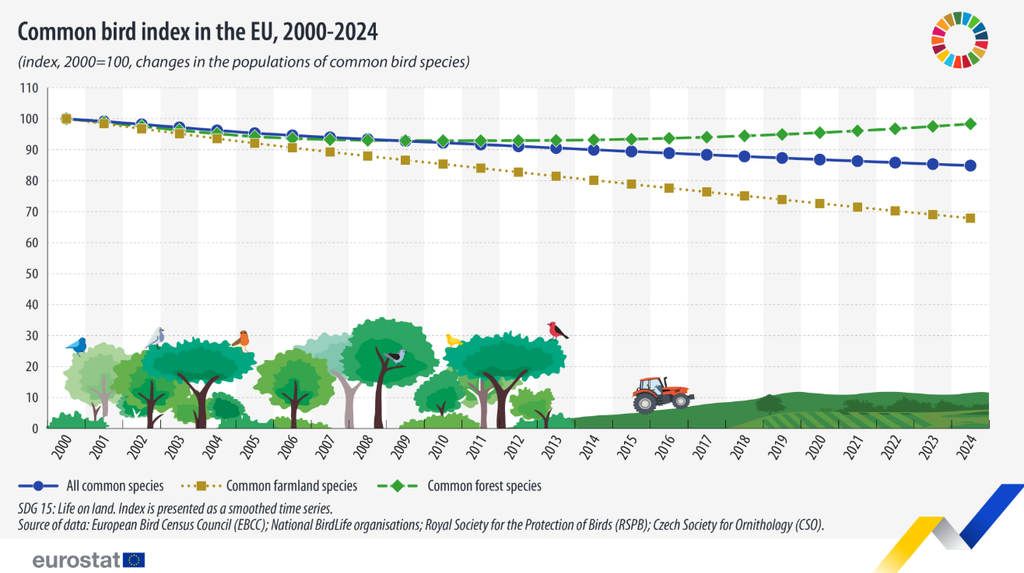
The population of common bird species in the EU decreased by 15.1% over the past quarter century, according to Eurostat.
The statistical office of the EU noted that by 2024, populations of common farmland species had dropped by 32.1% on 2000 figures.
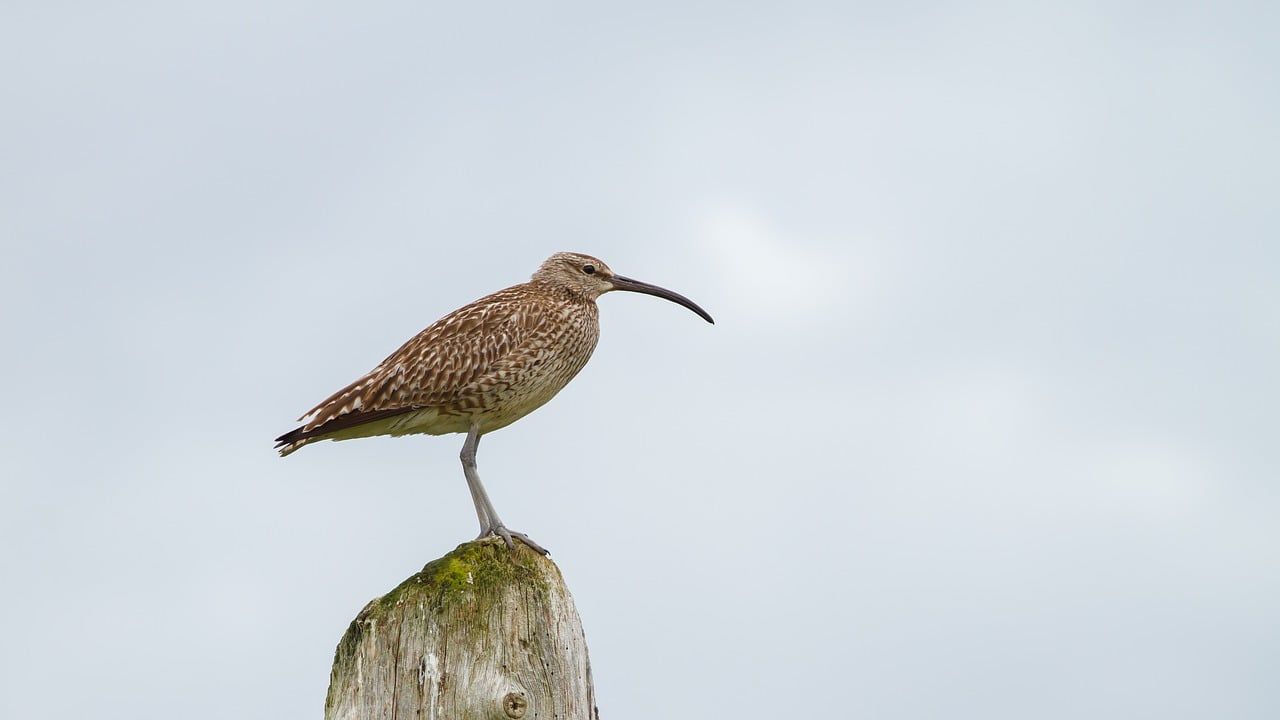
Farmland birds are species that rely on agricultural landscapes, such as pastures, meadows, and hedgerows, for foraging and breeding.
However, the numbers of common forest species has slowly started to recover since 2010, according to Eurostat.
Eurostat regularly examines the EU’s progress towards its sustainable development goals (SDG).
The SDG ‘Life on Land’ (SDG 15) aims to protect, restore and promote sustainable use of terrestrial ecosystems, sustainably manage forests, combat desertification, and halt and reverse land degradation and halt biodiversity loss.
Causes of decline
Eurostat's latest report on the EU’s progress stated: “The use and risk of chemical pesticides has decreased strongly, and the EU is on track to its respective 2030 target.
“Ammonia emissions from agriculture and nitrate concentrations in EU groundwater bodies have also fallen.
“However, agricultural production still has negative effects on nature in the EU, which are visible in the continued and dramatic decline of common farmland birds.”
It also found that the EU “continues to face dramatic long-term declines in common bird and grassland butterfly populations”.
It added: “The designation of new terrestrial protected areas has stagnated, meaning that, at the current pace, the EU will not achieve the target of protecting at least 30% of its land area by 2030.”
Habitats
Farmland bird species depend on agricultural habitats, according to the report.
It said that because birds are relatively visible, they are a good indicator species for monitoring biodiversity.
The study found: “The common farmland bird index measures the relative abundance and diversity of 39 farmland bird species compared with the 2000 base year.
“Between 2008 and 2023, the EU saw dramatic declines of 23.2% for common farmland birds, continuing a trend visible since 1990."
The report also found that between 1990 and 2023, common farmland birds declined by 42.1%.
It said: “Intensive agricultural practices and the use of pesticides have contributed to the loss of wildlife habitats as well as falling populations of insects.
"Insects are an important food source for many farmland birds and provide important ecosystem services such as pollination.”