Grass growth: Has the heatwave thrown a spanner in the works?

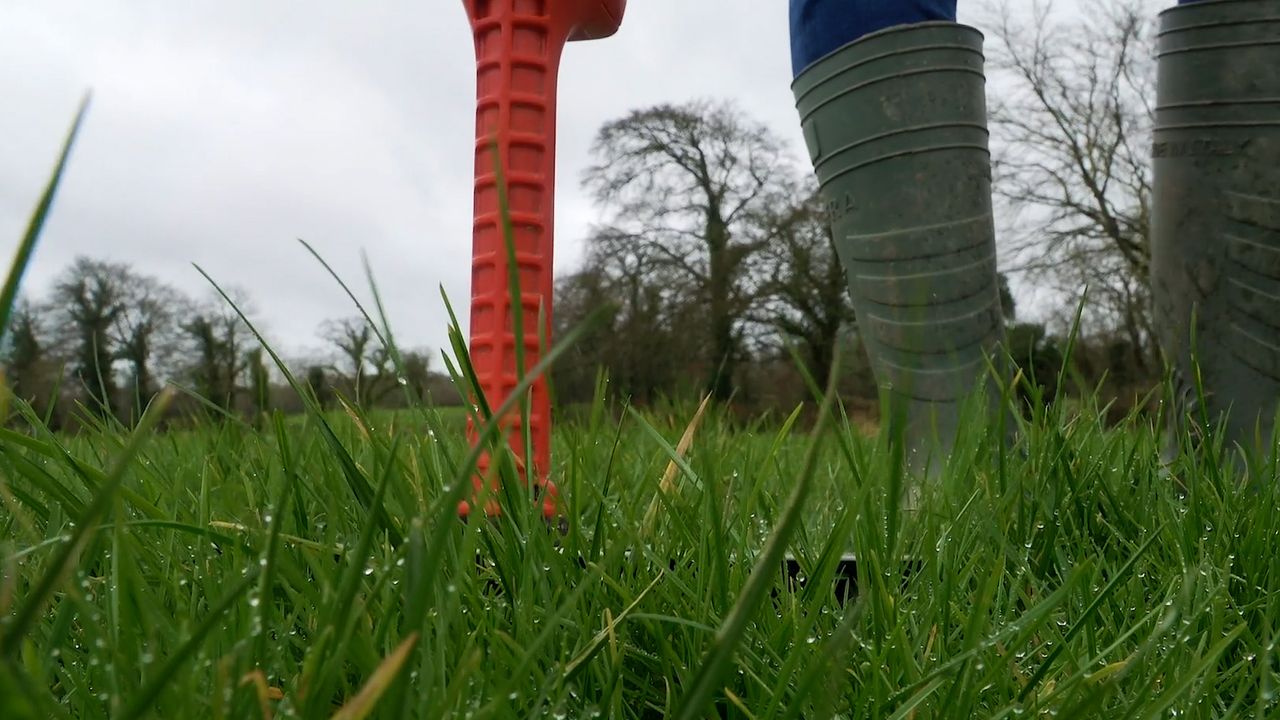
The dry weather has left some of the southern half of the country with moisture deficits, but nobody is complaining while there is a chance to lift silage.
The intense heat has dried everywhere out, but with Met Éireann forecasting rain for the week ahead, there is no fear of droughts or grass growth halting.
Despite that, there is still a number of farmers who are in grass deficits, and dealing with average farm covers (AFC) well below 600kg dry matter (DM)/ha.
On the other hand, a lot of farms are still experiencing a grass surplus with AFCs nearing 800kg DM/ha, indicating that the situation is still varying hugely from farm to farm.
At this time of the year when the weather is swinging like it is, it is easy to go from a deficit to a surplus in a matter of days or vice versa.
Therefore it is crucial that farmers are carrying out grass walks every four to five days, to know what is going on in paddocks mid-rotation and make informed decisions around correcting grass quality, or quickening or slowing up the rotation.
Farms with a surplus need to continue assessing their situation to see if surplus paddocks need to be taken out for bales, or if paddocks need to be topped or pre-mowed to ensure quality three leaf stage grass with a cover of 1,400kg DM/ha are being grazed.
If grass gets too far away from them and cows are entering paddocks with pre-grazing covers over 1,500kg DM/ha, it will be felt in the milk cheque as milk protein levels drop.
Grass growth
Grass growth last week, according to Pasturebase Ireland, was at 70kg DM/ha/day with the average dairy farm sitting at an AFC of 716kg DM/ha or 195kg DM/livestock unit (LU).
The typical diet across the country of those who record data on Pasturbase Ireland is 16kg of grass DM with 3kg of meal, and cows are going into pre-grazing cover 1,531kg DM/ha, which is pushing a bit too high.
It is not unusual for farmers to be losing out on protein content during June as it is when farmers usually find it hard to keep quality ahead of cows.
Many lose out on about 0.2% of milk protein in June every year, which needs to change.
Not only are grazing these covers going to have an impact on milk quality but it will also affect grass recovery and clean outs.
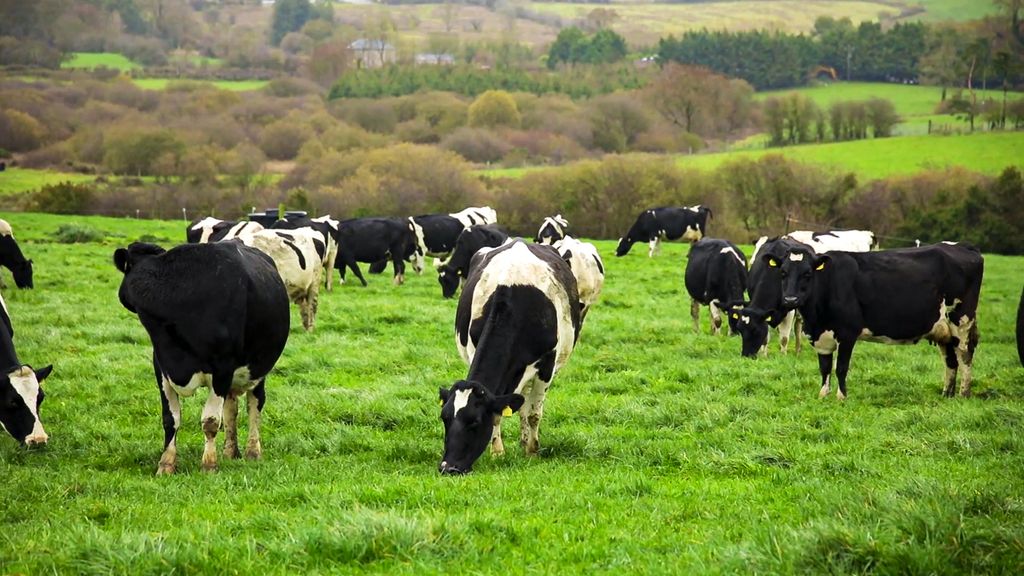
Farmers should ideally be sitting at 160-180kg DM/LU and above this threshold. Strong paddocks should be take out for surplus bales to ensure cows are grazing covers of 1,300-1,400kg DM/ha.
If cover/LU is over 200kg DM/LU, then demand on the farm needs to be increased, which can be done through feeding less meal or taking paddocks out of the rotation for surplus bales of silage.
If the farm is comfortably over the 160kg DM/LU, then farmers need to ensure that cows are given 36-hour allocations if possible to allow for optimum intakes.
Farmers can reduce their demand by allocating more area to the grazing rotation, as maybe a paddock or two after first cut may be available to graze, or maybe up the meal intake for a week or two.
No matter what covers are on farms, farmers should continue getting out a small bit of nitrogen (N) of about 18-20 units (22-25kg N/ha) with a bit of sulphur (S), so ideally protected urea + S product after each grazing.
If clover content in paddocks is over 20%, then farmers should reduce N application or just go out with soiled water at a rate of 2,000gal/ac.