Beef farmers squeezed amid claims of ‘huge price-gouging’
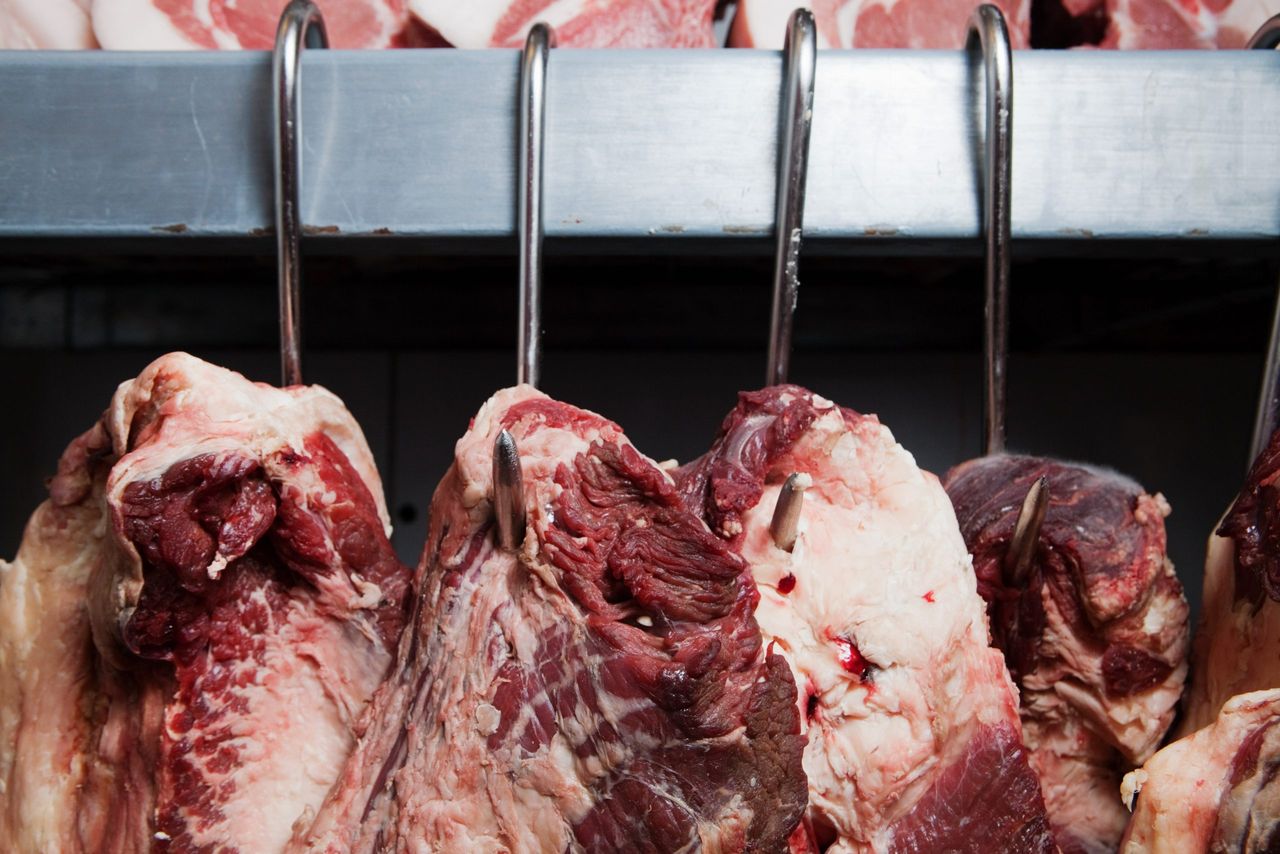
The price that beef farmers are currently getting paid suggests there is "huge price-gouging going on whether we like it or not," according to one senator.
Some farmers are now losing between "€4 to €5.50 a head on prices" according to Senator Paraic Brady and he has warned that this is resulting in "massive losses on farms".
Senator Brady told the Seanad this week that "retailers are paying €13.99 to €25.99 for the same beef the farmers are getting €6.30 or €6.50 for".
He added: "There is a huge price gap here for the factories and there is huge price-gouging going on whether we like it or not.
"The farmer is keeping those cattle for 500 to 600 days on average in most cases.
"The factories have them for six weeks and the retailer has them before he sells them for maybe 21 days. If we are talking about food security we have to get serious about this".
Beef prices
However this week Meat Industry Ireland (MII), the sector association which represents primary beef, pork and lamb processors, has also defended the current beef market.
It has warned that Irish producers are facing mounting pressure as demand weakens across the UK and other key European export markets.
MII told the Oireachtas Joint Committee on Agriculture and Food that the Irish beef sector is export-led, with 90% of production sold in international markets.
It told TDs and senators that the "supply chain is not functioning" in Ireland currently and "volatility is acutely extreme" and it is "very difficult" to predict where the market.
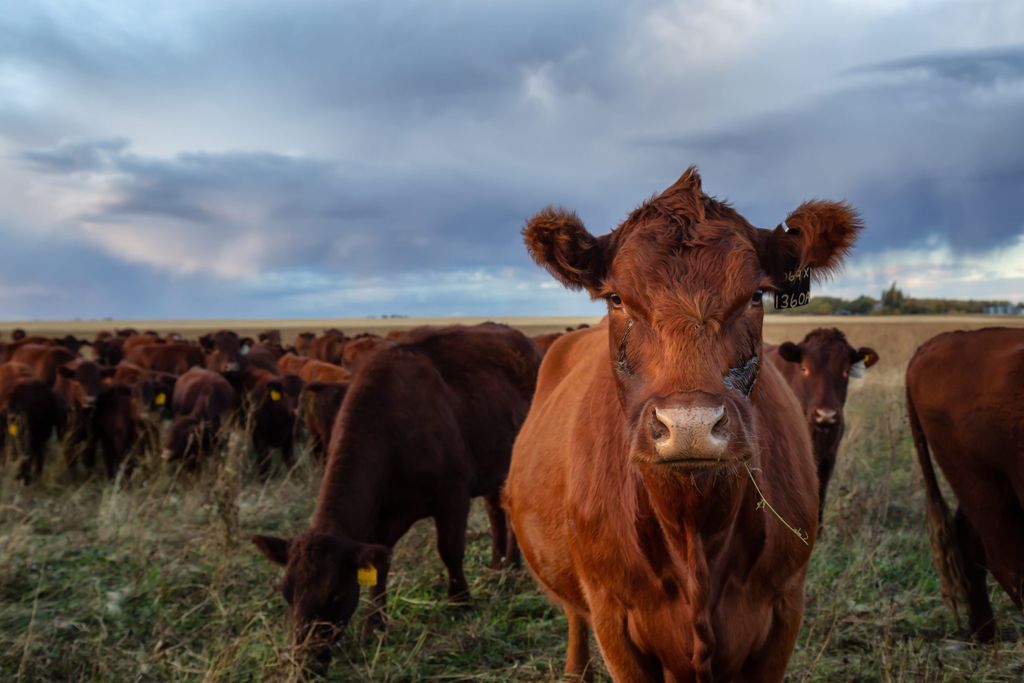
But the Irish Creamery Milk Suppliers' Association (ICMSA) accused MII of putting on “a performance” at the Oireachtas committee meeting and accused them of downplaying the severe financial losses facing beef finishers.
ICMSA Livestock chair, Michael O’Connell, said farmers have been “absolutely cleaned” by the collapse in beef prices, with some suckler-bred bull finishers facing losses of up to €450 per head.
He criticised MII for describing the sharp drop in prices as a “market correction” and rejected claims that farmers had enjoyed “a few great years” and insisted most beef producers have seen only one exceptional year in the past three decades.
O'Connell added: "Farmers cannot continue to operate with volatility like this, particularly of the scale we’ve seen in the past six months.
"This fiction that the farmer is paid what the market returns falls apart as soon as you look at the values of forequarter and hindquarter cuts; hindquarter cut value to the processors had not suffered the same market cut as farmers have.
"A cut of circa 89c per kg suffered by the processors from 2025 to 2026 is a long way away from the €1.20/kg farmers prices have suffered over the same period".
He also questioned how the cut to beef price is reflective of so-called market conditions "if the cut suffered by processors is 30c/kg less than that suffered by farmers?".
"Farmers are expected to purchase cattle to feed for factories, but processors either can’t - or won’t - give any indication as what may happen in the coming three to four months.
"Processors agree a price with a retailer for beef which is tied into a contract but again are either unable – or much more likely, unwilling – to give any indication of price to the farmers from whom they are buying the cattle to fulfil their fixed price contracts," O'Connell added.
He also dismissed a suggestion put forward by MII at the committee that possible State-funded supports could be put in place to support beef farmers as a "shameful admission on the part of the processors".
According to the ICMSA Livestock chair MII has "never spoken to us" and the organisation has had no direct contact with the industry group.