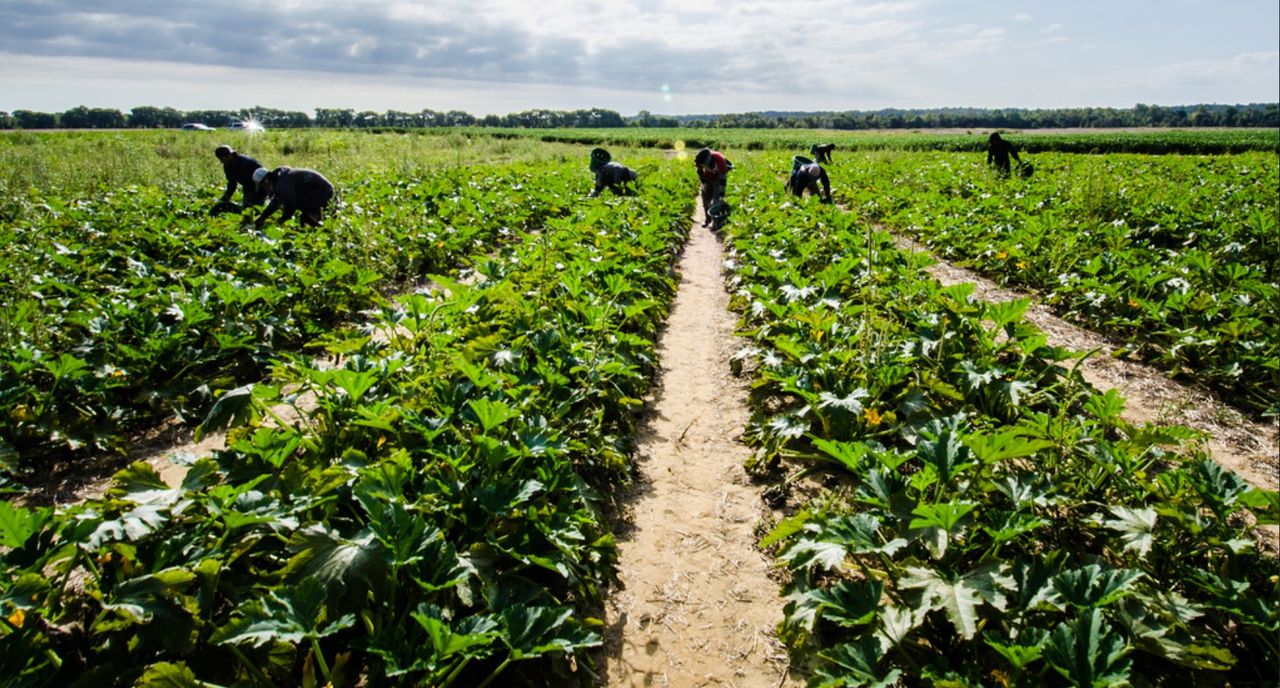
Global grain consumption set to increase - USDA

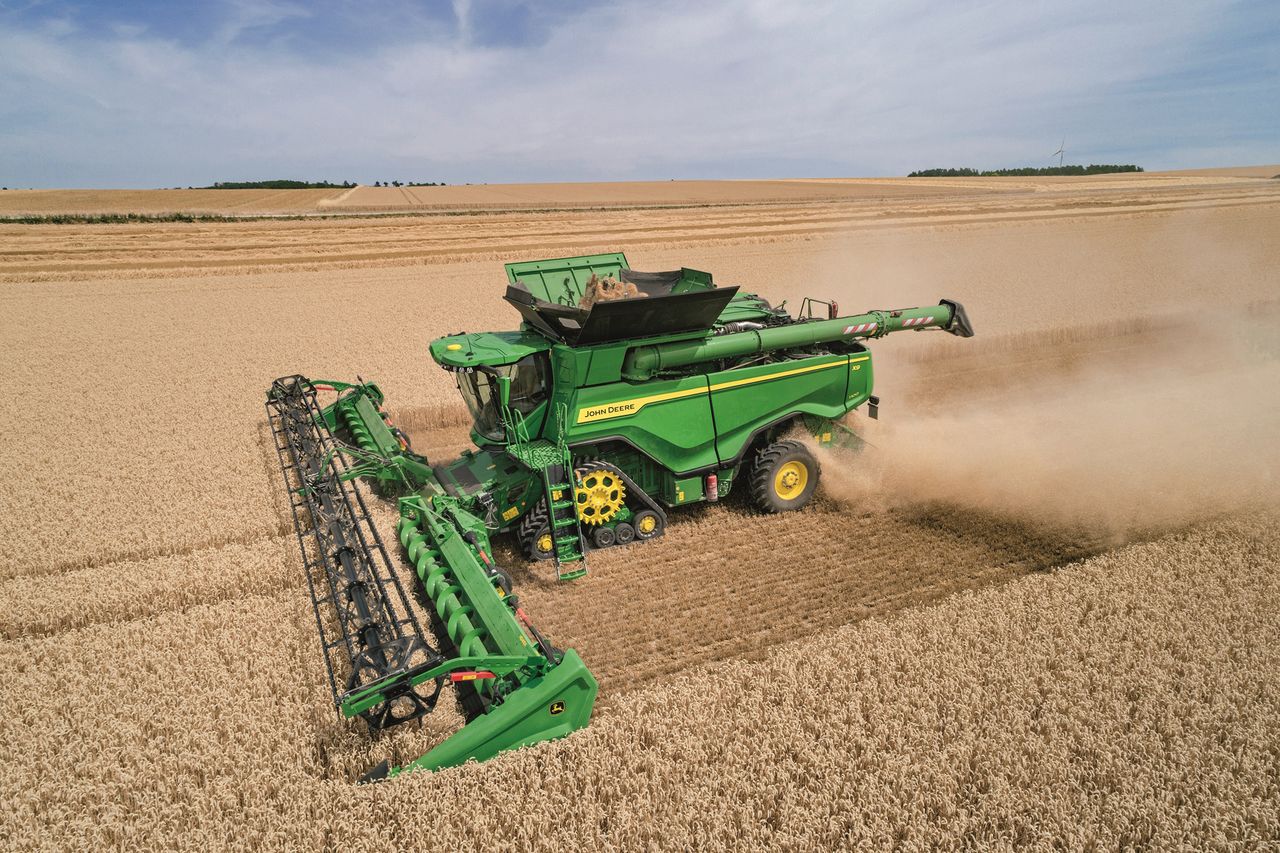
Global grain consumption will grow in 2026/2027, according to the United States Department of Agriculture (USDA).
However, total output from crops is expected to fall during this period.
The latest USDA projections point to global maize production falling in 2026/2027 as larger crops in Brazil and China only partially offset declines for the US and Argentina after prior-year records.
In addition, global trade in maize is forecast down modestly on lower exports from Argentina and the US.
Both feed and residual and food, seed, and industrial (FSI) consumption are expected to grow for 2026/2027, but more modestly than last year.
As consumption exceeds production, global ending stocks are forecast down, driven primarily by lower stocks in China and the US.
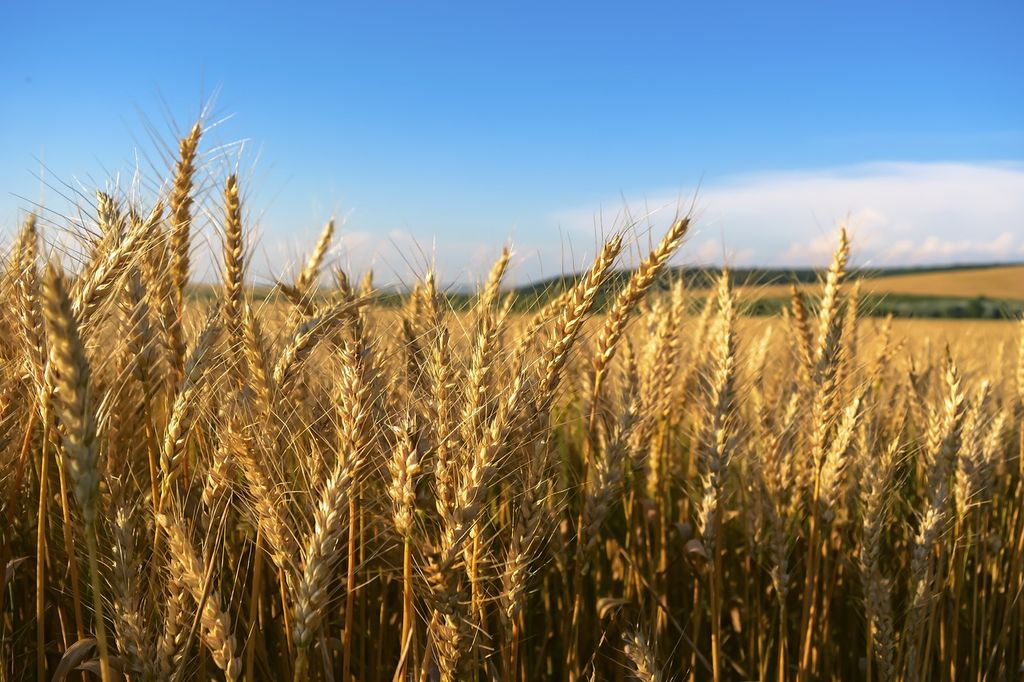
Meanwhile, the global wheat outlook is for declining production after a record 2025/2026. Production is projected lower with reductions for most major exporters but increases for many importers.
With reduced supplies in exporting countries, but ample supplies across North Africa and the Middle East, global trade is forecast to decline.
FSI use continues to grow, especially in India and Bangladesh, but is nearly balanced against reduced feed and residual use, particularly in China, the EU, and Kazakhstan.
Ending stocks of wheat are forecast to decline, with reductions for the US, the EU, China, and Australia, tempered by growing stocks in India.
European Union
The USDA is forecasting that wheat and barley production in the EU will contract in 2026/2027, while maize production will be up modestly.
Significantly, EU production of both wheat and barley in 2025/2026 reached its highest level in over 10 years, boosting feed grain supplies and dampening the need for imported maize.
However, in 2026/2027, maize is expected to play a larger role in the overall feed picture, with total EU grain feeding forecast to weaken as both wheat and barley feed and residual use declines year-on-year.
It is envisaged that exports of these three grains, overall, will be little changed as a drawdown in wheat and barley stocks and marginally higher corn production in South Eastern Europe can support export volumes.
India
India is the largest producer of rice, third largest of wheat, and fourth largest of corn globally.
The country’s government offers high guaranteed producer prices for wheat and rice to procure for food security programmes, supporting growth in consumption but also leading to ample stocks heading into 2026/2027, the USDA said.
With hefty supplies in prospect, the Indian government has recently removed the wheat export ban in place since May 2023.
The country is forecast to become a net exporter, albeit small relative to global trade.
For 2026/2027, India’s maize production and consumption is expected to rise again.
Policy incentives have accelerated growth in ethanol demand, which has encouraged rising corn production and industrial use in recent years.