Horticulture input costs rose by over 76% since 2020 - report

Since 2020, horticulture input costs have risen on average by 76.2% across sub-sectors, according to a new report.
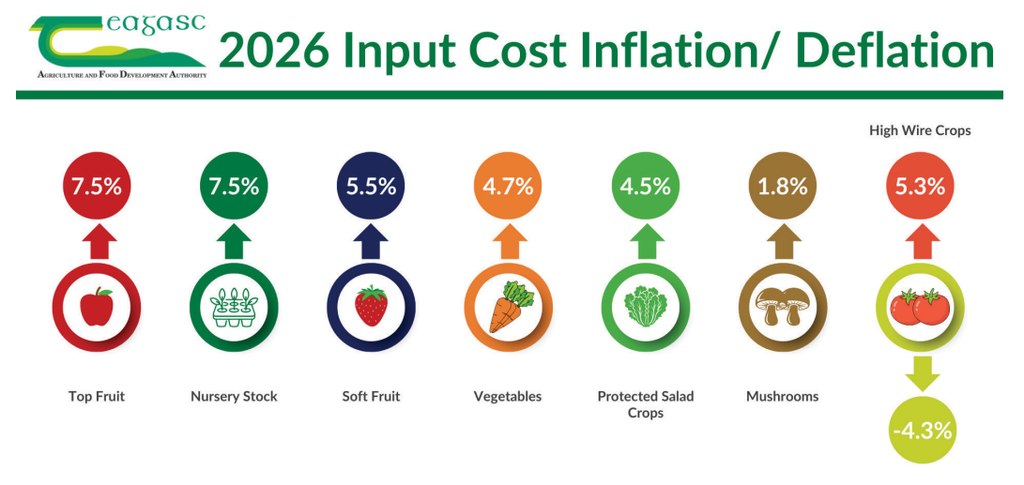
Teagasc has published its Horticulture Crop Input Prices 2026 report, which finds that the cost of producing horticultural crops in Ireland rose on average by 3.9% between January 2025 and January 2026.
The report also found significant longer‑term inflation since 2020, with fresh volatility in energy, packaging, fertiliser and transportation costs since March 2026.
Labour is the single largest input, now representing about 43.4% of total production costs and has increased 3.9 percentage points since 2020.
Wages, employer Pay-Related Social Insurance (PRSI), and pension changes mean effective labour costs rose roughly 6.2% in the reporting period, Teagasc said.
Fertiliser costs averaged a 10.1% increase (January 2025 to January 2026).
Some specialty products, such as controlled‑release fertilisers used in container production, reported up to a 27% increase.
Growing media, plant and seed costs are also rising.
Energy prices
Wholesale UK natural gas prices have increased rapidly from early March 2026.
Average daily gas prices rose 54% from January to early March 2026, sharply increasing costs for heated protected production (high‑wire glasshouse crops) and altering sector outlooks.
High‑wire crops flip from a January-to-January deflation of -4.3% to approximately +5.3% when early March gas rises are applied, Teagasc said.
Additionally, continuing high natural gas costs through March, April and May are significantly impacting grower profitability in the high wire crop sector.
Heavy autumn/winter rainfall (October 2025 to February 2026) increased harvesting, washing and packaging costs for winter root and brassica crops and affected crop quality.
Investment
Michael Gaffney, acting head of Teagasc's horticulture development department, said: “The publication of our 2026 report indicates continuing increases in the cost of producing horticultural products.
"Since 2020 there has been considerable input price inflation in the horticultural sector due to a series of geopolitical and climate related events.
"In order to stabilise input costs particularly around labour, investment in automation and labour-saving technologies is required where available.
"These investments will be significant, and growers require prices that reflect the cost of production and the cost of investments required, as well as long term collaborations to help de-risk these investments."
Gaffney said that in addition to the rise in input cost inflation reported, it must be highlighted that since March 2026, "significant further inflation in input costs are occurring".
He said this will need to be "considered additional to the input prices outlined in the report and shared equitably across the food supply chain to avoid further erosion of the domestic grower base".
Mushroom sector
The mushroom industry is the largest horticultural sector in Ireland. It has a farm gate value of €157.6 million (2025), of which approximately 85% is exported to the UK.
In the mushroom Industry, labour represented 45.6% of total input costs.
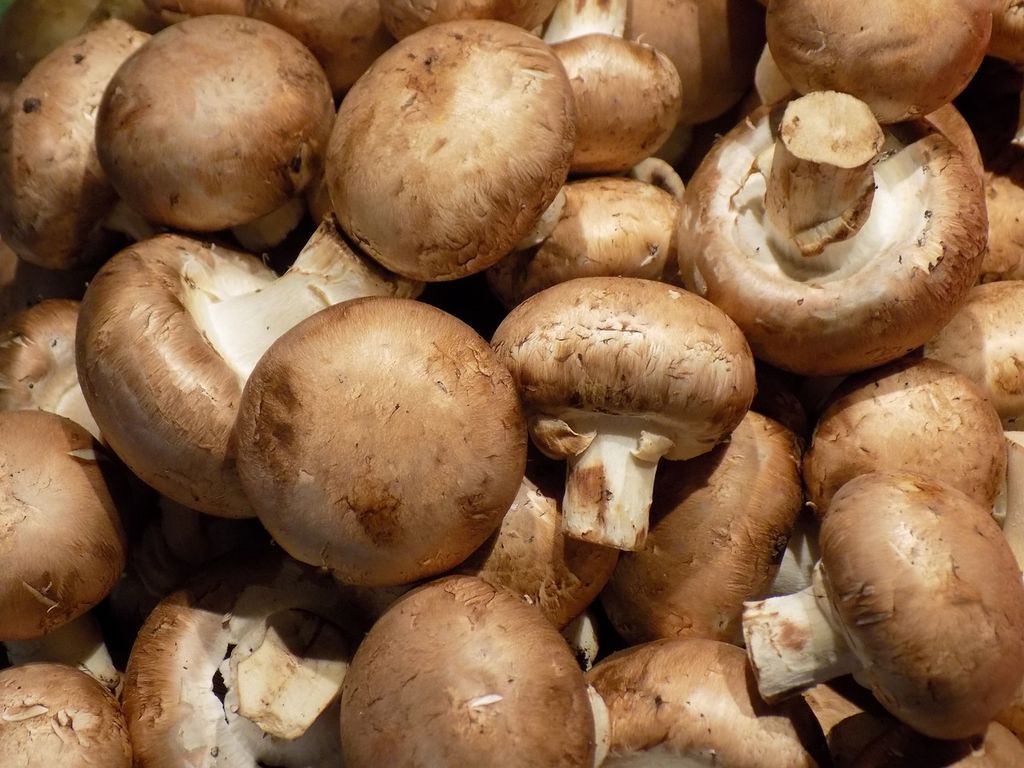
Mushroom substrate comprises of mushroom compost (30.2% of total input costs) and mushroom casing (3.5% of total input costs).
Mushroom packaging is the third-largest input cost for producers, accounting for 7.9% of total input costs.
Overall energy costs fell by 2.4% for growers. Heating and electricity together account for 6.3% of total production costs for mushroom producers.
Soft fruit
The soft fruit industry in Ireland is currently valued at around €50 million.
The largest soft fruit crops grown are strawberries. This crop represents about 90% of the total soft fruit crops grown with an annual harvest of 10,000t of fruit.
Teagasc said it estimates input inflation in 2026 will be 5.5%.
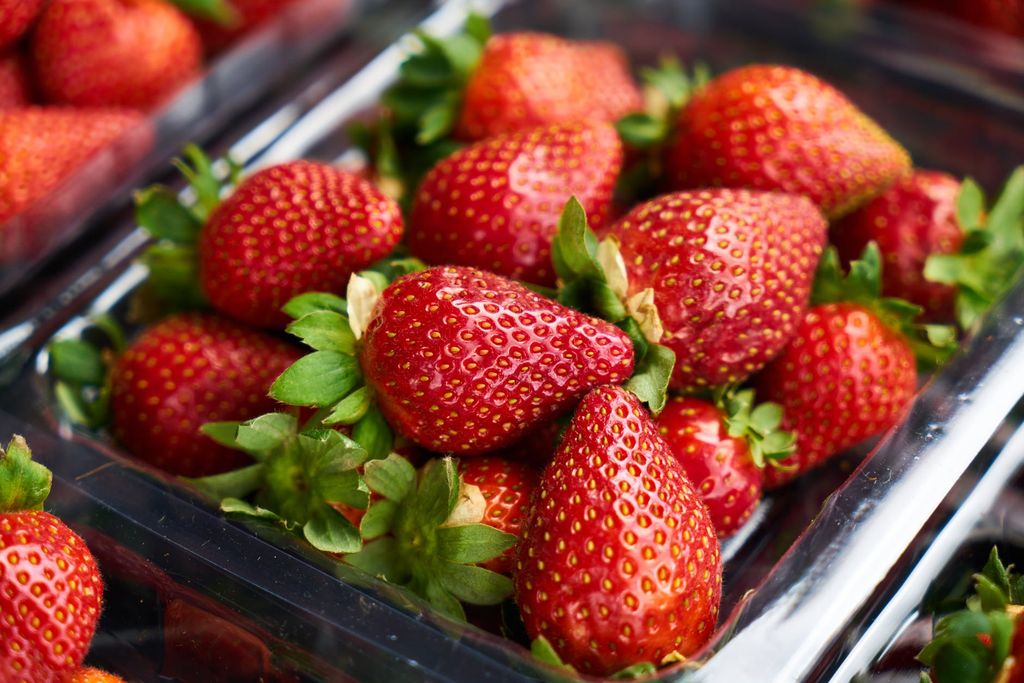
Since 2020, the cumulative increase in inputs to produce soft fruit has increased by 63.1%.
Labour is the largest single production input cost. This accounts for 44.6% of the total production cost on each farm.
The second largest cost for those growers heating glasshouses is energy. It makes up approximately 12.5% of the total costs of production.
Vegetable sector
Input price inflation in the field vegetable sector continued at 4.7% during the period from January 2025 to January 2026, with overall input costs having increased 77% since March 2020.
Labour remains the most significant input in field vegetableproduction, now accounting for an average of 40.2% of overall input costs.
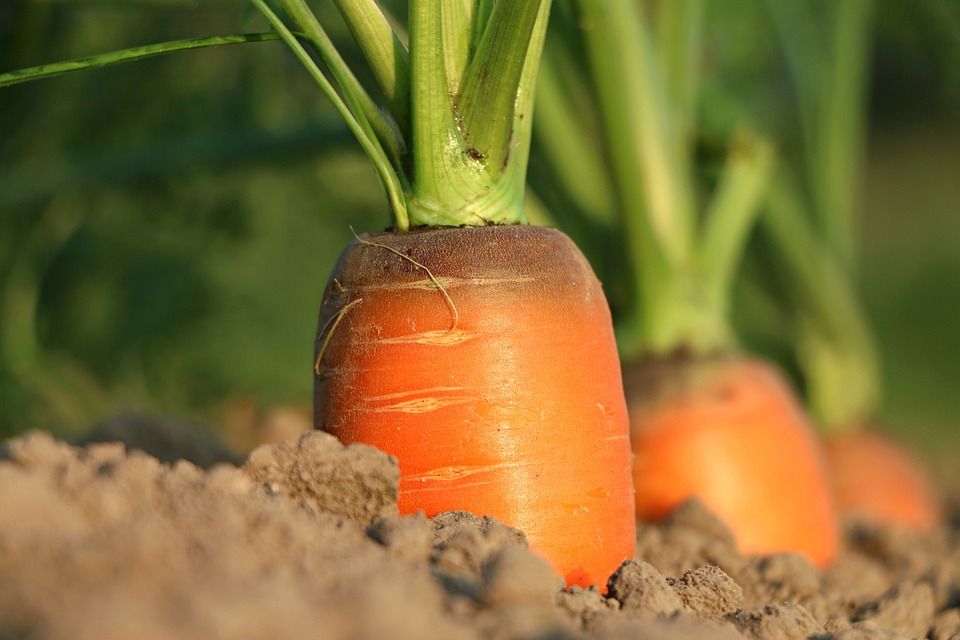
Its relative importance tends to be slightly higher for hand-harvested crops such as broccoli or cauliflower and slightly lowerfor machine-harvested crops such as carrots or parsnips.
Labour costs increased by 6.2% between January 2025 and January 2026 due to rises in the national minimum wage, employers’ PRSI, pension auto-enrolment, and the general employment permit annual wage requirement.
Fertiliser costs for the field vegetable sector increased by an average of 12% during the reporting period and now account for 6.6% of overall production costs.
Protected crops
The protected vegetable sector includes a range of edible crops grown in greenhouse structures where controlled environments are required for crop production.
Input costs vary significantly between crops. Tomatoes, cucumbers and peppers are grown on a high-wire system, in a heated and controlled environment, in soil-less growing media.
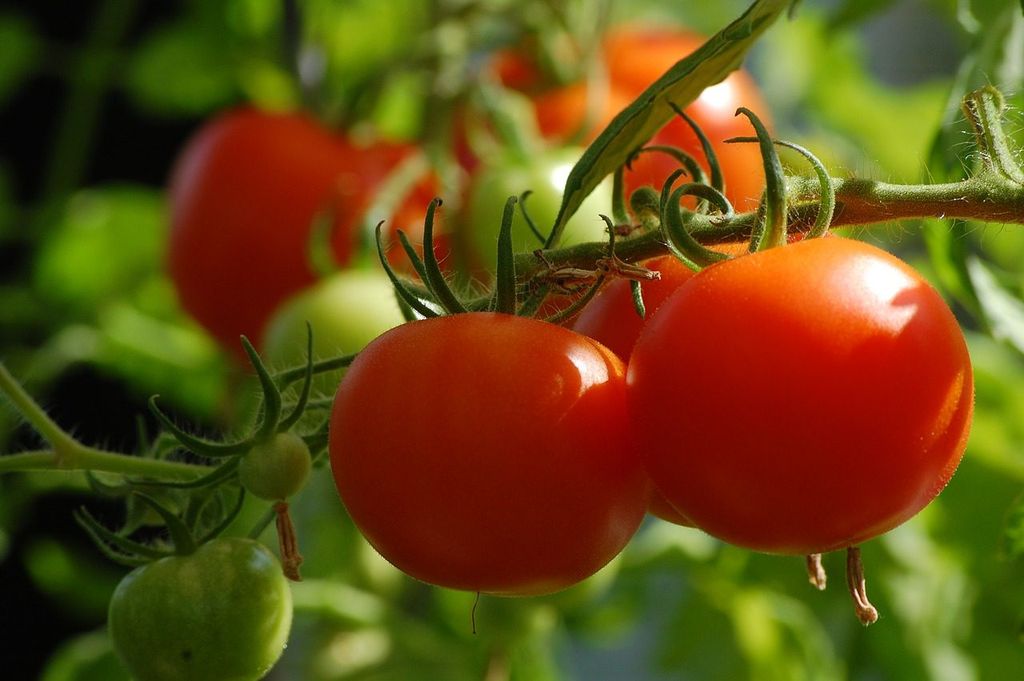
Input price deflation has been recorded in high-wire crops, at a rate of -4.3% since January 2025.
The cumulative increase in input costs in the protected crops sector is 98.6% since 2020.