Reduced BVD restriction threshold from June in NI

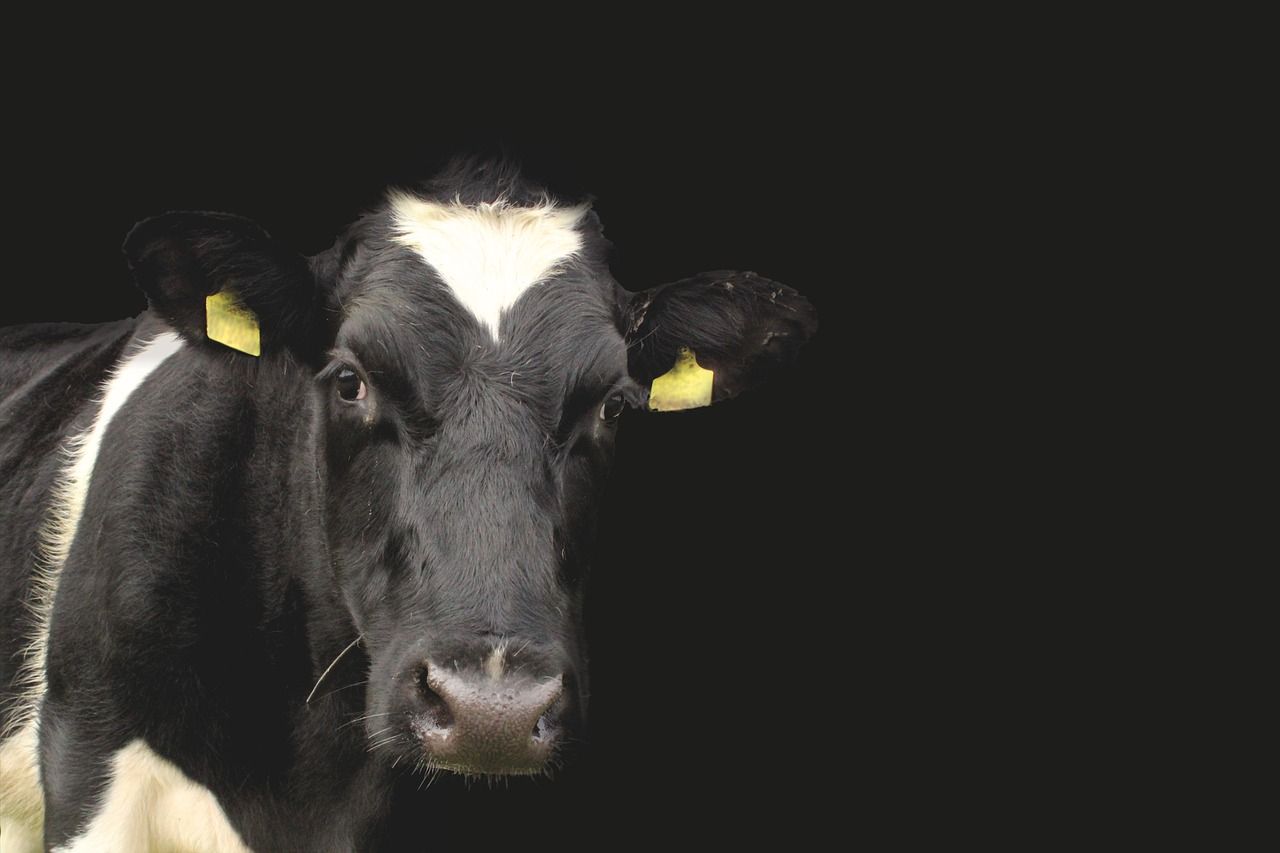
Herd keepers are being reminded that the threshold for applying bovine viral diarrhoea (BVD) herd restrictions is to reduce.
From June 1, 2026, the threshold will reduce to five untested animals (BVDUs) over 30 days old within a herd.
Herd keepers who meet this reduced threshold will receive a warning letter advising that restrictions will be applied unless all untested animals in their herd are tested within 28 days.
The measures are intended to help identify any potentially infectious animals quickly and support herd keepers in protecting their animals and neighbouring herds and to ensure that progress towards BVD eradication is maintained.
Progress
Minister for Agriculture, Environment and Rural Affairs, Andrew Muir said he is "very pleased to see the substantial progress achieved in controlling BVD to date".
"I am also grateful that most farmers recognise the serious impact this disease can have and are taking all possible action to protect their herds, including ensuring that animals are tested promptly," Minister Muir said.
"However, this change from June 1 is necessary to further reduce the number of untested animals in Northern Ireland, which could be silently spreading the disease."
The minister said he appreciates that these stricter measures may result in more herds being restricted.
"However, no herd needs to be restricted due to untested (BVDU status) animals if herd keepers act promptly," he said.
"I would therefore encourage all keepers to review the BVD status of animals in their herd now, and ensure that any BVDU animals are tested as soon as possible.”
Movements
Where herd restrictions are applied, all movements into and out of the herd will be prohibited, except to direct slaughter or for disposal.
Herds associated by DAERA due to common disease risks will also be restricted.
In exceptional circumstances, DAERA may permit certain movements under licence, it said.
The reduced threshold represents the final stage in the phased introduction of BVD herd restrictions, developed in collaboration between DAERA, Animal Health and Welfare Northern Ireland and industry, and first introduced on February 1, 2025.
These measures aim to support the eradication of this serious and highly contagious disease from Northern Ireland’s cattle population.